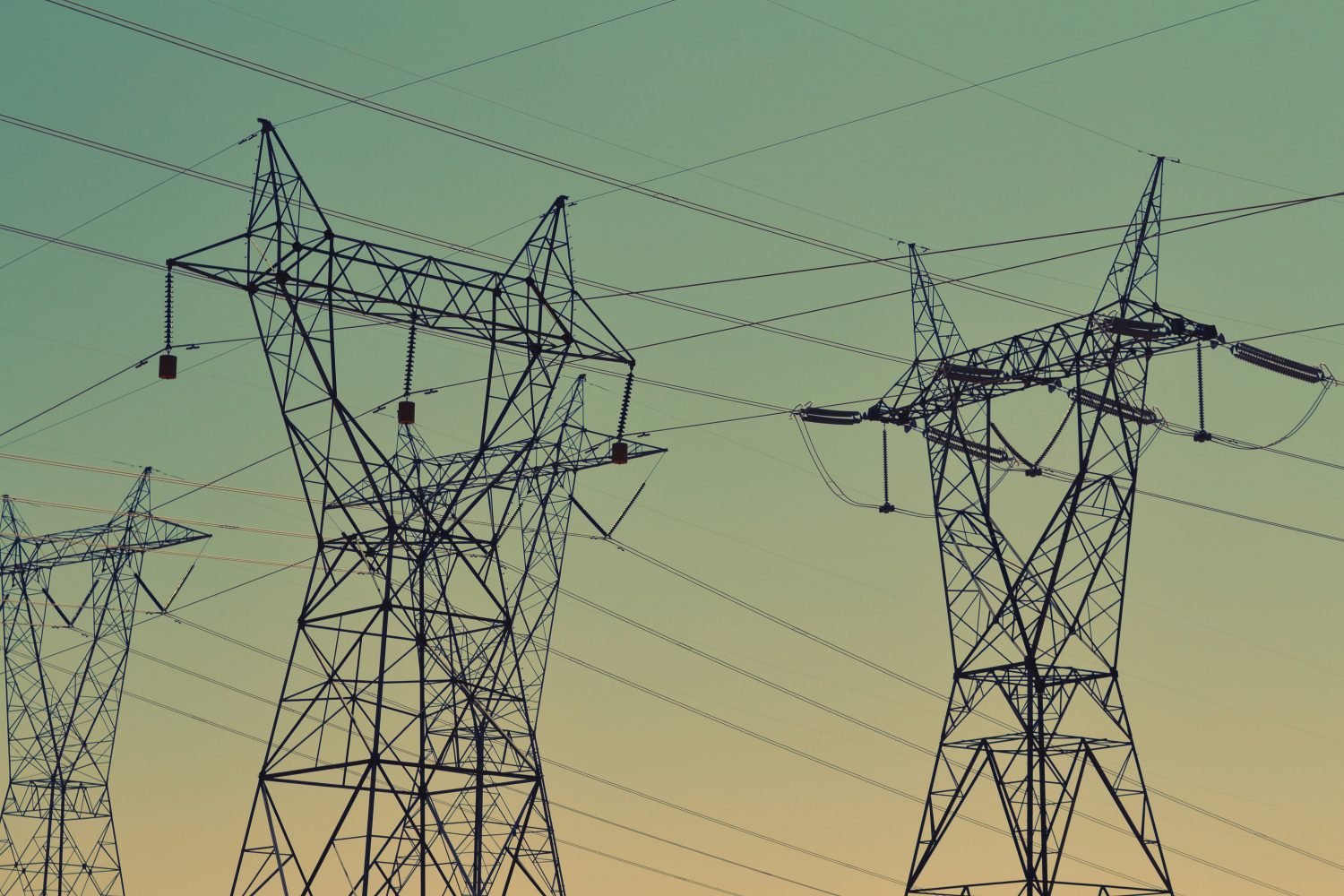
The European Union is advancing measures to lower electricity bills through a combination of tax adjustments and structural market reforms. These initiatives aim to protect households and businesses from the extreme price volatility seen during recent energy crises by decoupling electricity prices from fossil fuel fluctuations and implementing targeted tax relief.
As energy markets across the continent continue to stabilize following the supply shocks of recent years, European policymakers are shifting their focus from emergency subsidies to long-term structural changes. The goal is to ensure that the transition to renewable energy does not result in disproportionately high costs for the end consumer. Central to this strategy are discussions regarding Value Added Tax (VAT) applications on electricity and the broader implementation of the EU Electricity Market Design reform.
How are EU electricity bill tax changes being implemented?
While the European Union sets overarching energy policies, the specific application of taxes, such as Value Added Tax (VAT), remains largely a matter of national competence for individual member states. However, the European Commission has actively encouraged nations to use fiscal tools to mitigate the impact of high energy prices on vulnerable populations.
In many EU member states, governments have already implemented reduced VAT rates on electricity to provide immediate relief to households. For instance, during the peak of the energy crisis, several countries moved to the lowest possible VAT categories for essential services. The debate now moves toward whether these lower rates should be made permanent or if they should be replaced by more targeted tax credits. The challenge for finance ministers lies in balancing the need for consumer protection with the necessity of maintaining tax revenues required to fund the green transition.
Beyond VAT, other levies—such as green certificates or grid usage fees—are also under scrutiny. Policymakers are examining whether these non-tax components of an electricity bill can be restructured to ensure that the costs of maintaining a modern, decarbonized grid are distributed more equitably, rather than falling heavily on residential consumers.
The role of the Electricity Market Design reform
Tax changes alone cannot address the underlying cause of price spikes: the historical link between electricity prices and the cost of natural gas. To solve this, the European Union has moved forward with a major reform of its electricity market design. This reform is intended to make electricity prices more predictable and less susceptible to the volatility of fossil fuel markets.

According to official European Commission communications, the reform introduces several key mechanisms designed to stabilize costs:
- Two-way Contracts for Difference (CfDs): These allow for price stabilization by capping the prices producers receive during periods of high market prices, with the excess being used to compensate consumers during periods of low prices.
- Long-term Power Purchase Agreements (PPAs): By encouraging businesses to sign long-term contracts with renewable energy producers, the EU aims to provide price certainty for heavy industry.
- Decoupling mechanisms: The structural goal is to ensure that the high cost of gas does not automatically drive up the price of electricity produced from wind, solar, or nuclear sources.
By integrating these market-based tools with potential tax adjustments, the EU is attempting a two-pronged approach: using fiscal policy to provide immediate relief and market reform to ensure long-term affordability.
Who will benefit from these energy cost relief measures?
The impact of these changes will be felt differently across various sectors of the European economy. The primary beneficiaries are expected to be residential consumers and small-to-medium enterprises (SMEs), which often lack the hedging capabilities of large industrial players.
For households, particularly those in lower-income brackets, the combination of reduced VAT and more stable market prices could significantly lower monthly expenditures. Energy poverty remains a critical concern for the EU, and these policy shifts are being designed with social cohesion in mind. By reducing the “sticker shock” of monthly bills, the EU hopes to maintain public support for the broader climate goals that require significant changes in consumption patterns.
For the industrial sector, the benefits are more nuanced. While large-scale manufacturers may already use sophisticated financial instruments to manage energy risk, the reform’s emphasis on long-term PPAs will provide a more stable environment for smaller industrial players. This stability is crucial for maintaining European competitiveness as the continent shifts away from cheap, imported fossil fuels toward a more localized, renewable-based energy system.
Challenges to achieving lower electricity prices
Despite the clear policy objectives, several hurdles remain. The first is the tension between national fiscal autonomy and EU-wide energy objectives. While the Commission can recommend tax structures, it cannot mandate them, leading to a fragmented landscape where a consumer in one member state may face significantly different costs than a consumer in a neighboring country.
Secondly, the massive capital investment required for the energy transition presents a financial paradox. Building out the necessary wind, solar, and storage infrastructure requires significant funding. There is an ongoing debate regarding whether tax reliefs on electricity bills might inadvertently slow down the collection of funds needed for these very investments. If tax revenues from energy are too low, governments may find themselves with fewer resources to subsidize the transition to a carbon-neutral grid.
Finally, the technical complexity of the Electricity Market Design reform cannot be understated. Transitioning from a market driven by marginal gas pricing to one driven by long-term contracts and CfDs requires a total overhaul of how energy is traded, monitored, and regulated across borders.
Summary of Energy Policy Shifts
| Policy Area | Primary Mechanism | Intended Outcome |
|---|---|---|
| Fiscal Policy | VAT reductions & levy adjustments | Immediate relief for households |
| Market Structure | Electricity Market Design Reform | Long-term price stability |
| Price Decoupling | Two-way Contracts for Difference | Reduced sensitivity to gas prices |
As the European Union continues to refine these policies, the focus will likely shift toward the implementation phase, where the effectiveness of these reforms will be tested by real-world market conditions and the ongoing pace of the energy transition.
The next major checkpoint for these developments will be the subsequent monitoring reports from the European Commission regarding the implementation of the Electricity Market Design reform, which will provide data on how these changes are affecting consumer prices in real-time.
What do you think about these proposed changes? Will tax relief be enough to combat energy volatility? Share your thoughts in the comments below and share this article with your network.