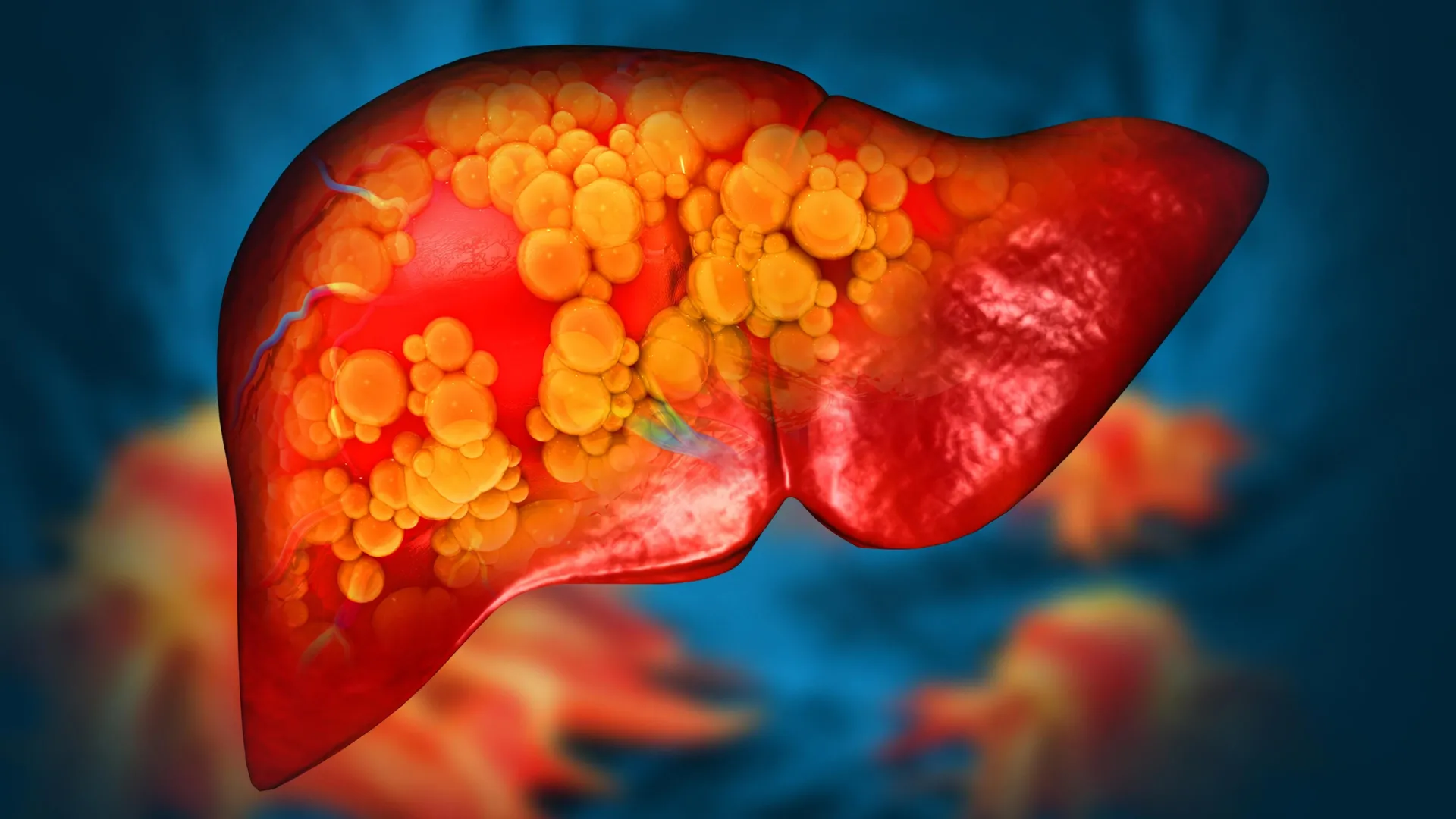
Metabolic dysfunction-associated steatohepatitis, or MASH—formerly known as non-alcoholic steatohepatitis (NASH)—represents a growing global health crisis. As a physician, I have seen the silent progression of this condition in clinics across Berlin: patients often remain asymptomatic until significant liver damage, fibrosis, or cirrhosis has already taken hold. Recent research emerging from the University of California San Diego has shed light on a potential new therapeutic pathway, focusing on an experimental compound known as ION224, which aims to address the underlying drivers of liver inflammation and lipid accumulation.
The quest to find an effective treatment for MASH has been long and fraught with challenges, largely because the disease is deeply intertwined with complex metabolic processes. While lifestyle modifications, including weight loss and dietary changes, remain the cornerstone of management, they are not always sufficient to reverse the damage caused by chronic liver inflammation. The emergence of pharmacological interventions like ION224 represents a significant shift in medical strategy, moving toward targeted molecular therapies that address the liver’s internal environment rather than relying solely on systemic weight reduction.
According to the latest data from the National Institute of Diabetes and Digestive and Kidney Diseases, millions of individuals are affected by various stages of fatty liver disease. As the condition progresses, the accumulation of fat triggers a cascade of inflammation and cellular injury. The experimental approach currently under study involves inhibiting specific enzymes that facilitate this pathological fat buildup. By interrupting these biological signals, researchers hope to halt—and perhaps even reverse—the progression of fibrosis in patients who have struggled to achieve clinical improvement through conventional means alone.
Understanding the Mechanism Behind ION224
At the heart of the recent scientific discourse is the role of diacylglycerol acyltransferase 2 (DGAT2). This enzyme is a critical player in the synthesis of triglycerides, the primary form of fat stored in the liver. In the context of metabolic dysfunction, the overactivity of DGAT2 contributes significantly to the formation of lipid droplets within hepatocytes, the primary functional cells of the liver. The experimental drug ION224 is an antisense oligonucleotide designed to reduce the expression of DGAT2, effectively slowing the production of fat within the liver tissue.
The significance of this mechanism cannot be overstated. By targeting the enzyme directly, the therapy aims to decouple liver health from systemic metabolic markers like body mass index (BMI). In early clinical assessments, researchers observed that patients experienced a reduction in liver fat content and associated markers of inflammation, even in cases where significant weight loss was not achieved. This is a vital development, as it offers a potential lifeline to patients whose metabolic profiles make traditional weight-loss-based interventions notoriously hard to sustain.
It is important to maintain perspective: while the preliminary data is promising, ION224 is currently undergoing rigorous evaluation to establish its safety and efficacy profile. The transition from laboratory success to clinical standard-of-care involves multiple phases of testing, as outlined by the U.S. Food and Drug Administration. As health professionals, we look for sustained, long-term data regarding liver histology—the gold standard for measuring improvements in fibrosis—before declaring any new drug a definitive breakthrough.
The Global Burden of Metabolic Liver Disease
The shift in nomenclature from NASH to MASH reflects a broader medical consensus that the disease is a manifestation of systemic metabolic dysfunction. This is not merely a liver condition; it is often part of a metabolic syndrome that includes insulin resistance, obesity, and hypertension. Addressing MASH requires a multidisciplinary approach, often involving hepatologists, endocrinologists, and primary care physicians. According to the World Health Organization, the rise in non-communicable diseases globally necessitates more effective pharmacological tools to manage the long-term complications of metabolic health.
For the millions living with MASH, the current landscape of care is evolving rapidly. Beyond experimental antisense oligonucleotides, the medical community is closely watching the results of various clinical trials targeting different pathways, including thyroid hormone receptor agonists and GLP-1 receptor agonists. The goal is to provide a comprehensive toolkit for clinicians. Each patient presents a unique metabolic profile, and the future of hepatology lies in precision medicine—selecting the right therapeutic intervention based on the specific drivers of an individual’s liver damage.
Key Considerations for Patients and Families
- Early Detection: Routine blood work and, when indicated, non-invasive imaging like FibroScan can help identify liver fat before it progresses to advanced fibrosis.
- Metabolic Management: Managing underlying conditions such as Type 2 diabetes and dyslipidemia remains essential for preventing further liver injury.
- Clinical Trial Participation: For patients with advanced MASH, clinical trials may provide access to novel therapies that are not yet available to the general public.
- Evidence-Based Lifestyle Changes: While new drugs are on the horizon, the benefits of a Mediterranean-style diet and regular physical activity remain scientifically indisputable for overall metabolic health.
What Comes Next in Clinical Research
As we look toward the coming months, the focus remains on the continued evaluation of ION224 and similar compounds. The next critical checkpoint for the medical community will be the publication of peer-reviewed data from larger, phase-two or phase-three clinical trials. These studies are essential to determine the long-term impact of enzyme inhibition on patient outcomes, including the prevention of liver-related mortality and the need for liver transplantation.
Transparency in clinical reporting is vital. As these trials progress, I encourage our readers to follow updates through official registries such as ClinicalTrials.gov, which provide the most accurate and up-to-date information regarding active research and eligibility for participation. The path from the laboratory to the pharmacy is long, but the progress made in understanding the molecular basis of MASH is a testament to the dedication of the global research community.
We are currently in an era of unprecedented innovation in hepatology. While we await further confirmation regarding the efficacy of new treatments, the focus must remain on early intervention and evidence-based care. If you or a loved one are concerned about liver health, the most important step is to consult with a specialist who can provide a tailored assessment based on the latest clinical guidelines. Have you or someone you know been navigating a diagnosis of MASH? I invite you to share your thoughts and questions in the comments section below, as we continue to track these important developments in medical science.