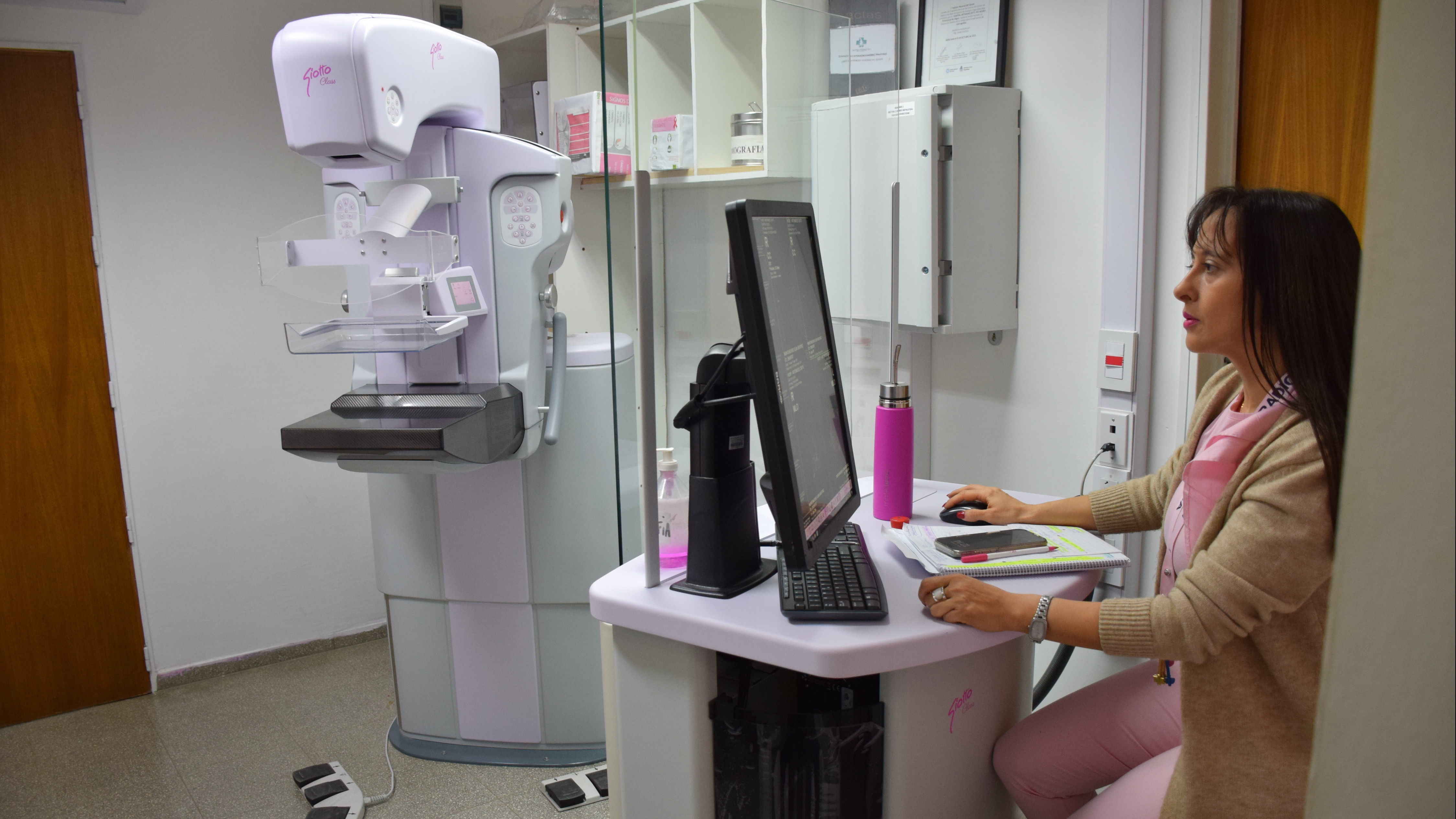
Recent public health data from Argentina indicates a measurable shift in breast cancer mortality rates within the province of Río Negro. While breast cancer has historically remained a leading cause of mortality among the female population in the region, health authorities and oncological registries have observed a decline in deaths, attributed largely to increased screening accessibility and advancements in early detection protocols. According to the National Cancer Institute (INC) of Argentina, consistent adherence to mammography programs remains the primary factor in improving survival outcomes across provincial health systems.
In Río Negro, the provincial health ministry has focused on decentralizing diagnostic services to reach rural and underserved populations. As a physician, I have followed how regional health policies often determine the success of oncology outcomes. The integration of mobile mammography units and the strengthening of primary care networks have been essential in transitioning from late-stage diagnosis to early intervention. Data from the Ministry of Health of Argentina suggests that when breast cancer is detected in its initial stages, the five-year survival rate exceeds 90%, underscoring the critical nature of these local health initiatives.
The Impact of Early Detection in Río Negro
Breast cancer remains the most common malignancy among women in Argentina, and Río Negro has historically faced challenges regarding geographical barriers to care. Historically, the disease has ranked among the top three causes of cancer-related deaths for women in the province. However, the recent downward trend in mortality is linked to the “Programa Nacional de Control de Cáncer de Mama,” which mandates standardized screening for women between the ages of 50 and 70, or earlier for those with high-risk genetic profiles. Verification from the Pan American Health Organization confirms that countries in the Southern Cone that prioritize organized screening programs see a direct correlation with reduced mortality rates.


The strategy in Río Negro involves not just the availability of imaging technology, but the coordination of patient follow-up. When a screening mammogram indicates an abnormality, the provincial system is designed to expedite biopsies and specialized consultations. This “pathway of care” is a standard recommendation by the World Health Organization to ensure that patients do not experience delays that could allow tumor progression. By shortening the interval between detection and treatment, the provincial health authorities have effectively reduced the number of cases that advance to incurable stages.
Public Health Strategies and Patient Access
The reduction in deaths is not merely a clinical achievement but a result of sustained public health investment. Río Negro has implemented educational campaigns designed to demystify the screening process and address cultural barriers that may prevent women from seeking preventative care. According to reports from the Argentine Ministry of Health’s digital repository, the expansion of human resources—specifically trained radiologists and oncologists—has been a priority for the Patagonian region. This investment ensures that the diagnostic equipment available in cities like Viedma, Cipolletti, and San Carlos de Bariloche is utilized to its full potential.
Patients in the region are encouraged to consult their local “Centros de Salud” to verify their eligibility for free screening programs. The health system provides these services as part of the universal coverage mandate, ensuring that financial status does not preclude access to life-saving technology. For those seeking specific guidance on screening schedules, the official website of the National Cancer Institute provides updated protocols and a directory of authorized diagnostic centers throughout the country.
Future Directions in Oncological Care
While the decline in mortality is a positive development, health officials in Río Negro continue to emphasize the need for sustained vigilance. The next phase of the provincial strategy involves the implementation of digital health records to better track patient outcomes and ensure that follow-up care is not interrupted. Monitoring these metrics is essential for the ongoing refinement of oncology policy. As we look ahead, the integration of new screening technologies and the continued support for community-based health workers will likely be the determining factors in maintaining this downward trajectory in mortality rates.

The provincial health ministry is expected to release its updated annual report on cancer statistics in the coming months, which will provide further clarity on the effectiveness of recent interventions. Readers interested in the latest updates regarding regional health programs or those looking to schedule a screening should monitor the official communications from the Ministry of Health of the Province of Río Negro. Community engagement and timely medical consultations remain the strongest tools we have to combat this disease. Please feel free to share your thoughts or questions in the comments section below.