
Breast cancer remains one of the most significant public health challenges globally, impacting the lives of millions of individuals each year. As a physician, I frequently encounter patients navigating the complexities of diagnosis, treatment pathways and the emotional landscape that follows a breast cancer diagnosis. Understanding the early indicators of the disease, the surgical options available, and the nuances of breast reconstruction is essential for anyone seeking to make informed decisions about their long-term health, and wellbeing.
The journey from a clinical finding to a comprehensive treatment plan is often multifaceted. Whether addressing early-stage disease or navigating more advanced clinical scenarios, the focus remains on evidence-based care. The term “breast cancer” encompasses a range of malignancies that originate in the breast tissue, most commonly within the milk ducts or mammary glands. According to the World Health Organization (WHO), breast cancer is the most common cancer in women globally, emphasizing the necessity of awareness and consistent screening programs.
Recognizing Early Indicators and Clinical Signs
Early detection is the cornerstone of successful outcomes in oncology. While many individuals associate breast cancer primarily with a palpable lump, the clinical presentation can be far more diverse. It is critical to monitor for any persistent changes in breast tissue, such as unexplained thickening, shifts in the shape or size of the breast, or changes to the skin, including dimpling or persistent redness. Nipple changes, such as inversion or discharge, also warrant immediate professional medical evaluation.

many of these symptoms can be caused by benign conditions, but they should never be dismissed without a clinical assessment. Diagnostic protocols typically involve a combination of imaging—such as mammography, ultrasound, or MRI—and a tissue biopsy to confirm a diagnosis and determine the molecular profile of the tumor. As noted by the National Cancer Institute (NCI), understanding the specific type and stage of the cancer is vital, as these factors dictate the therapeutic approach, which may include surgery, radiation therapy, chemotherapy, or endocrine (hormone) therapy.
Surgical Interventions: Mastectomy and Conservation
When surgery is indicated, the primary objective is the effective removal of malignant tissue while preserving the patient’s quality of life. Surgical options are broadly categorized into breast-conserving surgery (often referred to as a lumpectomy), where only the tumor and a margin of surrounding healthy tissue are removed, and mastectomy, which involves the removal of all breast tissue. The choice between these procedures depends on tumor size, location, and the patient’s individual health profile.

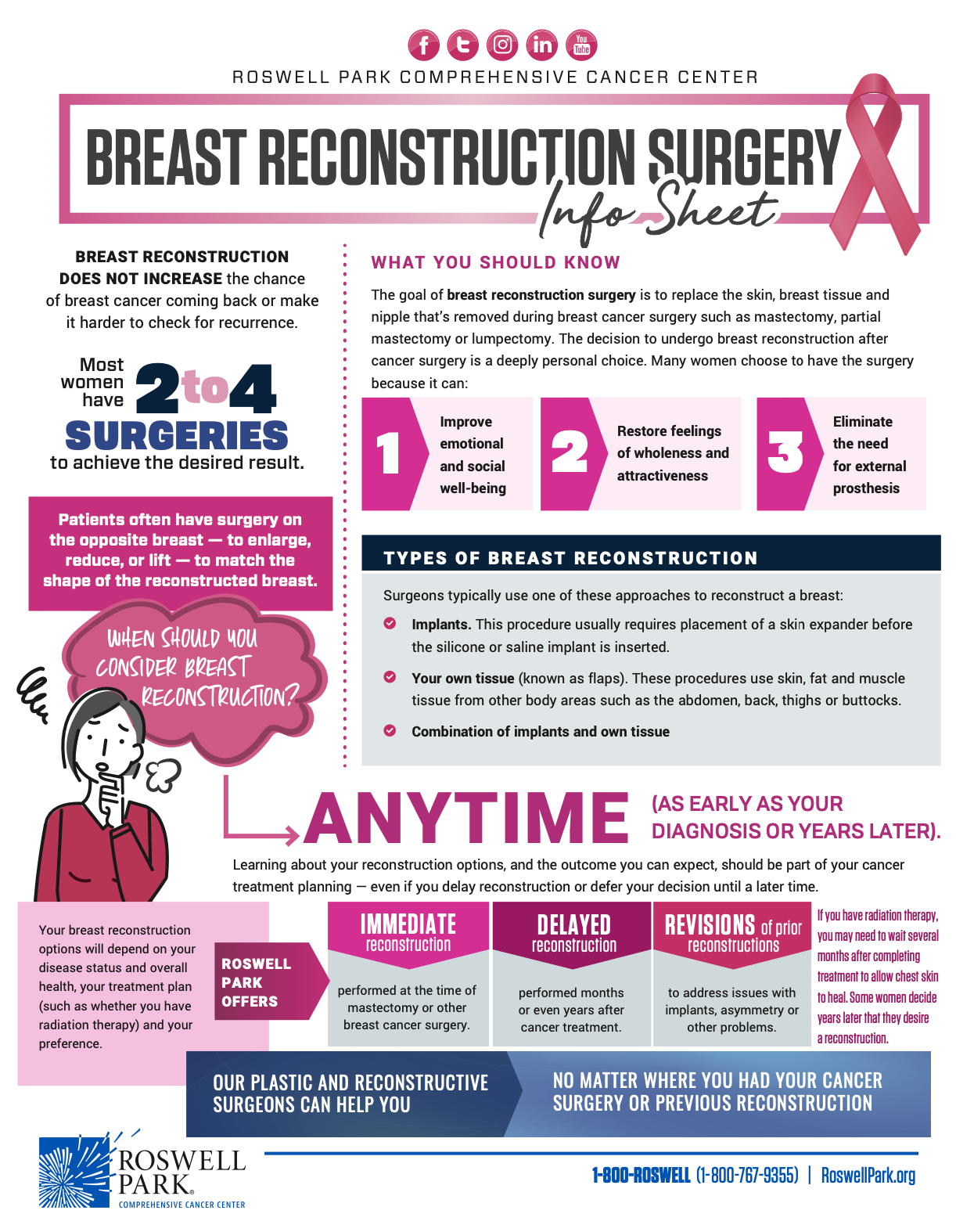
For many, the prospect of a mastectomy brings concerns regarding body image and emotional recovery. This represents where breast reconstruction plays a pivotal role. Reconstruction is not merely a cosmetic endeavor; it is a reconstructive procedure that can significantly aid in the psychological recovery process by restoring the physical form. Patients should discuss the timing of this procedure with their surgical team, as it can be performed immediately following a mastectomy or delayed until after other treatments, such as radiation, have been completed.
Advances in Breast Reconstruction Techniques
Modern breast reconstruction has evolved to offer highly personalized outcomes. Techniques generally fall into two categories: implant-based reconstruction and autologous tissue reconstruction (often called “flap” surgery). In implant-based procedures, a surgeon utilizes silicone or saline implants to restore the breast mound. In contrast, flap surgery involves transferring the patient’s own tissue—often from the abdomen, back, or thighs—to create a natural-looking breast shape.
The selection of a technique is highly individualized, based on the patient’s anatomy, history of prior surgeries, and overall health status. The American Society of Plastic Surgeons (ASPS) highlights that while these procedures are highly effective, they require a detailed discussion regarding the risks, recovery timelines, and expected results. For those considering surgery, it is essential to consult with a board-certified plastic surgeon who specializes in oncologic reconstruction to evaluate which approach aligns best with their specific needs.
Navigating Treatment Decisions and Global Care
The complexity of breast cancer treatment often leads patients to seek second opinions or explore various care environments. Medical travel for reconstructive surgery has become an area of interest for many patients seeking shorter wait times or specialized expertise. However, choosing to pursue treatment abroad requires rigorous due diligence. Patients must verify the credentials of the surgical team and the accreditation of the medical facility, as standards for post-operative care and follow-up can vary significantly by region.
insurance coverage is a critical consideration. Many standard travel insurance policies do not cover complications arising from elective or specialized surgeries performed abroad. Patients should investigate whether their home health insurance covers procedures performed in international facilities or if they require specialized medical travel insurance to mitigate the risks of unforeseen complications. As recommended by health policy experts, ensuring a robust plan for long-term, local follow-up care is just as important as the surgery itself.
Key Takeaways for Patients
- Early Detection Saves Lives: Regular screening and immediate consultation for any breast changes are the most effective ways to improve survival outcomes.
- Personalized Treatment Plans: Breast cancer is not a monolith; treatment must be tailored to the specific biological characteristics of the tumor and the patient’s preferences.
- Reconstruction is Part of Care: Breast reconstruction is an integral part of the treatment journey, aimed at restoring both physical symmetry and patient confidence.
- Due Diligence is Essential: Whether choosing a local hospital or considering medical travel, verify surgeon credentials, facility accreditation, and insurance coverage thoroughly.
As we continue to advance in our understanding of breast cancer, the emphasis remains on a holistic approach that integrates clinical excellence with patient-centered support. If you or a loved one are navigating these decisions, remember that you are your own best advocate. Always prepare a list of questions for your clinical team, ranging from the specifics of the surgical technique to the expected recovery phases and long-term surveillance protocols.
For those seeking updated guidelines or support resources, the American Cancer Society provides comprehensive, verified information on current standards of care. We welcome your thoughts and experiences in the comments section below, as sharing knowledge can be a powerful tool for those currently on this path. Please remember to share this article with those who may find this information useful for their own health journeys.
Keep reading