
Bregenz has emerged as the Austrian state capital with the greenest city center, according to a recent satellite-based analysis conducted by Greenpeace. The environmental organization’s ranking, released on Friday, May 8, 2026, evaluates the proportion of green spaces within the cores of the nation’s provincial capitals to highlight the disparity in urban nature and its impact on climate resilience.
The study utilized satellite data to compare the percentage of green areas across various city centers, revealing a significant range in urban vegetation. Bregenz led the rankings with a green space share of 38.3%, positioning it as the most nature-rich center among the state capitals. This finding comes amid growing concerns regarding the “urban heat island” effect, where dense construction and lack of vegetation trap heat in city cores.
Greenpeace has used these findings to call for a comprehensive “greening offensive” across Austria. The NGO argues that increasing urban nature is a critical countermeasure to the escalating climate crisis, as greenery serves as a natural defense against rising temperatures in densely populated areas.
Ranking the Greenest City Centers in Austria
The detailed evaluation by Greenpeace highlighted stark regional differences in how Austrian state capitals manage their urban cores. While Bregenz claimed the top spot, other cities followed with varying degrees of green coverage. The analysis identified a clear tier of “winners” who have maintained or integrated higher levels of vegetation within their central districts.
Following Bregenz, Linz and Graz were identified as high performers. Linz recorded a green space share of 33.4%, while Graz followed closely with 32.2%. These three cities represent the most successful examples of urban greening among the provincial capitals according to the satellite data.
The middle of the ranking featured a cluster of cities with green space percentages hovering around the 30% mark. These included:
- Salzburg: 29.7%
- Klagenfurt: 29.1%
- Eisenstadt: 28.0%
At the opposite end of the spectrum, the analysis found that Innsbruck, St. Pölten, and Vienna occupy the lowest positions in the ranking, indicating a higher prevalence of sealed surfaces and a lower proportion of natural green spaces in their respective centers.
The Impact of Sealed Surfaces and Urban Heat
A central theme of the Greenpeace report is the danger posed by “sealed surfaces”—areas covered by asphalt, concrete, or other impermeable materials. The organization warned that these surfaces massively amplify heat within city centers, contributing to oppressive temperatures during summer heatwaves.
Melanie Ebner, a soil protection expert at Greenpeace, emphasized that integrating nature into the urban fabric is not merely an aesthetic choice but a public health necessity. “More nature in the city is the best medicine against the effects of the climate crisis,” Ebner stated. She explained that large trees, green parks, and flowering meadows function as “natural air conditioners” that can noticeably lower temperatures on hot days.
The goal, according to the NGO, is to transform “gray deserts”—areas dominated by concrete and stone—into “green oases.” This transition is intended to provide humans with relief from oppressive heat while simultaneously restoring essential retreat sites for native wildlife that have been displaced by urban expansion.
A Call for a National Greening Offensive
In light of the data, Greenpeace is advocating for a systemic approach to urban planning. Rather than isolated patches of greenery, the organization is calling for green spaces to be developed as a “networked system” throughout entire urban areas. This strategic connectivity would allow for better airflow and create biological corridors for urban fauna.
The “greening offensive” demanded by the NGO seeks to prioritize the removal of unnecessary sealed surfaces and the planting of native vegetation to mitigate the risks associated with the climate crisis. By increasing the percentage of permeable, green surfaces, cities can better manage stormwater and reduce the ambient temperature of the city core.
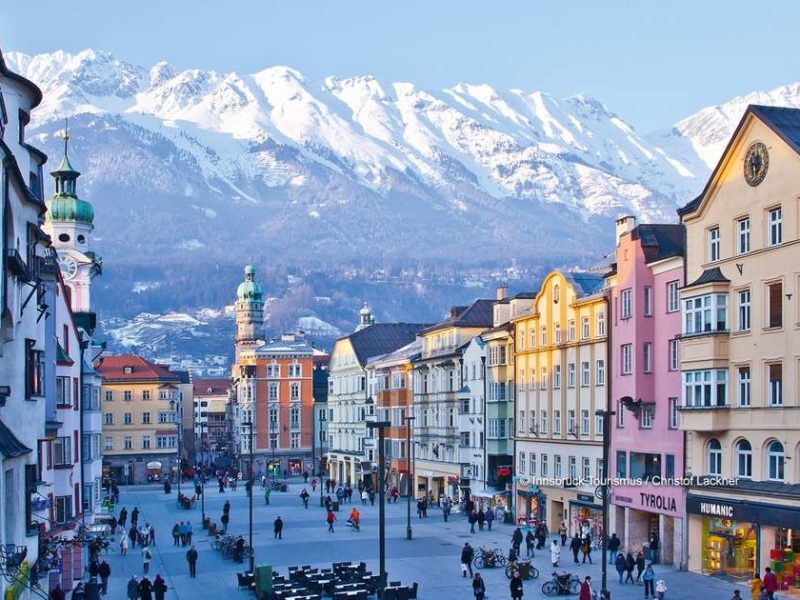
As urban centers continue to face the challenges of extreme weather, the contrast between the high green share in Bregenz and the lower figures in cities like Vienna and Innsbruck serves as a benchmark for what is possible in urban environmental management.
The next phase of this environmental push involves ongoing pressure from advocacy groups on municipal governments to integrate these satellite-verified findings into their official urban development plans. No specific government deadline for these changes has been announced, but the release of this data provides a factual basis for upcoming city planning debates.
Do you believe your city center has enough green space? Share your thoughts in the comments below or share this article to join the conversation on urban climate resilience.
Keep reading