The final version of a AAA title is often a polished mirror, reflecting only the choices that survived a grueling development cycle. For players of Resident Evil Requiem, that mirror has recently been cracked. A wave of datamined images and leaks has revealed a treasure trove of Resident Evil Requiem cut content, suggesting that the game we played is only one version of a much more ambitious, and perhaps more traditional, vision.
These discoveries, which have sent the community into a frenzy, highlight a significant shift in how Capcom approached the game’s economy and world-building. From the removal of a fan-favorite character archetype to the scrapping of complex investigation mechanics, the leaked data provides a rare glimpse into the iterative process of modern game design, where “better” often means “more streamlined.”
The evidence surfaced primarily through Japanese Resident Evil streamer umesooooo, with the findings gaining further traction and validation via noted industry leaker Dusk Golem. Together, these leaks paint a picture of a game that originally leaned more heavily into the emergent gameplay and character-driven interactions seen in previous entries, before pivoting toward the more menu-centric experience found in the retail release.
The Lost Merchant and the Shift to Digital Menus
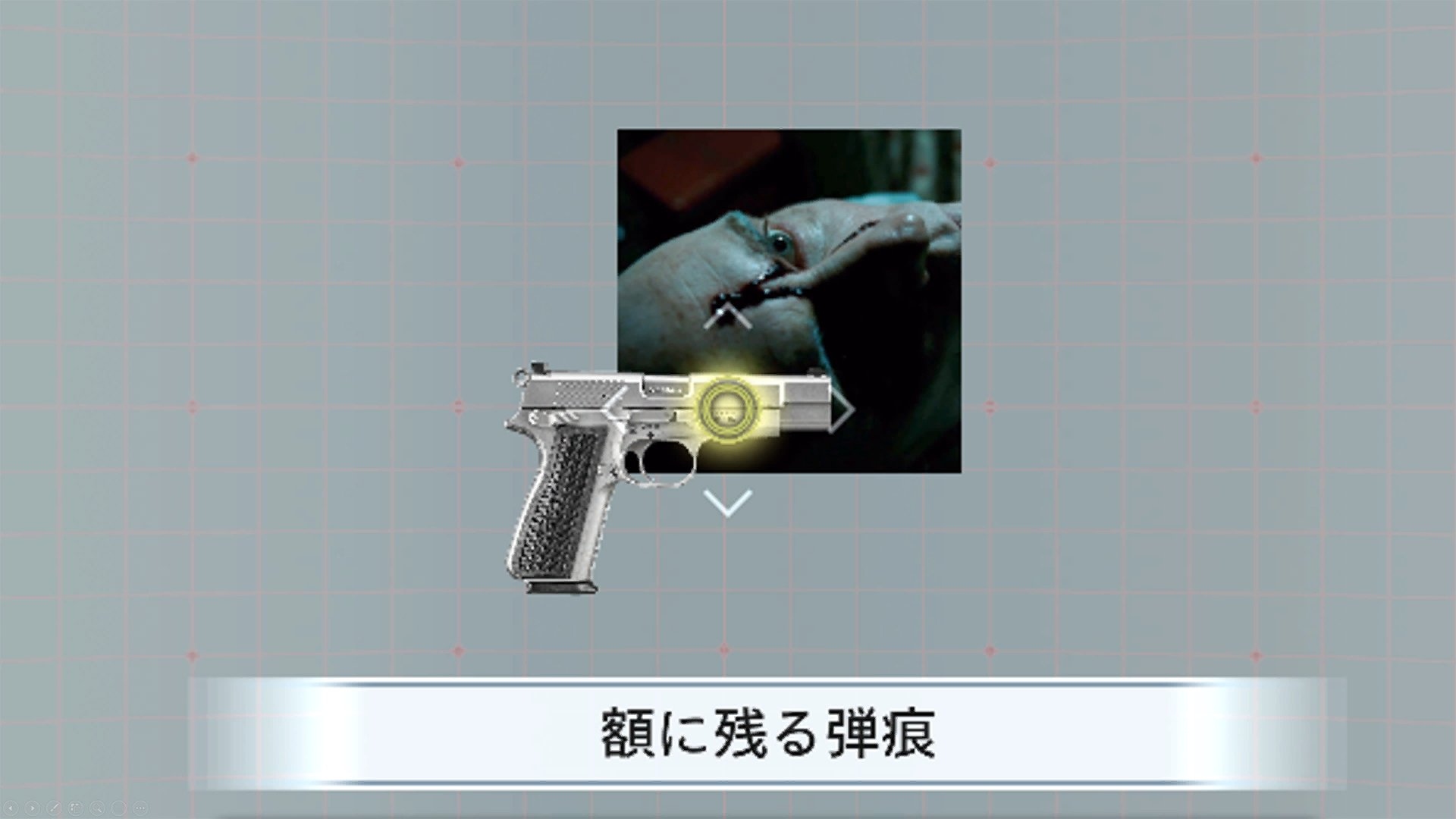
Perhaps the most poignant discovery for longtime fans is the evidence of a scrapped weapon merchant. In the final build of Resident Evil Requiem, weapon upgrades and purchases are handled through a sterile in-game touchscreen menu. However, datamined images reveal a “shadowy figure” lurking in the background of early builds—a clear nod to the iconic merchant from Resident Evil 4.
The leaked images include a dedicated weapon upgrade screen featuring an early iteration of the Requiem revolver. This suggests that the act of upgrading gear was originally intended to be a social, atmospheric interaction rather than a transactional UI event. The transition from a physical NPC to a touchscreen menu represents a broader trend in software design: the prioritization of efficiency and speed over immersive environmental storytelling.
For many players, this change removes a layer of tension and personality. The merchant in the Resident Evil universe often serves as a beacon of safety and a source of cryptic lore. By replacing this character with a digital interface, the development team opted for a more seamless flow, though at the cost of a specific brand of atmospheric charm that defines the series.
Scrapped Side Missions and Investigation Mechanics
Beyond the economy, the datamine reveals a substantial amount of abandoned gameplay loops. A leaked list of side missions suggests that Resident Evil Requiem was intended to have a structure similar to the Resident Evil 4 Remake, offering players optional objectives to earn credits. In the final game, credits are primarily obtained through combat, simplifying the progression system but reducing the incentive to explore the environment deeply.

The scrapped mission list included several specific tasks that would have expanded the game’s narrative breadth:
- Inspecting a warehouse located in the early stages of Raccoon City.
- Searching for and obtaining specific fuses to power machinery.
- An investigation mechanic centered around identifying a murder weapon.
These details indicate that the game originally featured a more robust “detective” element. The inclusion of a murder weapon investigation suggests a narrative depth that leaned further into the horror-mystery genre, requiring players to actively piece together clues rather than following a linear path of progression. The removal of these elements suggests a decision to tighten the pacing, ensuring that players remained focused on the primary survival-horror experience without the “distraction” of optional questing.
Narrative Evolution: Cut Chapters and Character Synergies
The scale of the cuts extends beyond individual mechanics to entire segments of the story. The game’s director recently acknowledged that a complete early chapter was removed as the narrative evolved, a common occurrence in high-budget development where story beats are often found to be redundant or contradictory to the final arc.
Further leaks from Dusk Golem reveal specific character-based features that didn’t make the cut. One such feature was a map system that allowed players to track the positions of both Leon and Grace simultaneously, which would have added a strategic layer to their separate journeys. There was a scrapped tutorial focused on repairing a broken motorcycle, suggesting a more tactile approach to environmental interaction.

Interestingly, the leaks also mention that Leon was originally designed to use the “blood collector,” a tool that was ultimately reserved for other purposes or characters in the final version. These small, systemic changes indicate a rigorous balancing process where the developers carefully curated each character’s unique utility to avoid overlap and maintain a specific gameplay rhythm.
The discovery of these elements is typical of the “digital archaeology” performed by the gaming community. By digging into the game’s files, players are not just finding “missing” content, but are mapping the evolution of the developers’ intent. Every scrapped mission and deleted character is a footprint of a decision made to refine the user experience.
The Impact of Iterative Development in Modern Gaming
From a technical perspective, the gap between the leaked “early” version and the final product illustrates the challenges of scope creep in modern software development. Implementing a fully voiced, animated merchant and a suite of side missions requires significant resources—not just in terms of coding, but in QA testing and narrative integration.
When a game’s story evolves, as the director noted regarding the cut chapter, it often creates a domino effect. A side mission in a warehouse might no longer make sense if the warehouse is moved or if the character’s motivation changes. In such cases, the most stable path forward is often to excise the content entirely rather than attempt to rewrite it to fit a new context.
For the global audience of Resident Evil, these leaks serve as a reminder that the games they love are the result of a process of elimination. The final product is not necessarily the “complete” vision, but the most cohesive one. While it is tempting to mourn the loss of a classic merchant or a deeper investigation system, these cuts are often what prevent a game from feeling bloated or unfocused.
As Capcom continues to iterate on the Resident Evil franchise, the community will undoubtedly keep a close eye on the files of future releases. The appetite for “lost” content is high, not because players believe the game is unfinished, but because they are fascinated by the creative struggle that happens behind the scenes of a global blockbuster.
There are currently no official statements from Capcom regarding the possibility of adding this cut content back into the game via future updates or DLC. However, the company has a history of listening to community feedback for its “Gold Edition” or “Director’s Cut” releases, leaving a small window of hope for those wishing to see the merchant return.
What do you think about the removal of the weapon merchant in favor of a touchscreen menu? Does it streamline the experience or kill the atmosphere? Let us know in the comments below.
Worth a look