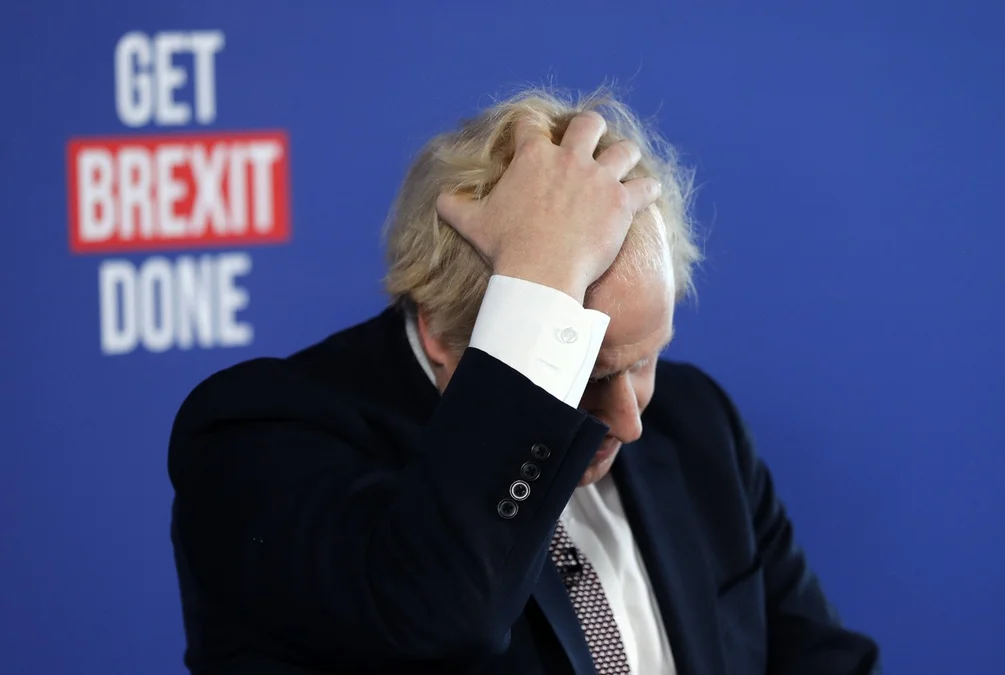
Ten years after the initial decision to leave the European Union, the United Kingdom continues to navigate the complex economic and political repercussions of Brexit. The separation, which formally concluded with the UK leaving the EU on January 31, 2020, followed by a transition period that ended on December 31, 2020, has fundamentally altered Britain’s trade relationships and internal political discourse. As the UK marks this decade-long period of transformation, analysts and policymakers continue to debate the long-term impact of the country’s departure from the EU single market and customs union, according to BBC Verify.
The economic landscape remains a primary focus of this assessment. While the UK successfully negotiated a free trade deal with the European Union to avoid tariffs on goods, the introduction of non-tariff barriers has created significant challenges. Businesses now face time-consuming paperwork and bureaucratic hurdles when importing and exporting goods, which has hindered trade efficiency. Research indicates that the impact on goods trade has been predominantly negative, though the scale of this decline remains a subject of intense academic study and disagreement, as noted by BBC Verify.
The Economic Friction of Non-Tariff Barriers
Estimates regarding the extent of the trade decline vary significantly among economists. Some studies suggest that UK goods exports are 30% lower than they would have been had the country remained within the EU single market, while other analyses point to a more modest reduction of approximately 6%. This discrepancy arises from the difficulty in establishing a “counterfactual”—a reliable measurement of what the UK economy would look like today had the 2016 vote gone the other way, according to reports from BBC Verify.
The burden of these changes has not been shared equally across the British business landscape. Small UK firms appear to have been hit harder by the post-Brexit transition than their larger counterparts. The increased cross-border bureaucracy requires resources and administrative capacity that smaller enterprises often lack, making it more difficult for them to maintain previous levels of trade with European partners. This trend is supported by various surveys of small business owners conducted in the years following the transition, as detailed by BBC Verify.
A Decade of Political Turbulence
The decade since the Brexit vote has been characterized by deep social and political division. The process of severing political ties that had lasted for 47 years dominated the British political agenda for years, influencing everything from national elections to local policy debates. As of April 2026, observers have noted that the ongoing discussions surrounding Brexit have continued to shape the country’s trajectory, with some academics highlighting themes of weakened international influence and internal political strain, as reported by Populism Studies.
The decision to leave the single market and customs union on January 1, 2021, marked the final stage of the formal separation process. Since then, the UK has been required to establish its own independent trade policies and regulatory frameworks. This shift has required constant adaptation from both the government and the private sector as they attempt to reconcile the new reality of “Global Britain” with the realities of reduced access to the European market, which remains the UK’s largest trading partner, according to data examined by BBC Verify.
Looking Ahead at the Brexit Legacy
As the conversation surrounding Brexit moves into its second decade, the focus is shifting toward how the UK government manages its current trade agreements and addresses the lingering economic friction. There is no single consensus on the long-term success of the policy, as the results remain tied to evolving global economic conditions and the efficacy of future trade deals. For citizens and businesses seeking the most current information on trade regulations and government policy, official updates are typically published through the UK government’s central portal at gov.uk.
The next major checkpoint for assessing the impact of these policies will likely emerge through upcoming economic reports from the Office for National Statistics, which provides regular data on UK trade performance and economic growth. Readers interested in the ongoing evolution of this story are encouraged to follow official government announcements and verified reporting from major news outlets. We welcome your thoughts on how these shifts have impacted your own experiences or business operations; please feel free to share your perspectives in the comments section below.