The Looming Shift in Global Finance: beyond Dollar Dominance
For decades, the U.S. dollar has reigned supreme as the world’s reserve currency. Though, a confluence of geopolitical and economic factors is fueling a growing movement to challenge that dominance.This isn’t about an immediate collapse of the dollar, but a gradual, potentially transformative shift towards a more multi-polar financial system.Understanding this evolving landscape is crucial for investors, business leaders, and policymakers alike.
The Rise of Alternatives: BRICS and Beyond
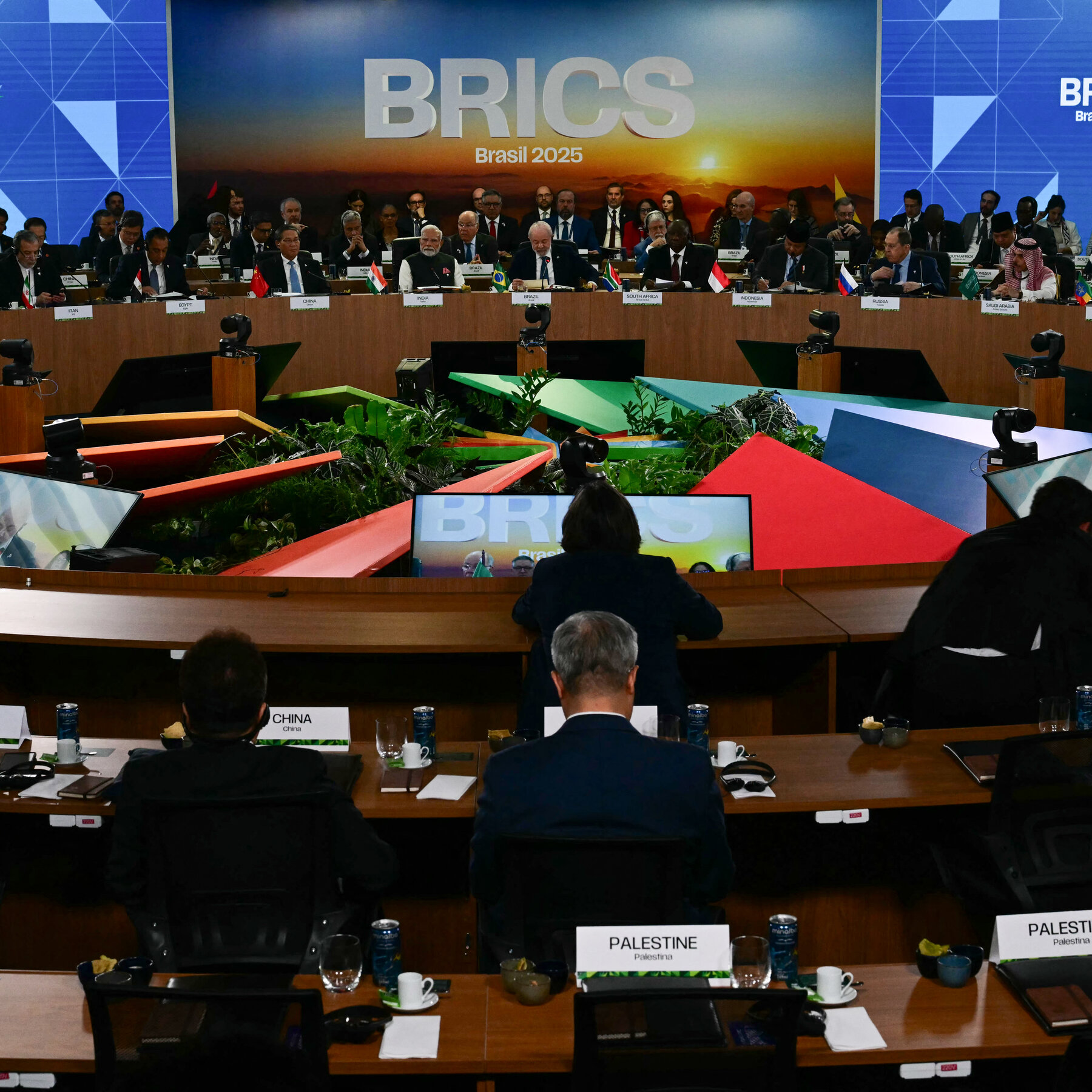
The BRICS nations – Brazil, Russia, India, China, and South Africa – are at the forefront of this change.Discussions around a new reserve currency, and initiatives like “BRICS Pay” (a potential alternative to SWIFT), signal a serious intent to reduce reliance on the dollar. These efforts aren’t solely about creating a new currency; they represent a broader desire for a more balanced and diversified global financial order.
Establishing a robust alternative system could trigger significant and rapid ripple effects. Here’s a breakdown of what that could look like:
* Diversified currency exposure: Investors may increasingly allocate capital to assets denominated in currencies beyond the dollar, such as the yuan, rupee, real, and rand.
* Shift in global capital flows: Emerging markets could see increased investment, potentially reshaping dollar-dependent supply chains and trade routes.
* New opportunities: Demand could surge for infrastructure projects, fintech solutions, cross-border trade platforms, and local-currency bonds.
* increased volatility: The transition period will likely involve fluctuations in currency values, exchange rates, and inflation – presenting both risks and opportunities for astute investors.
Why Now? The Forces Driving change
several key factors are accelerating this movement away from dollar dependence.Rising global tensions are prompting nations to seek financial independence. Together, the increasing U.S. national debt is raising concerns about the long-term stability of the dollar. Pressure on financial systems heavily reliant on the dollar is also contributing to the search for alternatives.
For many countries, the current situation feels increasingly precarious. The desire to mitigate risk and exert greater control over their financial destinies is a powerful motivator.
What This Means for You
This isn’t a sudden revolution, but a gradual evolution. Significant political, technical, and economic hurdles remain. Even within the BRICS nations, there’s ongoing debate about the extent of de-dollarization. Though, the momentum is undeniable.
Here’s how you should approach this evolving landscape:
* Stay informed: Continuously monitor developments in global finance and the efforts of BRICS and other nations.
* Diversify your portfolio: Consider incorporating assets denominated in multiple currencies to mitigate risk.
* Assess your supply chain: Evaluate your exposure to dollar-dependent trade routes and explore potential alternatives.
* Be prepared for volatility: Understand that currency fluctuations and market adjustments are likely during this transition.
The global financial landscape is on the cusp of a potential transformation. It may no longer be defined by a single currency or a single power, but by a more distributed and multi-polar system. paying close attention to these developments is no longer optional – it’s essential for navigating the future of global finance.
Worth a look