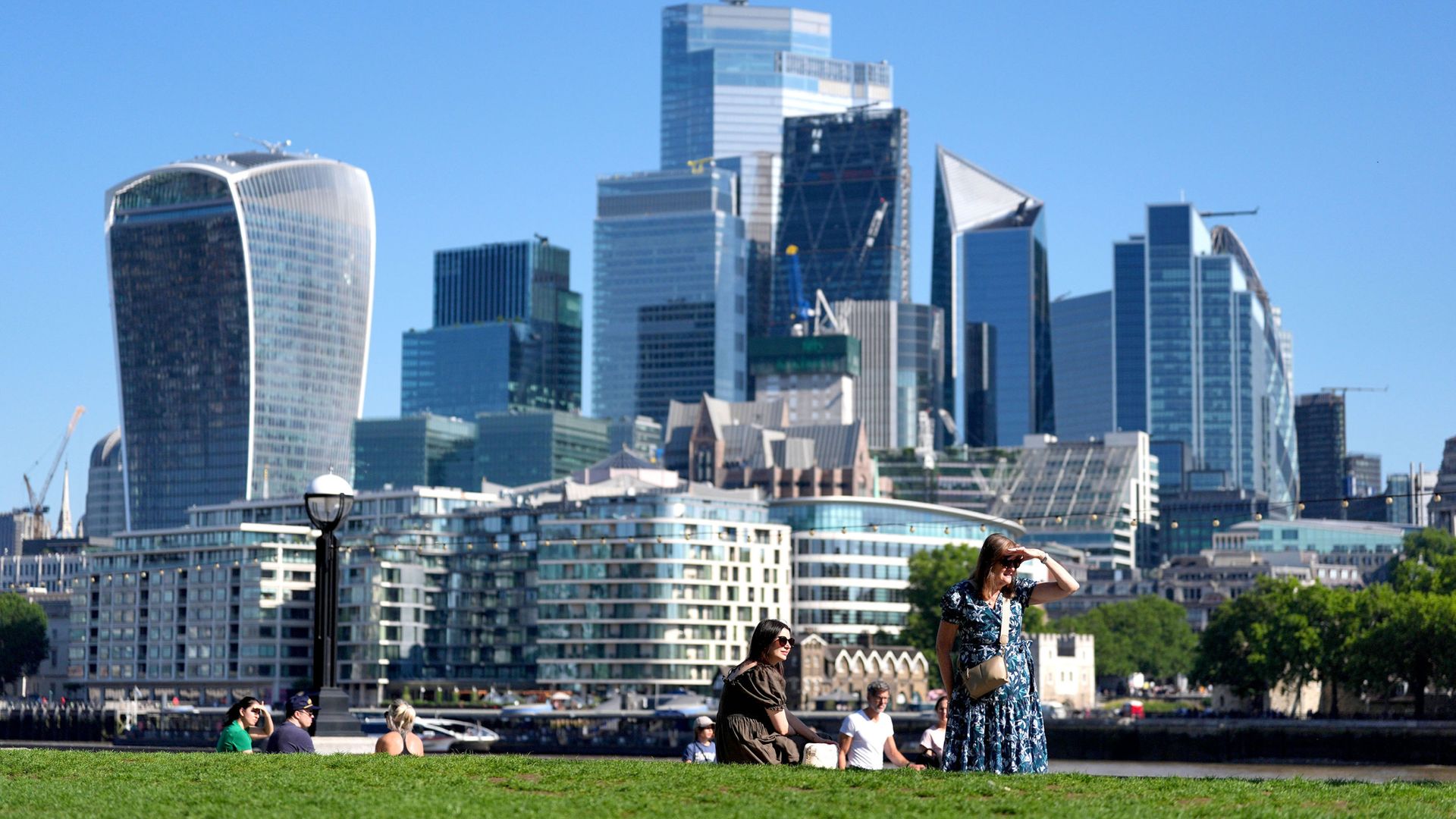
Meteorologists have issued an amber extreme heat warning for parts of the United Kingdom as a high-humidity heatwave is expected to push temperatures above 34C (93F) early next week. The surge in temperature, driven by a plume of warm air moving north from the continent, has prompted the UK Met Office to advise the public on the risks of heat-related illness and disruption to infrastructure.
This period of intense heat is characterized by the arrival of “tropical nights,” where temperatures are forecast to remain above 20C (68F) even after sunset. Such conditions prevent buildings and urban environments from cooling down overnight, significantly increasing the cumulative physiological stress on vulnerable populations, including the elderly and those with pre-existing respiratory conditions. According to the UK Health Security Agency (UKHSA), these sustained high temperatures pose a heightened risk to health during the early part of the coming week.
Drivers of the Upcoming Heatwave
The current weather pattern is the result of a high-pressure system positioned to the east of the United Kingdom, which is drawing warm, humid air directly from southern Europe. This synoptic setup is a common precursor to significant heat events in Britain, often resulting in “stagnant” air that traps heat and moisture near the surface. Unlike drier heatwaves, this event carries a high humidity index, which reduces the body’s ability to cool itself through the evaporation of sweat.
Data provided by the Met Office indicates that heatwaves are defined by the UK as a period of at least three consecutive days with daily maximum temperatures meeting or exceeding a specific regional threshold. For much of southern and central England, this threshold sits between 27C and 28C. With current projections showing peaks of 34C, the event is expected to significantly exceed these baseline criteria.
Health Impacts and Safety Guidance
Public health officials are emphasizing the importance of hydration and limiting physical exertion during the hottest hours of the day, typically between 11:00 AM and 3:00 PM. The National Health Service (NHS) recommends keeping living spaces cool by shading windows during the day and opening them only when the external air temperature drops in the evening. Individuals are encouraged to check on neighbors, particularly those living alone, to ensure they have adequate access to water and cooling facilities.

The risk of heat exhaustion and heatstroke is particularly acute during the initial days of a heatwave, as the body has not yet acclimated to the sudden spike in thermal load. Symptoms to monitor include dizziness, nausea, and rapid, shallow breathing. If these symptoms occur, medical guidance suggests moving to a cool place immediately and seeking assistance.
Infrastructure and Travel Disruptions
Beyond human health, extreme heat presents operational challenges for national infrastructure. Network Rail and other transport operators have previously implemented speed restrictions during similar heat events to prevent the buckling of steel rails, which expand as they absorb solar radiation. Passengers are advised to check local travel updates before commuting, as high temperatures often lead to signal failures and reduced service frequencies.
Energy demand is also expected to rise as households and businesses increase the use of air conditioning and electric fans. While the UK grid is generally well-equipped for summer demand, utility providers typically maintain high levels of readiness during alerts issued by the Met Office National Severe Weather Warning Service.
Next Steps and Official Updates
The current extreme heat warning remains in effect through Tuesday, with the Met Office scheduled to provide updated forecasts and potential extensions to the alert duration as the system progresses. Residents are encouraged to monitor the official Met Office website for real-time changes to the alert level in their specific region.
As this weather event develops, we will continue to provide updates on the impact of the heatwave across the country. Please share your experiences or local observations in the comments section below, and ensure you are following local authority guidance to stay safe during the high temperatures.
Related reading