Russian authorities have finalized the sale of the Nezhdaninskoye gold deposit, one of the country’s largest, at a significant discount to its estimated market valuation. The transaction, which saw the asset change hands for approximately half of its appraised value, underscores the ongoing trend of asset divestment and restructuring within Russia’s mining sector amid intensifying international sanctions and capital flight. According to reporting by Reuters, the divestment follows a broader pattern of Western and domestic companies exiting Russian operations, often resulting in steep financial losses for the original stakeholders.
The Mechanics of the Asset Sale
The sale of the gold mining asset was executed under strict regulatory requirements mandated by the Russian government for foreign-owned businesses seeking to exit the market. Companies departing Russia are currently required to sell assets at a minimum discount of 50% from the valuation determined by an independent auditor, a policy enforced by the Russian Ministry of Finance. This mandatory discount is designed to retain capital within the domestic economy and penalize firms that have curtailed operations due to the ongoing geopolitical conflict.

Analysts note that the valuation of mining assets in the region has become increasingly complex due to the volatility of global commodity prices and the restricted access to international financial markets. The World Gold Council tracks global market conditions, noting that while the physical price of gold remains elevated, the operational costs for miners in remote regions of Russia have surged due to logistical constraints and the difficulty of importing specialized mining equipment.
Impact on the Russian Mining Sector
The sale represents a broader shift in ownership within the Russian extractive industries. As multinational corporations have withdrawn, domestic entities or investors with closer ties to the state have increasingly moved to acquire these assets. This transition is not merely financial; it represents a consolidation of strategic resources under domestic control, insulating the sector from further international corporate departures.
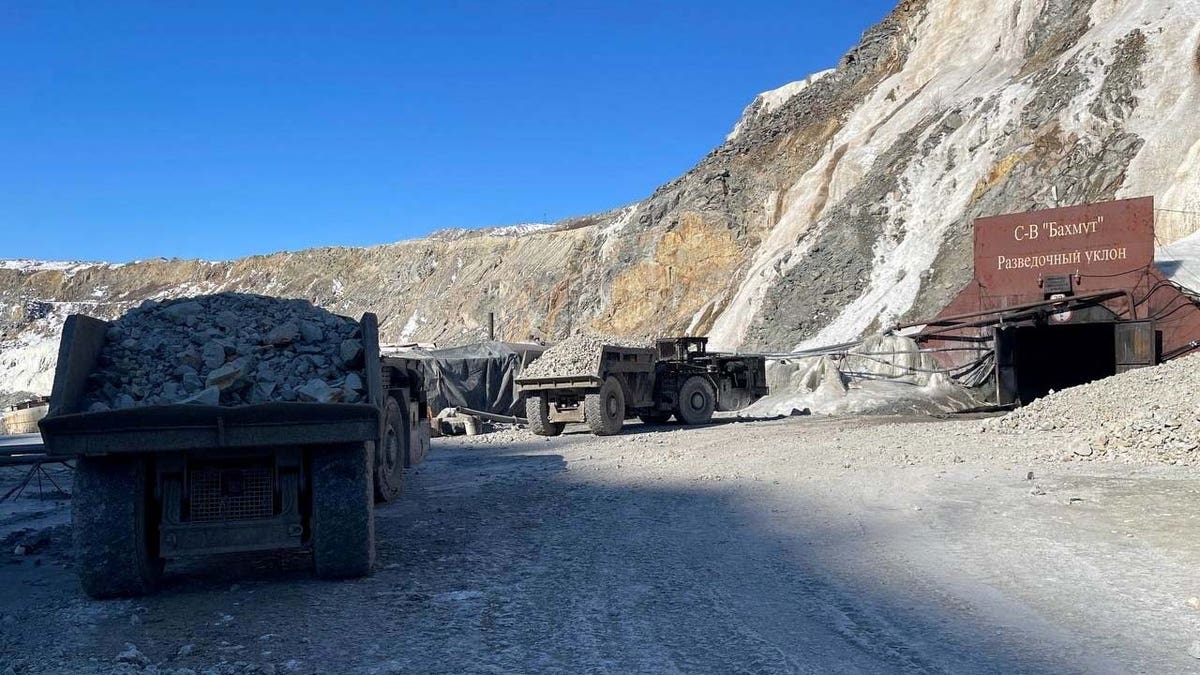
The International Energy Agency and various economic monitors have highlighted that the departure of Western expertise and technology could lead to long-term efficiency challenges for these mines. Without access to the latest geological mapping software or high-efficiency extraction machinery, the output of these deposits may face stagnation in the coming years. Furthermore, the discount applied to these sales often reflects the “risk premium” that potential buyers demand to compensate for the uncertainty surrounding future sanctions and the potential for further state intervention.
Economic Context and Market Valuation
The sale price, being roughly 50% of the asset’s assessed value, is consistent with the standard “exit tax” imposed by the Russian government on foreign divestments. This policy, formalized in various government decrees throughout 2023 and 2024, serves as a primary mechanism for the state to extract value from departing foreign firms. According to data from the International Monetary Fund, the Russian economy has attempted to pivot toward domestic industrial self-sufficiency, yet the loss of foreign direct investment continues to exert pressure on long-term capital expenditure projects.
Investors and market observers often contrast these forced sales with the historical valuation of Russian mining assets. Before the escalation of the conflict in 2022, these assets were traded at premiums based on projected output and global gold demand. Today, the valuation is heavily discounted to account for the restricted ability to repatriate profits and the high degree of political risk associated with Russian property rights.
What Happens Next for Investors
The next phase for these assets involves operational integration into the new ownership structures. Observers are monitoring whether these mines will maintain their previous production levels or if the shift in ownership will lead to a change in technical management. The Bloomberg Commodity Index remains a key metric for tracking how these localized supply-side changes influence the broader global gold market, though the impact of a single mine’s ownership change is typically localized.

Regulatory updates regarding foreign divestment are expected to continue as the Russian government adjusts its fiscal policy to manage the ongoing budgetary pressures. Shareholders of companies that still hold assets in the region are advised to monitor official filings through the U.S. Securities and Exchange Commission for any disclosures regarding further planned divestments or write-downs. As the situation remains fluid, updates will be provided as new financial reports are released by the relevant mining holding companies. Please feel free to share your thoughts or questions in the comments section below regarding the implications of this sale for the global gold market.
Related reading