
The historical narrative surrounding the global expansion of the tea trade in the 19th century remains a subject of significant interest for historians and trade analysts alike. Central to this era was the British East India Company’s strategic ambition to break the Chinese monopoly on tea production, a mission that involved clandestine efforts to acquire both plant specimens and technical expertise from the interior of China. This historical episode, often referenced in modern discussions regarding corporate espionage and intellectual property, highlights the geopolitical tensions that defined early international trade.
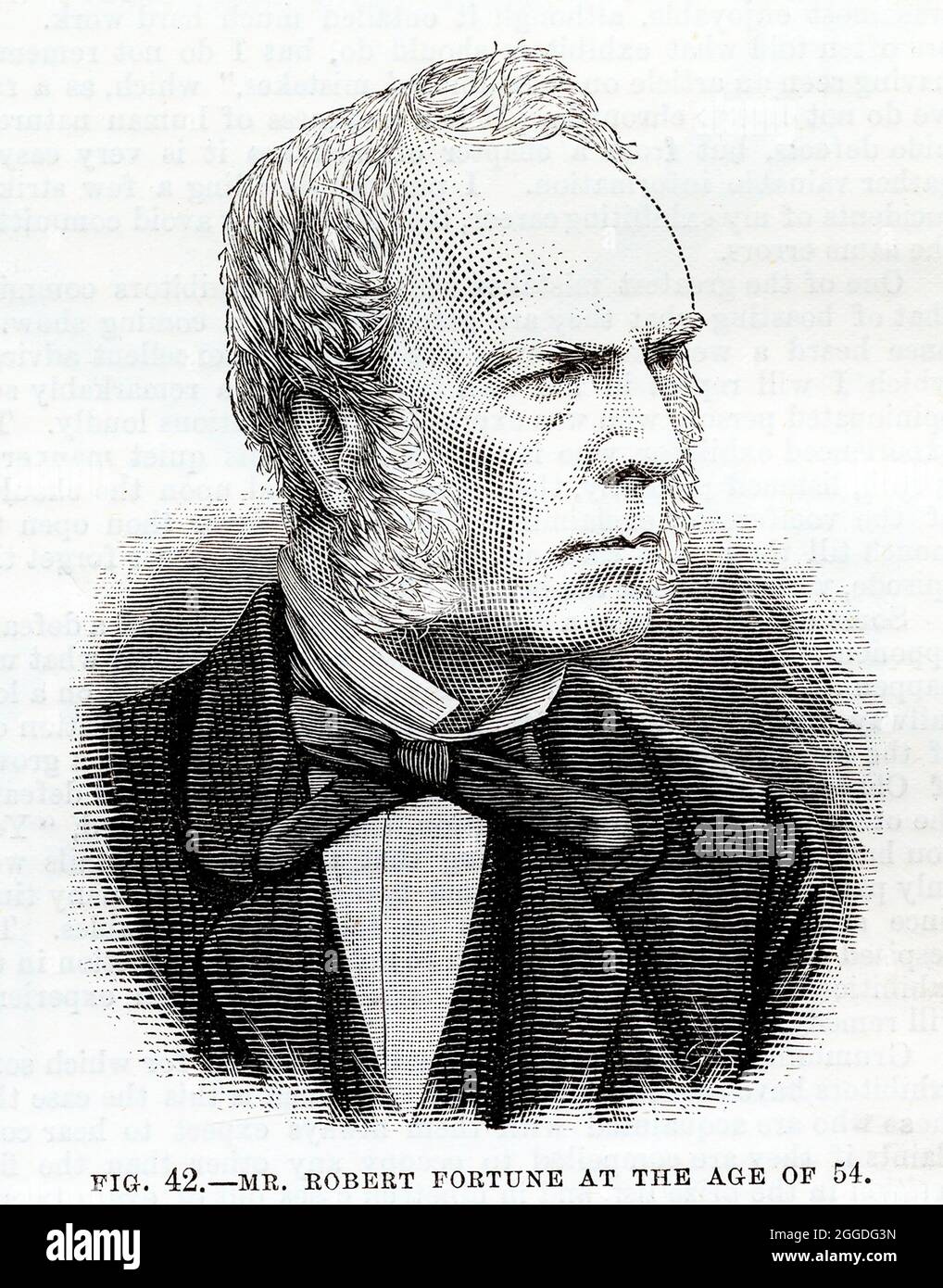
During this period, the British demand for tea had grown exponentially, creating a substantial trade imbalance that the British government and the East India Company sought to rectify. By attempting to cultivate tea in the British-controlled regions of India, the company aimed to secure a stable, independent supply chain. This endeavor led to the well-documented mission of Robert Fortune, a Scottish botanist and plant hunter commissioned by the East India Company, who traveled into the Chinese interior to secure tea plants and the knowledge required for their cultivation and processing.
The Historical Context of Trade Competition
In the mid-19th century, the British East India Company faced a persistent economic challenge: the cost of importing Chinese tea was draining the British treasury. According to the British Library, the company sought to establish its own tea plantations in the Himalayas, specifically in the region of Assam, to bypass the reliance on Chinese merchants. This shift in strategy was not merely agricultural but a calculated move to gain control over a commodity that had become essential to British social and economic life.
The efforts to transplant Chinese tea culture to Indian soil required more than just seeds. it necessitated the acquisition of the specific processing techniques that gave Chinese tea its distinct quality. Robert Fortune’s expeditions, which spanned from 1843 to 1846 and again from 1848 to 1851, were instrumental in this transfer of knowledge. Fortune traveled under the guise of a merchant, navigating the restrictions placed on foreigners in the Chinese interior at that time. His accounts provide a detailed, albeit biased, perspective on the botanical and industrial secrets he sought to uncover.
The Mechanics of Botanical Espionage
Robert Fortune’s journals describe his methods for ensuring the survival of the tea plants and seeds during the long journey back to India. He utilized a specific invention known as the Wardian case—a portable glass greenhouse—which allowed delicate plants to survive the harsh conditions of maritime travel. This technology, as noted by the Royal Botanic Garden Edinburgh, was crucial in the successful transplantation of tea varieties from China to the British colonies.
The acquisition of these assets was fundamentally an act of state-sponsored economic intelligence. By securing both the plant specimens and the labor of Chinese tea experts who were persuaded to relocate to India, the East India Company successfully laid the foundation for the massive tea industry that would eventually develop in South Asia. This transition marked a pivotal moment in global agricultural history, signaling the decline of China’s dominance in the international tea market and the rise of British commercial influence in the region.
Why This History Matters Today
Modern discussions regarding the history of the tea trade often touch upon themes of intellectual property and the ethics of early colonial trade practices. The story of Robert Fortune serves as a case study for historians examining how states and corporations have historically pursued competitive advantages through the acquisition of proprietary knowledge and resources from other sovereign territories. It underscores the long-standing importance of trade security and the protection of agricultural assets in the global economy.
In contemporary settings, the protection of agricultural and technological secrets remains a priority for nations worldwide. International trade agreements and intellectual property laws now govern the movement of botanical resources and industrial methodologies, reflecting a significant evolution from the era of unchecked colonial expansion. Organizations such as the World Intellectual Property Organization continue to provide frameworks for the legal protection of such innovations, ensuring that current trade practices adhere to international standards of fairness and transparency.
Key Takeaways
- The 19th-century transition of tea production from China to India was a deliberate, state-backed economic initiative led by the British East India Company.
- Robert Fortune’s botanical missions were critical in securing the necessary tea varieties and processing expertise for the British colonial plantations.
- The use of the Wardian case technology was a decisive factor in the successful transport of living specimens across continents.
- Historical trade practices have evolved significantly, moving from colonial-era acquisition to modern, treaty-based intellectual property frameworks.
As we continue to analyze the historical development of global trade, it is essential to distinguish between the documented events of the past and the various interpretations that arise in modern discourse. The legacy of these events continues to shape how we understand the origins of global consumer habits and the ongoing importance of maintaining ethical standards in international trade. We invite our readers to share their thoughts on how historical trade precedents influence current economic policies in the comments section below.
Keep reading