
As the month of June arrives, the annual observance of Pride Month—traditionally dedicated to honoring the history and contributions of the LGBTQ+ community—has become a focal point of shifting political discourse in the United States. In recent years, a growing number of Republican governors have moved to rebrand the period with conservative alternatives, introducing proclamations that emphasize themes such as family, faith, and traditional values. This trend represents a broader push within state-level GOP politics to utilize executive powers to signal ideological alignment with their conservative base.
For political observers and constituents, these actions are viewed through vastly different lenses. Supporters characterize these alternative designations as a necessary restoration of traditional societal structures and a defense of religious freedom. Conversely, critics and advocacy groups describe the trend as a form of counterprogramming designed to marginalize LGBTQ+ citizens and diminish the visibility of their civil rights struggles. This development highlights the intensifying “culture war” dynamics currently influencing American statehouse policy, where the use of gubernatorial proclamations has evolved from ceremonial gestures into deliberate instruments of political messaging.
The Evolution of Gubernatorial Proclamations
The practice of issuing official proclamations is a standard function of a state governor’s office, typically used to draw attention to specific causes, heritage months, or community events. Historically, these documents have been largely non-controversial, often serving as a means to foster community spirit. However, the current trend of using these platforms to issue competing declarations underscores a strategic shift in how Republican leadership engages with social issues. By replacing the recognition of Pride Month with designations such as “Family Month” or “Faith and Values Month,” governors are effectively signaling their legislative priorities to both their supporters and their political opposition.
This approach often aligns with broader legislative efforts in Republican-led states to regulate curriculum, restrict access to gender-affirming care, and define public policy through a traditionalist framework. According to analysis by the Pew Research Center, public opinion on these matters remains deeply polarized, reflecting a wider trend of partisan sorting where state policies increasingly diverge based on the political affiliation of the governor and legislature. These executive actions serve as a visible manifestation of that divide, ensuring that the cultural debates happening in the national spotlight are echoed in state-level administrative decisions.
The Impact of Symbolic Policy
While executive proclamations do not carry the force of law, their impact on the public consciousness and the morale of affected communities is significant. For many, the refusal to recognize Pride Month is viewed as a symbolic exclusion from the body politic. For others, the introduction of alternative themes is seen as an essential component of representative governance that reflects the values of their specific constituency. The controversy surrounding these proclamations often centers on the tension between pluralism and the promotion of specific moral or social frameworks by state leaders.
The role of governors in these debates has become increasingly prominent. As noted by the National Governors Association, the executive branch holds unique authority to set the tone for state-level discourse. By choosing to highlight specific themes, governors are not only reflecting the views of their supporters but are also actively participating in the shaping of public identity. This phenomenon is not limited to the debate over Pride Month; it is part of a larger, ongoing effort to define what symbols and observances are appropriate for the public sphere, a question that remains at the heart of many contemporary American political debates.
Stakeholders and the Path Forward
The stakeholders in this ongoing debate include state agencies, local school districts, and community organizations, all of which must navigate the shifting expectations set by the governor’s office. When an executive proclamation changes the focus of a month, it often creates uncertainty for local officials who must decide whether to align with state-level messaging or maintain traditional local observances. This tension can lead to inconsistent policies across different municipalities, further highlighting the localized nature of these culture-based conflicts.
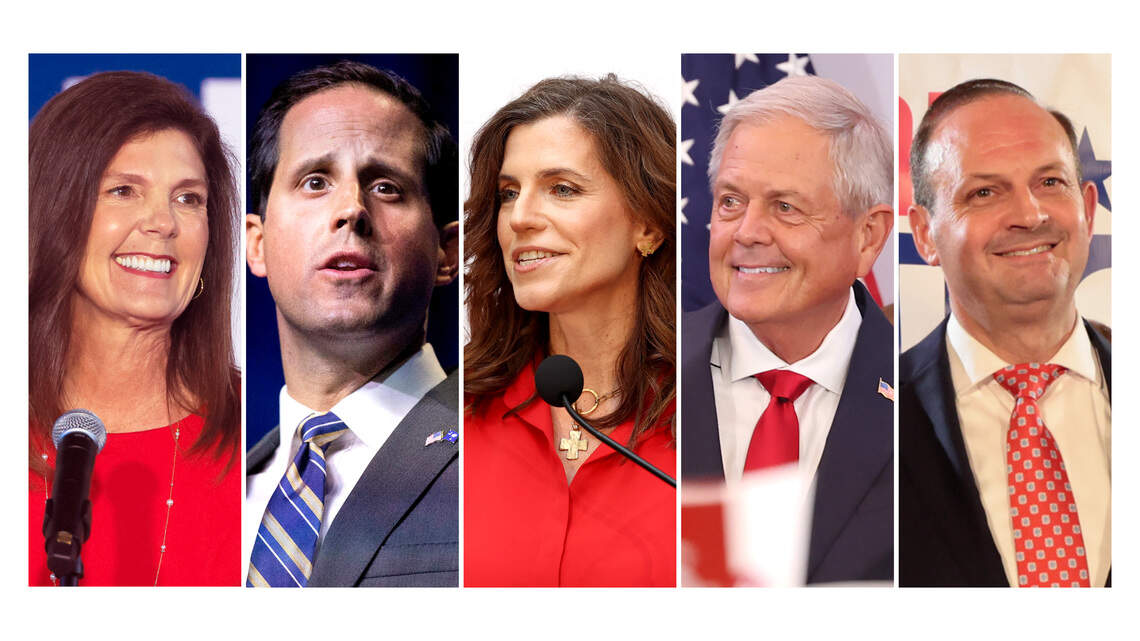
Looking ahead, the use of executive proclamations as a tool for political signaling is likely to continue as long as the electorate remains sharply divided on social issues. The next significant juncture for these debates will likely occur during the upcoming state legislative sessions, where formal bills related to these themes are expected to be introduced and debated. Citizens and stakeholders are encouraged to monitor their state’s official legislative portals and the governor’s press office for updates on new proclamations and policy shifts. As these discussions move from symbolic gestures to potential law-making, the importance of civic engagement and informed public debate remains as critical as ever.
What are your thoughts on how state leadership balances diverse cultural values in the public sphere? Join the conversation by sharing your perspective in the comments section below, and stay tuned to our business and policy desk for further analysis on these evolving political trends.
- Is Your Phone Screen Private? Study Reveals What Strangers Can See
- Elon Musk’s Fortune Plummets by $650 Billion
- DC Series Lanterns Starring Aaron Pierre and Kyle Chandler Premieres This Month (archyde.com)
- William Lawrence’s Path to Victory: Can His Views Win a Vulnerable Republican Seat? (newsdirectory3.com)