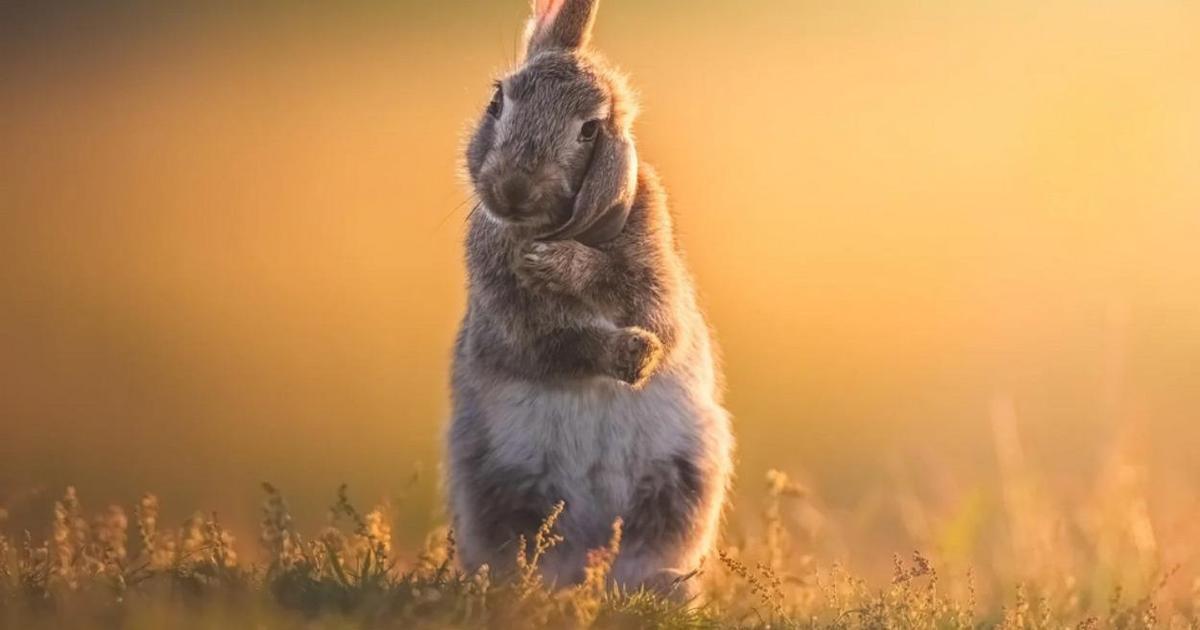
The British Wildlife Photography Awards (BWPA) have announced their 2026 winners, showcasing the remarkable beauty and diversity of the United Kingdom’s natural world. From stunning landscapes to intimate portraits of wildlife, the competition, which received over 12,000 entries, celebrates the talent of photographers capturing Britain’s wild side. The overall winner, Paul Hobson, captivated judges with his evocative image, “A Toad Swims Across Its Woodland Pond,” a testament to patience and innovative photographic technique.
Hobson’s winning photograph, taken in Sheffield, England, offers a unique perspective – a view from beneath the surface of a pond. He described being fortunate to have a pond nearby with clear water, particularly in early spring before algae blooms. The image highlights the breeding habits of toads and the photographer’s dedication to capturing this natural behavior. To achieve this unusual angle, Hobson constructed a waterproof glass box, weighted and stabilized, and remotely triggered the camera, waiting patiently for a toad to swim into view. The BWPA website details the ingenuity behind this award-winning shot.
Celebrating British Wildlife Through the Lens
The BWPA, now in its 2026 iteration, continues to be a prestigious platform for wildlife photographers across the UK. The competition isn’t just about artistic merit; it’s about raising awareness of the importance of conservation and the incredible wildlife that calls Britain home. This year’s entries spanned 11 different categories, offering a broad spectrum of perspectives on the natural world. The awards highlight not only the beauty of British wildlife but also the challenges it faces, from habitat loss to the impacts of climate change.
Mark Parker’s “Nemesis,” winner in the Animal Behaviour category, provides a dramatic illustration of the predator-prey relationship, depicting a sparrowhawk and a juvenile starling locked in a tense encounter in Royston, Hertfordshire. The image, according to Parker, captures a moment of intense focus and survival. Sarah Darnell’s “The Fur Flew,” a runner-up in the same category, showcases the energy and agility of brown hares boxing in Bintree, Norfolk. These images, and others recognized in the competition, offer a glimpse into the often-unseen dramas unfolding in the British countryside.
Category Highlights and Notable Mentions
Beyond the overall winner, several other photographs garnered significant recognition. Alastair Marsh’s “Standing Tall,” a striking portrait of a pine marten in Ardnamurchan, Scotland, took the top prize in the Animal Portraits category. The image captures the marten’s alertness and grace. Felix Belloin’s “Through the Lavender,” featuring a red fox in Richmond, England, was named runner-up in the same category. PetaPixel’s coverage provides a comprehensive overview of the winning images and the stories behind them.
Highly commended images included “Duelling Goats” by Andrew Lanxon, “Skydancers” by Drew Buckley, “Frosty Morning Show” by Alexander Hormann, and “Midnight Amplexus” by Kjetil Kalla. These images demonstrate the diverse range of talent and the captivating moments captured by photographers across the UK. The competition’s judges praised the technical skill and artistic vision displayed in all the winning entries.
The Importance of Wildlife Photography and Conservation
Wildlife photography plays a crucial role in conservation efforts. Images like those recognized by the BWPA can inspire a deeper appreciation for the natural world and motivate action to protect it. By showcasing the beauty and fragility of British wildlife, these photographs raise awareness of the threats facing these species and their habitats. The BWPA actively supports conservation initiatives through its outreach programs and partnerships with environmental organizations.
The competition also provides a platform for emerging photographers, like Ben Lucas, who was named Young British Wildlife Photographer of the Year 2026. Lucas’s poignant image of a mute swan cygnet sleeping on its sibling’s back is a tender reminder of the peaceful moments found in nature. This recognition encourages young people to pursue their passion for wildlife photography and contribute to conservation efforts. The awards demonstrate that impactful wildlife photography isn’t limited by age or experience.
The Atlantic’s coverage of the awards highlights the narrative power of these images, with photographers sharing the stories behind their operate. For example, Mark Richardson’s winning image in the Wild Woods category, “Beams of Brightness,” captures the ethereal quality of light filtering through a forest canopy.
Looking Ahead
The British Wildlife Photography Awards continue to be a vital celebration of the UK’s natural heritage. The 2026 competition has once again demonstrated the power of photography to connect people with the natural world and inspire conservation action. The winning images will be showcased in a coffee-table book, allowing a wider audience to appreciate the beauty and diversity of British wildlife.
The BWPA’s commitment to recognizing and promoting wildlife photography ensures that these significant stories will continue to be told for years to come. The next call for entries for the 2027 competition is expected to open in the autumn of 2026, providing another opportunity for photographers to share their vision and contribute to the conservation of British wildlife. Further details regarding the 2027 competition, including entry guidelines and deadlines, will be available on the official BWPA website in due course.
Key Takeaways:
- Paul Hobson’s “A Toad Swims Across Its Woodland Pond” was named the overall winner of the British Wildlife Photography Awards 2026.
- The competition received over 12,000 entries across 11 categories.
- Wildlife photography plays a crucial role in raising awareness about conservation and the importance of protecting British wildlife.
- Ben Lucas was named Young British Wildlife Photographer of the Year 2026 for his image of mute swan cygnets.
What are your thoughts on these stunning images? Share your favorite photographs and your own experiences with British wildlife in the comments below. Don’t forget to share this article with your friends and family to help spread awareness about the importance of conservation.
Related reading