At least 2,000 people have died in confirmed cases during the ongoing Ebola outbreak in the Democratic Republic of the Congo, according to recent government and health data. Public health officials report that this epidemic is spreading faster than any other recorded in the nation’s history, driven by geographic isolation, ongoing regional conflict, and severe logistical hurdles in the country’s eastern provinces.
The outbreak, centered primarily in the northeastern province of Ituri, has recorded a total of 4,381 confirmed cases, including 2,011 deaths, according to figures released by Infobae. An additional 704 patients currently remain hospitalized and isolated in treatment facilities across the affected eastern region.
While health authorities initially declared the epidemic on May 15, subsequent genetic sequencing conducted by the World Health Organization revealed that the virus actually began circulating months earlier in February. The acceleration of the crisis has outpaced containment efforts, with the death toll doubling from the initial total to 2,000 fatalities in just three weeks.
Rapid Spread and The Rare Bundibugyo Strain
The current public health emergency stands apart from previous epidemics in the region because it is caused by the rare Bundibugyo virus strain. According to Independent Español, this specific variant lacks approved vaccines or targeted pharmacological treatments, complicating standard response protocols established during prior outbreaks in Central Africa.
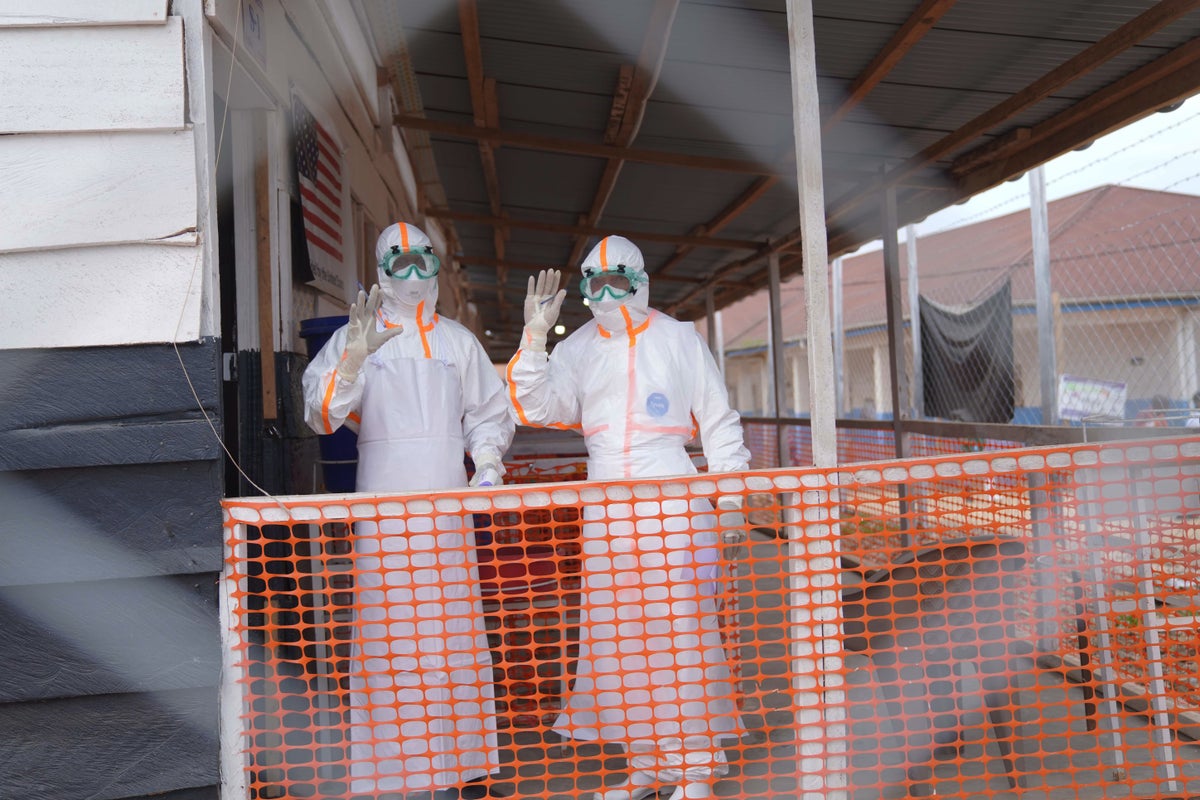
Experts at the World Health Organization recommended evaluating the licensed Ervebo vaccine in a Phase 3 clinical trial to address the absence of a specific immunization for the Bundibugyo variant. Data regarding the safety profile of the vaccine support its clinical evaluation among populations at risk, according to agency updates.
The Global Alliance for Vaccines and Immunization indicated that doses from the global Ebola vaccine stockpile, produced by Merck and funded through international partnerships, should be made available to support these trials. Gavi leadership noted that the existing stockpile contains numerous doses, with a portion already positioned within the country due to its frequent history of managing viral outbreaks.
Logistical Obstacles and Humanitarian Response
Humanitarian agencies working in the five affected eastern provinces face severe operational constraints. Response teams report that armed conflict involving rebel groups, damaged infrastructure, and difficult road conditions severely limit their ability to reach remote communities.
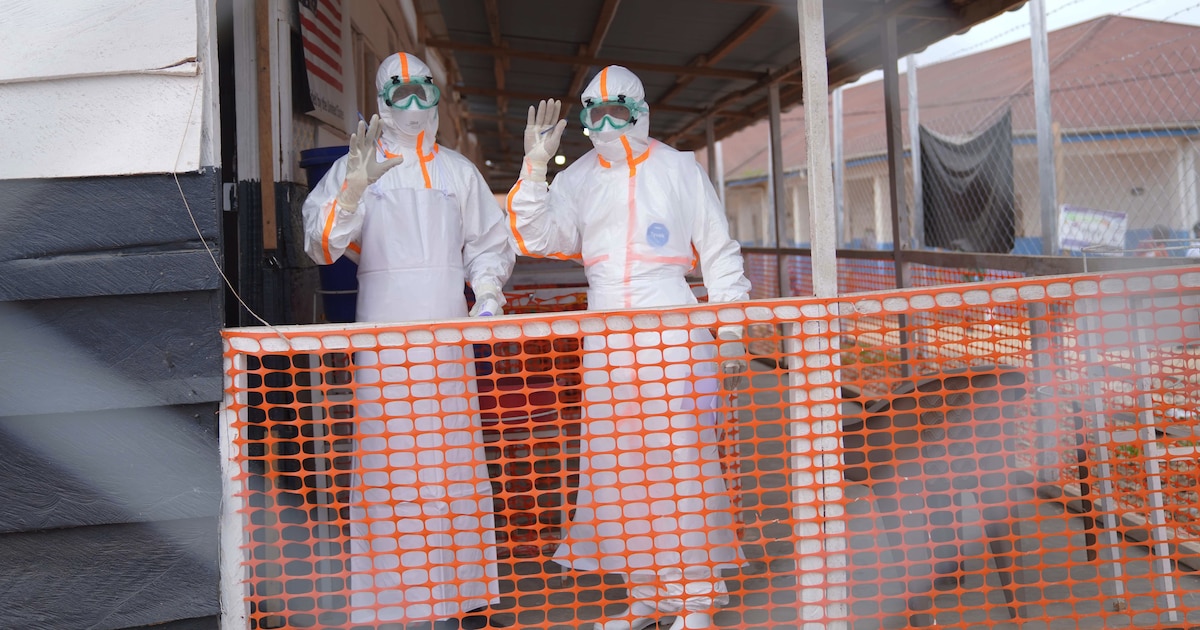
Compounding these operational challenges, many local healthcare workers have initiated strikes to protest unpaid salaries accumulating since the epidemic was officially declared. The lack of reliable financial support for frontline personnel has further strained fragile medical facilities in the operational zones.
International health authorities continue to monitor the expansion of the virus as response organizations work to establish secure access corridors. Readers seeking official updates and health advisories can consult public announcements issued directly through the World Health Organization.
Keep reading