The Weight of “Accounted For”: Reporting on Tragedy in a Hyper-Connected World
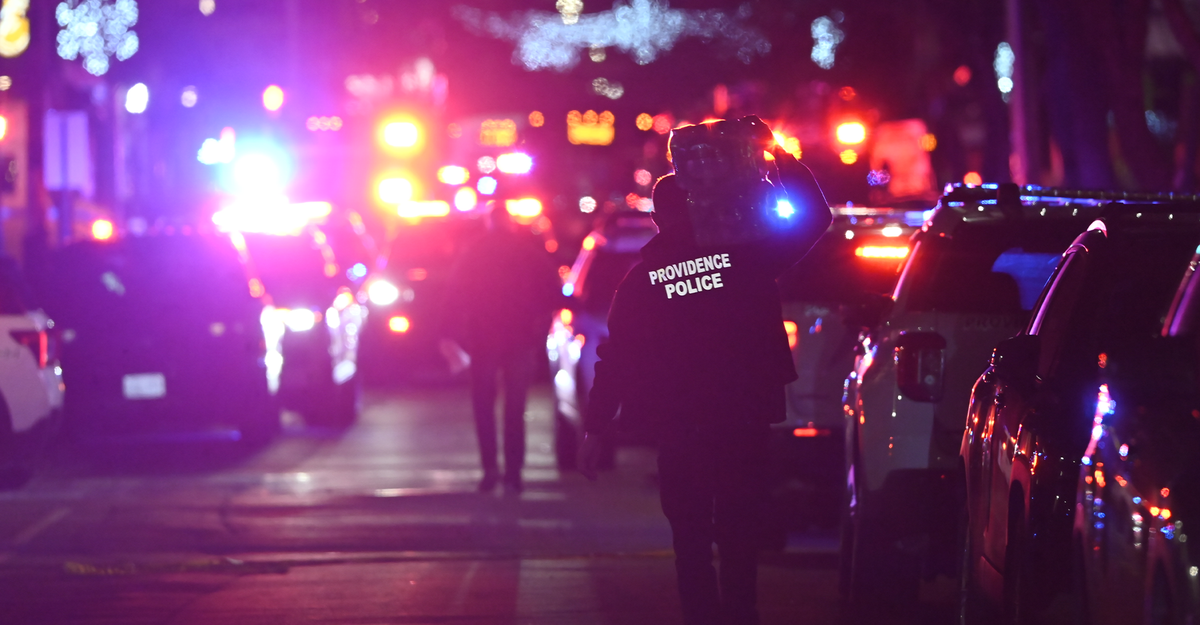
The news from Brown University on December 13th hit differently. It wasn’t just another active shooter situation reported from across the country; it was unfolding 37 miles across a state I know intimately – Rhode Island, America’s smallest. The initial reports were stark: a shooting during a review session, a university on lockdown, and a “person of interest” in custody. But the cryptic comment from law enforcement – “It’s a small state. Put the dots together” – spoke volumes about the interconnectedness of this tragedy and the challenges of reporting in the age of instant information.
As a journalist specializing in crisis reporting, often referred to as being on the “dead people” beat, I’ve developed a certain protocol.It’s a necessary shield against the emotional toll and a commitment to responsible, verified reporting. But this time,the usual procedures felt… insufficient. This wasn’t a distant event; it was in my backyard.
The Speed of Information – and Misinformation
The speed with which news travels now is both a blessing and a curse. Within minutes of the shooting, my phone lit up with texts. Friends, neighbors, colleagues in local media, even the publisher of a local newspaper chain – everyone wanted to know what I knew, if you were safe, if your children were affected.
It’s a testament to the power of community, but also a breeding ground for unverified rumors.I spent much of the night on air, carefully navigating the deluge of information, prioritizing confirmed facts over speculation. Providence Mayor Brett Smiley’s warning to avoid relaying unconfirmed details was a crucial reminder: in moments of crisis, accuracy is paramount.
Here’s what I’ve learned over the years about navigating these situations, lessons that are more vital than ever:
* Precision Matters: Always double-check the pronunciation and demographics of affected locations. Small details demonstrate respect and build trust.
* Source Verification: Never repost information from social media without verifying the source. Stick to established news agencies and reputable reporters.
* Know Your Players: Familiarize yourself with key political figures and law enforcement leaders. Understanding the landscape is crucial for context.
* Prioritize Facts: Resist the urge to speculate. Stick to what has been officially reported and verified.
The Personal Toll: Beyond the Professional Protocol
But even with these safeguards, the emotional weight of reporting on tragedy is immense. I’m often the one friends and neighbors turn to for reassurance, particularly mothers concerned about their children’s safety. It’s a role I understand; I rely on my own network of experts when facing personal questions.
One friend, a doctor I’ve known for decades, has always been a bit overprotective of her son. I’ve often responded to her anxieties with statistics,a professional habit. but when I learned her son was at Brown, those statistics felt hollow. My text – “Is he accounted for?” – struck me as cold, clinical.How could I ask about a child I’ve known since birth as if he were simply a data point?
That phrase,”accounted for,” encapsulates the chilling reality of our current moment. It’s a phrase used in emergencies, in mass casualty events. It reduces individuals to numbers, to a status update.
We Are All On the “Dead People” beat Now
The tragic events at brown University aren’t isolated. They are part of a disturbing pattern of violence that has become tragically commonplace. Many will rightly point out that the fear felt by students this weekend is a daily reality for children in other communities, both domestically and abroad.
And sadly, they are correct. The uncomfortable truth is that we are all, in a sense, on the “dead people” beat now. We are all navigating a world where tragedy can strike anywhere, at any time.
This demands a renewed commitment to responsible journalism, to prioritizing facts over speculation, and to remembering the human cost of every headline. It also requires a deeper conversation about safety, security, and the pervasive fear that is shaping our lives.
As a journalist,and as a member of this community,I will continue to strive for accuracy,empathy,and a commitment to telling the stories that matter – even when they are the hardest to tell. As in a
Related reading