
Brussels, May 19, 2026 — As the United States marks its 250th anniversary, a major celebration planned at the iconic Parc du Cinquantenaire in Brussels has sparked diplomatic and political discussions about whether the event constitutes an endorsement of U.S. President Donald Trump’s policies. Local officials, including the mayor of Brussels, have clarified that the festivities are a cultural and historical tribute rather than political alignment, though the distinction has not fully quelled international scrutiny.
The celebration, scheduled to coincide with the U.S. Bicentennial milestone, will feature concerts, exhibitions, and public gatherings designed to highlight shared transatlantic values. However, the event’s timing—amid ongoing debates over U.S. Foreign policy—has drawn attention to the delicate balance between diplomatic protocol and political messaging. While the Brussels-Capital Region government has emphasized the apolitical nature of the festivities, the question remains: How do cities like Brussels navigate celebrations of foreign nations without implicitly endorsing their leadership?
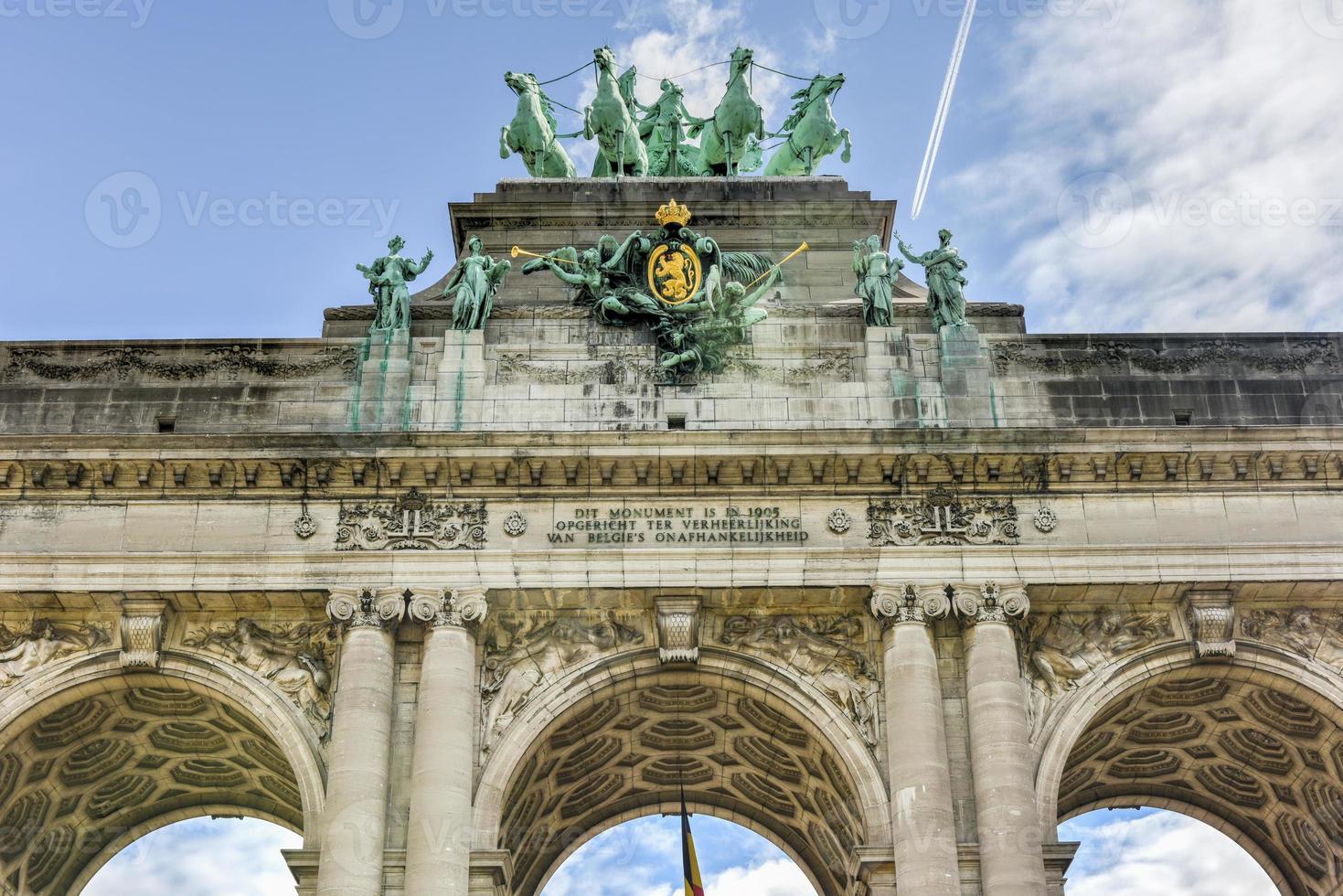
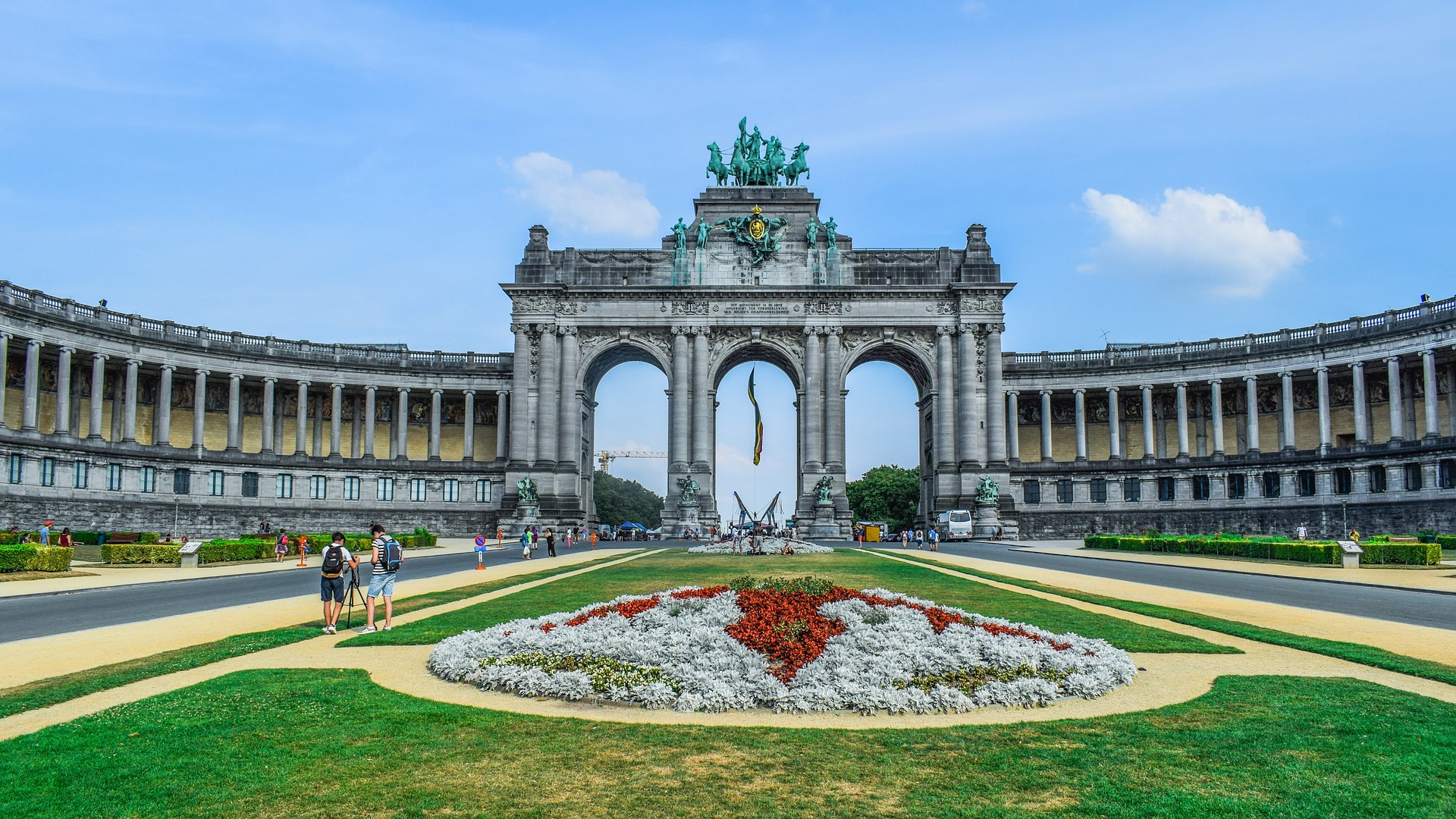
At the heart of the controversy lies the Parc du Cinquantenaire, a historic landmark in Brussels that has long served as a venue for international gatherings. The park’s name, translating to “Fiftieth Anniversary Park,” was originally built to commemorate the 50th anniversary of Belgium’s independence in 1880. Today, it stands as a symbol of Brussels’ role as the de facto capital of the European Union, hosting events that reflect both the city’s cultural identity and its geopolitical significance. The upcoming U.S. Celebration is expected to draw thousands, with organizers stressing its focus on music, art, and civic pride rather than partisan politics.
Diplomatic Clarifications: “This Is Not a Political Event”
In a statement released earlier this week, the Government of the Brussels-Capital Region confirmed that the Cinquantenaire celebration is part of a broader series of events marking the U.S. Bicentennial, organized in collaboration with American cultural institutions. The mayor of Brussels, Boris Dilliès, reiterated that the festivities are designed to celebrate the enduring friendship between Belgium and the United States, not to endorse any specific political agenda. “This is a moment to honor shared history and values, not to take sides in domestic debates,” Dilliès stated in a press briefing. While the statement avoids direct mention of Trump, the subtext—distancing the event from U.S. Political divisions—is clear.
Why this matters: The distinction between cultural diplomacy and political endorsement is critical in Brussels, a city where the EU’s institutions operate alongside a complex web of national and regional governments. The Brussels-Capital Region, an autonomous entity within Belgium, must tread carefully to avoid perceptions of bias, especially given its role as a hub for international organizations. The U.S. Bicentennial celebration, while historically significant, arrives at a time when transatlantic relations are under strain due to U.S. Trade policies and differing views on global governance.
The Bicentennial Celebration: What to Expect
The official program for the Cinquantenaire event includes:
- A concert featuring American and Belgian musicians, scheduled for May 28, 2026, in the park’s grand amphitheater.
- An exhibition on U.S.-Belgian historical ties, showcasing artifacts from the Revolutionary War era to modern collaborations.
- A public forum on democracy and civic engagement, moderated by EU officials and American scholars.
Organizers have emphasized that the event will be open to the public, with no restrictions based on political affiliation. However, the presence of high-profile U.S. Officials—including potential appearances by figures tied to Trump’s administration—could reignite debates about the event’s neutrality. The Brussels government has not confirmed any official U.S. Delegation attendance, but local media reports suggest that cultural attachés and diplomats may participate in an unofficial capacity.
Key takeaway: The celebration’s success hinges on its ability to remain inclusive, avoiding even the appearance of partisan favoritism. In a city where EU institutions and national governments often clash over sovereignty issues, the line between celebration and endorsement is razor-thin.
International Reactions: A Test for Brussels’ Neutrality
The Brussels event is not the first time a U.S. Bicentennial celebration has drawn political scrutiny. In 2023, similar gatherings in Paris and London faced questions about their alignment with U.S. Policies, particularly regarding immigration and climate change. Brussels, however, occupies a unique position as the seat of the EU, where diplomatic language must often balance national interests with supranational obligations.
Critics argue that any public event in Brussels—especially one hosted by the city government—risks being interpreted as a stamp of approval for the U.S. Government’s current direction. Supporters counter that cultural exchanges are essential to maintaining transatlantic bonds, regardless of leadership changes. The Brussels-Capital Region’s government has not released a detailed guest list, but sources indicate that invitations have been extended to American cultural institutions rather than political figures.
What happens next: As the event approaches, local authorities will likely face pressure to clarify whether any U.S. Officials—beyond diplomats—will attend. The Brussels government has not set a deadline for releasing additional details, but organizers have promised transparency in the coming weeks. For now, the focus remains on ensuring the celebration adheres to its stated goals: unity, history, and shared values.
Beyond the Headlines: Brussels’ Role in Global Diplomacy
Brussels’ approach to hosting international events reflects its broader role as a mediator in European and global affairs. The city’s Parc du Cinquantenaire, with its triumphal arch and expansive grounds, has long been a stage for both triumph and controversy. From NATO summits to EU commemorations, the park’s history underscores Brussels’ dual identity: a capital of Europe and a cultural crossroads.
The U.S. Bicentennial celebration is the latest chapter in this narrative. While the event may not directly support Trump’s policies, it raises broader questions about how cities navigate the intersection of culture, politics, and diplomacy. For Brussels, the challenge is to honor its guests without compromising its reputation for neutrality—a balancing act that will be closely watched by observers on both sides of the Atlantic.
FAQ: What You Need to Know
Q: Will Donald Trump or his administration attend the Brussels event?

A: As of now, there is no confirmed attendance by President Trump or senior administration officials. The event is being organized by Belgian cultural authorities in collaboration with American institutions, not the U.S. Government.
Q: Is this event politically neutral?
A: Officials have stated that the celebration is apolitical, focusing on history and culture. However, the timing and location may still invite scrutiny, given Brussels’ role as a hub for EU diplomacy.
Q: How can I attend the Cinquantenaire event?
A: Tickets for the May 28 concert and exhibition will be available through the Brussels tourism website. Organizers have not yet announced whether the forum will require registration.
Q: What other U.S. Bicentennial events are happening in Europe?
A: Similar celebrations are planned in Paris, London, and Berlin, though details vary by city. Brussels’ event is notable for its focus on civic engagement alongside cultural programming.
Final Thoughts: A Celebration Without Endorsement
As the U.S. Bicentennial celebrations unfold across Europe, Brussels stands at a crossroads. The Cinquantenaire event offers a rare opportunity to reflect on shared history while maintaining the delicate balance of neutrality. Whether the city succeeds in this endeavor will be judged not just by the event’s programming, but by how it navigates the fine line between diplomacy and politics in an era of heightened global tensions.
For updates on the event’s guest list and additional details, visit the official Brussels tourism site or monitor statements from the Brussels-Capital Region government. What do you think—should cultural events remain strictly apolitical, or is it impossible to separate politics from diplomacy in today’s world? Share your thoughts in the comments below.