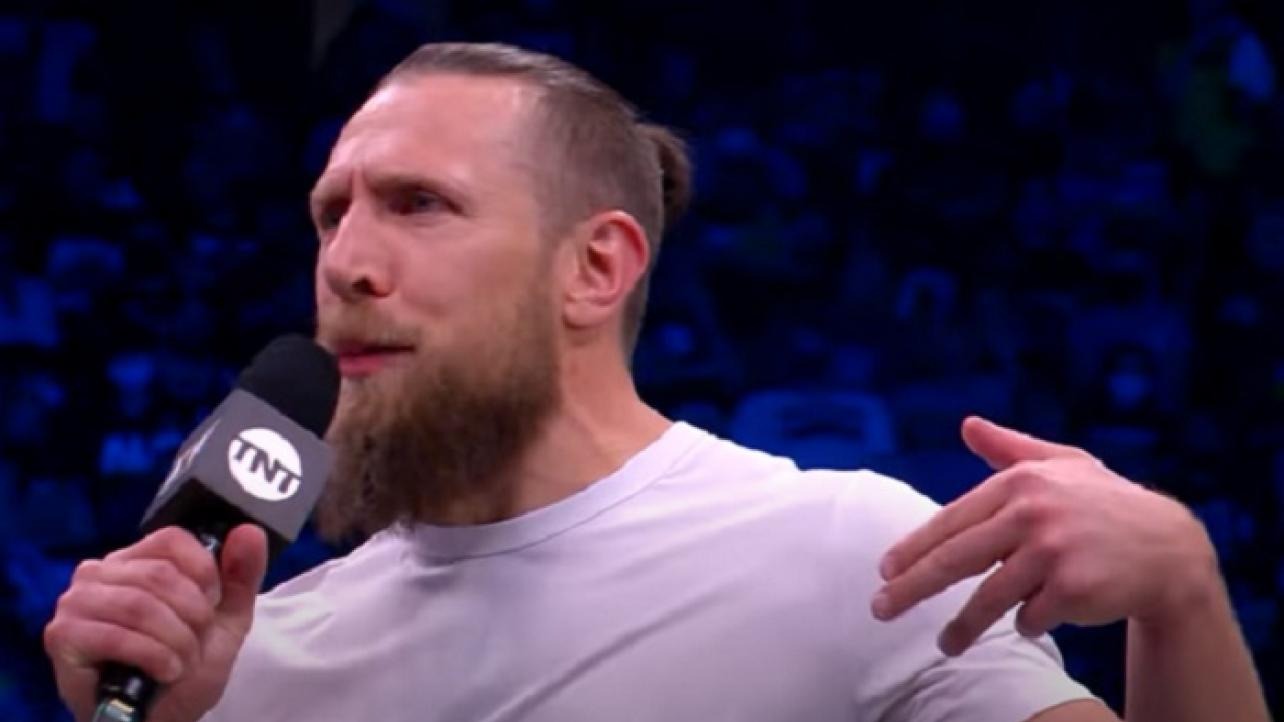
WWE vs. AEW: Bryan Danielson Weighs In on Counter-Programming & The State of pro Wrestling
Are you a wrestling fan wondering why WWE seems to be deliberately scheduling events against AEW? It’s a question on many minds, and Bryan Danielson – a veteran who’s excelled in both promotions – recently shared his insightful outlook. This article dives deep into Danielson’s comments, exploring the motivations behind WWE’s strategy, its impact on the industry, and what it means for you, the wrestling audience.
The Counter-Programming strategy: What’s Really Going On?
WWE has recently adopted a tactic of scheduling its premium live events on the same dates as AEW’s pay-per-views.This is often referred to as “counter-programming.” Many fans and analysts have speculated this is a direct attempt to undermine AEW’s viewership and establish dominance.
Though, Bryan Danielson doesn’t necessarily see it that way. In a recent interview with the Kairouz Bros, Danielson suggested this isn’t about a genuine fear of AEW posing an existential threat to WWE’s billion-dollar empire. Rather, he frames it as a power play.
“I’m just curious,like,what the people who are making these decisions,what they’re thinking,” Danielson stated. “In the sense of like, ‘Oh, okay, this AEW thing. It’s a real danger to our billion-dollar business.’ That can’t be it.”
A Positive Shift for Wrestlers – Across the Board
Danielson believes the emergence of AEW has been overwhelmingly positive for professional wrestlers. The increased competition has forced WWE to re-evaluate its talent compensation.This means wrestlers, both in AEW and WWE, are now earning more than they were previously. It’s a rising tide lifting all boats. He highlights this as a meaningful benefit stemming from the existence of a viable choice to WWE.
The Psychology of Power and Money
Danielson’s most compelling point centers on the psychology of those in positions of power. He suggests the counter-programming isn’t a logical business decision, but rather a manifestation of a desire to control the landscape.
“It’s one of the things that people who really crave power and a lot of money play these wierd games that I don’t understand,” he explained. “I don’t understand, it’s like, ‘Okay, we’re gonna run all the competitors that might be competitive with us out of this business.’ Why? It’s good. It’s good for the wrestlers.”
Essentially, Danielson views it as a game played by those with the resources to play it, rather than a strategically sound business maneuver.
Respect for the Competition
despite questioning the motivations behind WWE’s strategy, Danielson maintains respect for the individuals working within the company.He acknowledges the talent and dedication of those involved,separating the corporate decisions from the people executing them.
You can listen to the full interview with Bryan Danielson on the Kairouz Bros’ platform for a more in-depth understanding of his views.https://www.kairouzbros.com/
The Bigger Picture: A Healthy Pro Wrestling Ecosystem
The dynamic between WWE and AEW is shaping the future of professional wrestling. Competition breeds innovation, and the presence of two major players is ultimately benefiting fans.
Increased Options: Fans now have more choices in terms of the wrestling they consume.
Improved Talent Value: Wrestlers have more leverage and earning potential.
Creative Innovation: Both companies are pushing each other to deliver more compelling storylines and in-ring action.
This isn’t simply a rivalry; it’s a catalyst for growth and evolution within the industry.
Evergreen Insights: the History of Wrestling Wars
The WWE vs. AEW situation isn’t new. Pro wrestling has a long history of territorial battles and competition.
The NWA vs. WWF (1980s): Vince McMahon’s WWF (now WWE) aggressively expanded, challenging the established National Wrestling Alliance (NWA) and ultimately becoming the dominant force. WCW vs. WWF (The Monday Night Wars – 1990s): World Championship Wrestling (WCW), backed by Ted Turner, briefly surpassed WWE in ratings before ultimately being purchased by McMahon.
Keep reading