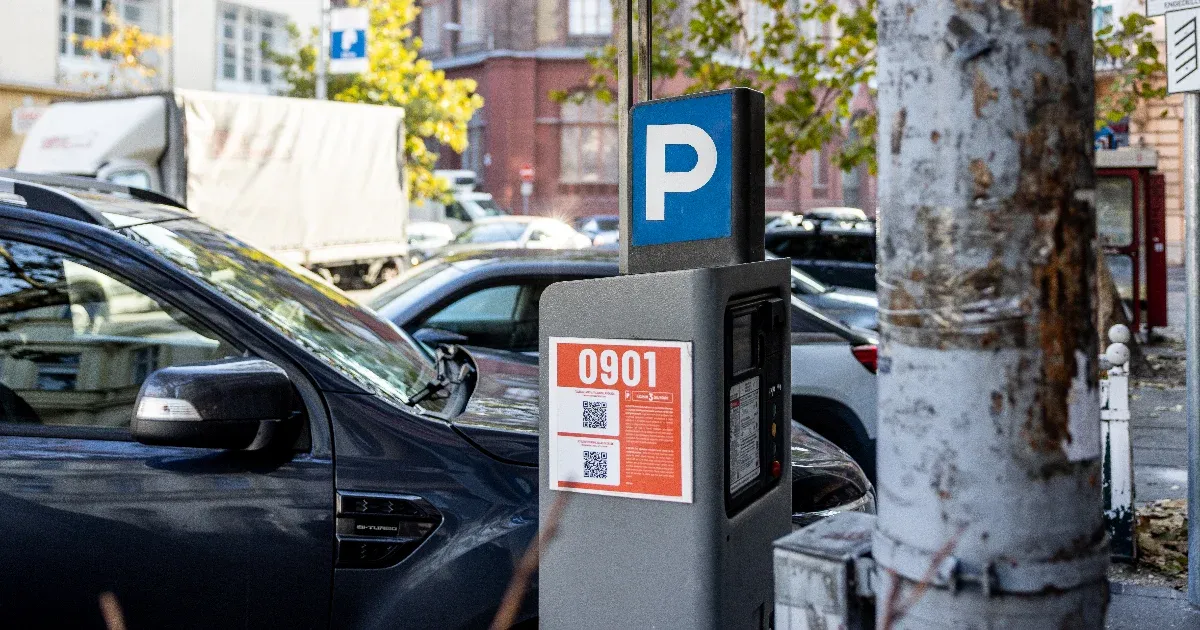
Budapest motorists face the cancellation of a promised 25 percent discount on parking fees after the municipal government failed to fund the development of the BudapestGO mobile application’s parking integration features. The decision to withhold budget for the digital expansion of the city’s transport app means the planned financial relief for tens of thousands of drivers will not be implemented.
The cancellation stems from a gap between the city’s urban mobility goals and its actual budget allocations. While the Budapest municipality had previously signaled that the integration of parking services into the BudapestGO app would trigger specific discounts for users, the technical development required to facilitate this seamless transition was not funded. Consequently, the digital infrastructure necessary to verify and apply these discounts remains unbuilt.
Why is the Budapest parking discount being cancelled?
The primary reason for the loss of the discount is a lack of municipal investment in the BudapestGO software ecosystem. The BudapestGO app, managed by the Budapest Transport Centre (BKK), was intended to serve as a centralized hub for public transit, bike-sharing, and eventually, integrated parking management. The proposed 25 percent discount was designed to incentivize the use of the app for parking payments, theoretically reducing the need for physical kiosks and streamlining urban movement.

Local reports indicate that while the policy for the discount was communicated to the public, the budget required to develop the specific software modules for parking integration was never approved or allocated. Without these digital tools, the city cannot technically implement a discount tied to app-based parking sessions. This disconnect between policy announcement and technical execution has left tens of thousands of motorists expecting lower costs that are no longer forthcoming.
The failure to fund the BudapestGO development represents more than just a missed discount; it highlights a tension in the city’s fiscal planning. Urban planners had hoped the app would act as a “smart city” tool to manage congestion, but the lack of development funds has stalled this specific component of the digital transition.
How does the BudapestGO app impact parking costs?
The intended function of the BudapestGO app was to bridge the gap between public transport and private vehicle usage. Under the original plan, drivers would use the application to locate available parking spaces and pay for their sessions digitally. By linking the payment to the BudapestGO platform, the city aimed to provide a 25 percent discount to users, making the transition between different modes of transport more financially viable.
This integration was expected to provide several benefits:
- Reduced Congestion: Real-time parking data within the app could help drivers find spots faster, reducing “cruising” traffic.
- Simplified Payments: Moving away from physical coins or specific parking meters toward a unified digital wallet.
- Financial Incentives: The 25 percent discount served as a primary driver for citizens to adopt the city’s official mobility platform.
Because the development of these features was halted, the financial incentive has been removed from the equation. Drivers will continue to use existing payment methods—such as physical meters or older digital systems—without the benefit of the planned discount.
What are the rising parking rates in Budapest?
The cancellation of the discount arrives at a time of increasing financial pressure on Budapest drivers. While the 25 percent relief is being withdrawn, parking costs in many districts of the capital are trending upward. Some reports suggest that hourly parking rates in certain areas could reach as high as 800 Hungarian Forints (HUF) per hour starting in July.

The rising costs are part of a broader municipal strategy to manage urban density and encourage the use of public transportation. However, the simultaneous removal of a promised discount creates a contradictory economic environment for commuters. Drivers are facing higher base prices while losing the digital tools and discounts that were meant to mitigate these increases.

The impact is most significant for “intermodal” commuters—those who drive to the outskirts of the city center and then switch to public transit. These users were the primary target for the BudapestGO integration, and they are now the group most likely to feel the cumulative effect of higher parking fees and the absence of the app-based discount.
| Feature | Planned Integration Scenario | Current Reality |
|---|---|---|
| Parking Discount | 25% reduction for app users | No discount available |
| Payment Method | Unified via BudapestGO app | Traditional meters/existing apps |
| Software Status | Fully integrated parking module | Development halted due to funding |
| Cost Trend | Mitigated by digital incentives | Rising hourly rates (up to 800 HUF) |
What happens next for Budapest motorists?
For now, motorists should expect to pay standard parking rates without the possibility of the 25 percent BudapestGO discount. There is currently no official timeline for when, or if, the development of the parking module within the BudapestGO app will resume. The city’s focus remains on managing the existing parking infrastructure and the ongoing increase in hourly fees.
The situation serves as a cautionary example of the challenges facing “Smart City” initiatives. When digital infrastructure development is decoupled from policy promises, the resulting gap can lead to significant public dissatisfaction and financial unexpectedness for the citizenry. Drivers are advised to monitor official announcements from the Budapest Transport Centre (BKK) regarding any changes to parking regulations or future digital service rollouts.
The next major checkpoint for Budapest’s transport policy will be the official implementation of the updated parking fee schedules. Residents and commuters should check their local district’s specific parking regulations to prepare for potential price adjustments.
Do you think digital integration is essential for modern urban parking? Share your thoughts in the comments below and share this article with fellow commuters.
Keep reading