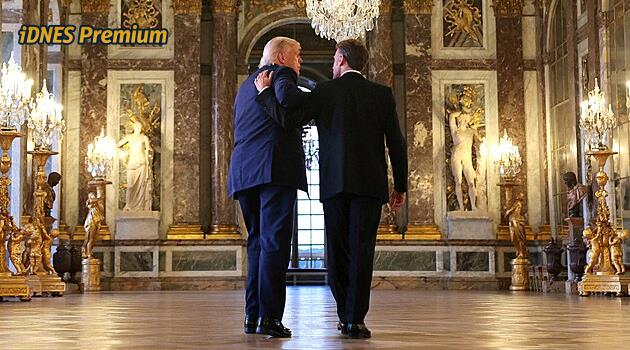
Former U.S. President Donald Trump’s perspective on the war in Ukraine has undergone a notable shift, moving from an initial belief that Kyiv would quickly succumb to Russian forces to a more nuanced engagement with the conflict’s endurance. This evolution in outlook has been attributed to direct communications with international leaders, specifically Ukrainian President Volodymyr Zelenskyy and French President Emmanuel Macron, according to reports from diplomatic channels and recent political analysis.
As the international community monitors the ongoing Russian invasion of Ukraine, the policy positions of key American political figures remain a focal point for global stability. Trump, who is currently campaigning for the 2024 presidential election, has faced scrutiny over his previous assertions that the conflict would conclude rapidly. Observers indicate that interactions with foreign counterparts played a critical role in recalibrating his understanding of the Ukrainian military’s resilience and the geopolitical stakes involved.
The Evolution of Trump’s Stance on Ukraine
Early in the conflict, which began with the full-scale Russian invasion on February 24, 2022, Donald Trump frequently suggested that the war would be short-lived, often citing his view that the Ukrainian government would be unable to withstand the Russian military’s technological and numerical advantages. These early assessments mirrored the predictions of several intelligence agencies that initially estimated Kyiv could fall within days, as documented by the New York Times in the opening weeks of the hostilities.
However, the persistence of the Ukrainian defense and the subsequent mobilization of Western support altered the trajectory of the war. Reports suggest that during private discussions, both President Zelenskyy and President Macron presented detailed briefings to the former U.S. president regarding the necessity of continued resistance. These conversations reportedly emphasized the broader implications for European security and the global order, prompting a reassessment of the conflict’s potential duration and the strategic importance of supporting Kyiv.
Diplomatic Influence and Strategic Reassessment
The role of French President Emmanuel Macron in shaping international perspectives on the war has been consistent, with Macron frequently advocating for a robust European response to Russian aggression. According to reporting from Politico Europe, Macron has maintained open lines of communication with various American political stakeholders to emphasize that a Ukrainian defeat would have long-term negative consequences for transatlantic security. By framing the conflict not merely as a regional dispute but as a fundamental challenge to international law, these leaders succeeded in moving the conversation toward the realities of a protracted war.
President Zelenskyy, for his part, has utilized direct diplomacy to counter narratives suggesting that Ukraine is incapable of holding its ground. Throughout the conflict, the Ukrainian administration has provided consistent updates on the status of the front lines and the impact of international military aid. These updates, often delivered during high-level diplomatic calls, have served to ground the perceptions of international leaders in the tactical realities of the battlefield, as reported by the BBC.
Geopolitical Implications of Shifting Rhetoric
The shift in Donald Trump’s rhetoric carries significant weight for the future of U.S. foreign policy. While the former president continues to emphasize a desire for a swift end to the war, his language has moved away from dismissing Ukraine’s chances of survival. This change reflects a broader recognition within the Republican Party of the complexities surrounding the conflict, despite ongoing debates regarding the volume and nature of U.S. financial and military assistance.
The impact of these diplomatic exchanges is felt across European capitals, where leaders are preparing for various potential outcomes in the upcoming U.S. election cycle. The European Council has stressed the importance of unity in maintaining support for Ukraine, noting that the stability of the continent remains inextricably linked to the outcome of the war. As the conflict enters its third year, the ability of global leaders to maintain a coherent strategy remains a primary objective for the transatlantic alliance.
Looking Ahead: The Path Toward Resolution
The next major checkpoint for international policy regarding the conflict will be the upcoming NATO summit and subsequent bilateral meetings between Western leaders. These gatherings are expected to focus on long-term security guarantees for Ukraine and the sustainability of military aid packages. As of May 2024, the U.S. Department of Defense continues to announce incremental security assistance packages aimed at bolstering Ukrainian air defense and artillery capabilities.
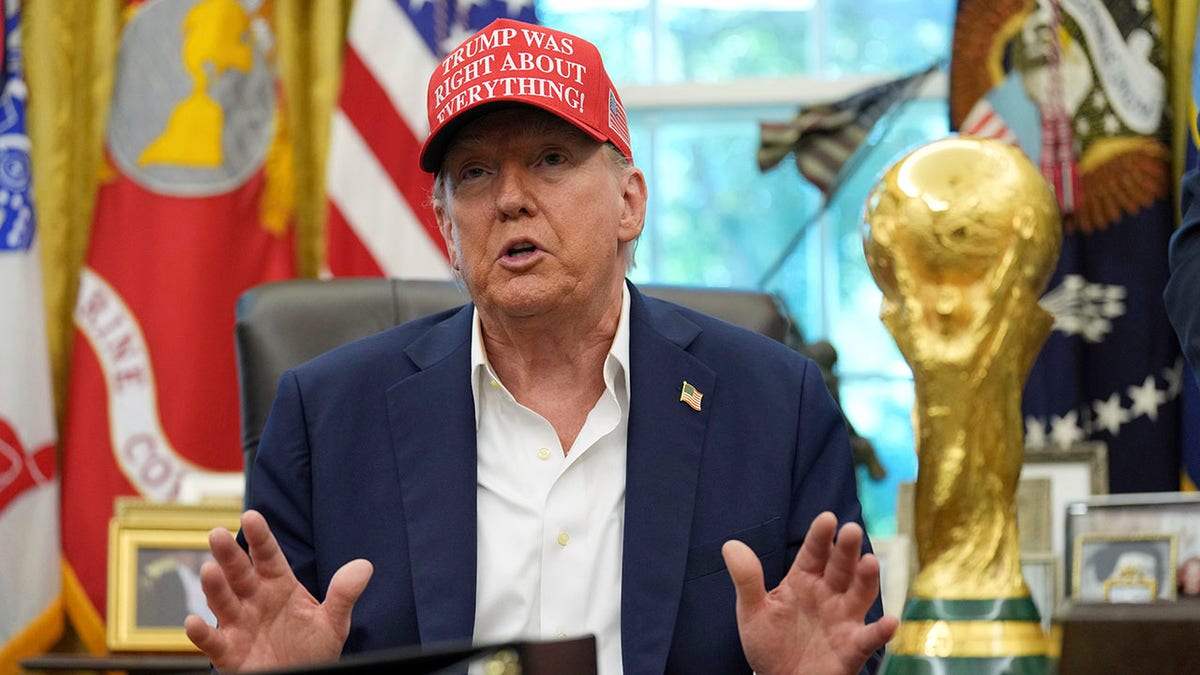
For those tracking the developments of this conflict, official updates are available through the U.S. Department of State and the official portals of the Ukrainian government. Maintaining an accurate understanding of these diplomatic shifts is essential as the international community navigates the complexities of a war that continues to redefine global geopolitical alignments.
Maria Petrova is the World Editor at World Today Journal. With over 14 years of experience in international reporting, she specializes in European security and human rights. Have thoughts on this report? Share your perspective in the comments below or join the discussion on our social channels.
Related reading
- Pregnant Venezuelan Woman Held by Federal Custody in Arizona as Husband Pleads for Help
- Inside the Crisis on the USS Abraham Lincoln: Exhaustion, Supply Failures, and the Iran War Breaking Point
- Trump Claims Total US Control of Strait of Hormuz as Iran Rejects Assertions (archyworldys.com)
- Ukraine Introduces Standardized HR Document Templates for Legal Entities (newsdirectory3.com)