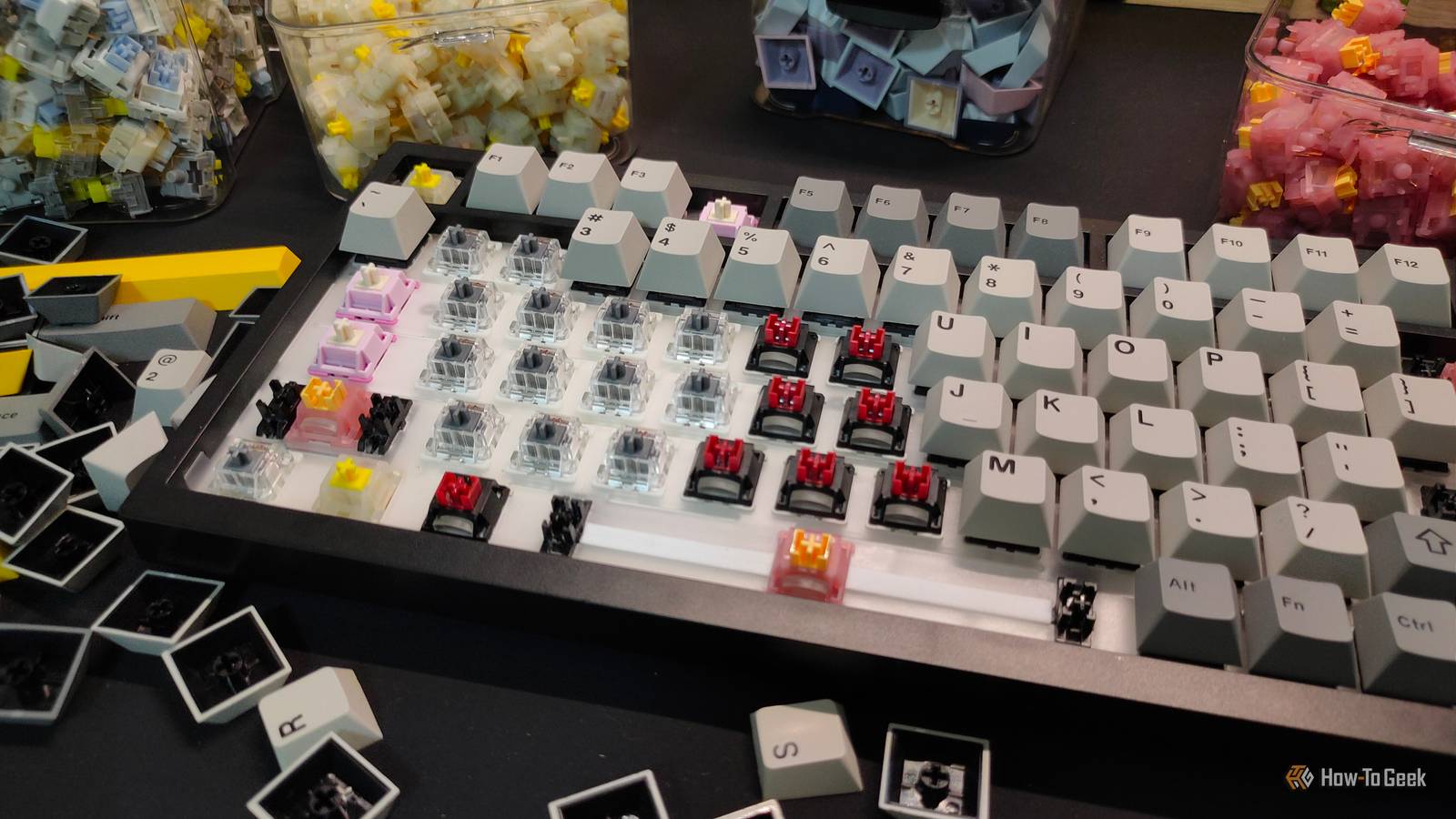
choosing your first mechanical keyboard can feel overwhelming, but it doesn’t have to be. Let’s break down everything you need to know to navigate this exciting world and find the perfect fit for your needs. I’ve found that understanding the core components and options will empower you to make an informed decision.
Why Mechanical Keyboards?
Mechanical keyboards offer a distinct typing experience compared to standard membrane keyboards. They utilize individual, mechanical switches under each keycap, providing tactile feedback, improved responsiveness, and greater durability. You’ll likely notice a significant difference in typing comfort and accuracy.
Understanding the Key Components
Several key elements contribute to the overall feel and performance of a mechanical keyboard. Here’s a closer look:
* Switches: These are the heart of a mechanical keyboard.Different switch types offer varying levels of tactile feedback, actuation force, and sound.
* Keycaps: These are the plastic caps you press. They come in various materials, profiles, and legends (the characters printed on them).
* Layout: This refers to the arrangement of keys. common layouts include full-size, tenkeyless (TKL), 75%, and 60%.
* Case: The case houses all the components. Materials like plastic, aluminum, and wood affect the keyboard’s weight, sound, and aesthetics.
* Plate: Located between the switches and the PCB, the plate adds stability and influences the typing feel.
Delving into Switch Types
Switches are categorized into three main types: linear, tactile, and clicky. Here’s what sets them apart:
* Linear Switches: these offer a smooth, consistent keystroke without any tactile bump. They’re favored by gamers for their speed and responsiveness.
* Tactile switches: These provide a noticeable bump when the key actuates, giving you feedback that the keypress has registered. They’re popular for typing, offering a satisfying and precise feel.
* Clicky switches: These combine the tactile bump with an audible click sound. They provide the most feedback but can be noisy.
Popular Switch Brands
Several brands dominate the mechanical keyboard switch market. Here are a few well-regarded options:
* Cherry MX: the industry standard, known for its reliability and wide range of switch options.
* Gateron: Offers excellent value and a smooth typing experience, often considered a great alternative to Cherry MX.
* Kailh: Known for its innovative switch designs and diverse offerings.
Keycap Materials and Profiles
Keycaps significantly impact the feel and appearance of your keyboard. Here’s what you should know:
* ABS Plastic: A common and affordable material, but it can become shiny over time with use.
* PBT Plastic: More durable and resistant to shine than ABS, offering a textured feel.
* Keycap Profiles: These refer to the shape and height of the keycaps. Popular profiles include Cherry, OEM, and DSA.
Choosing the Right Layout
The ideal layout depends on your needs and desk space. Consider these options:
* Full-Size: Includes all keys, including the number pad.
* Tenkeyless (TKL): Omits the number pad, saving space.
* 75%: A compact layout that retains function keys and arrow keys.
Keep reading
- DJI Osmo Pocket 4P: Features, Review, and Everything You Need to Know
- How YouTube Content ID Works: Automatic Copyright Detection
- The Senate Blue Slip, Explained: The Custom Trump Wants Gone (daybreakwire.com)
- Hoka Speedgoat 7 Review: Ultimate Trail Running Shoe for Rugged Terrain (world-today-news.com)