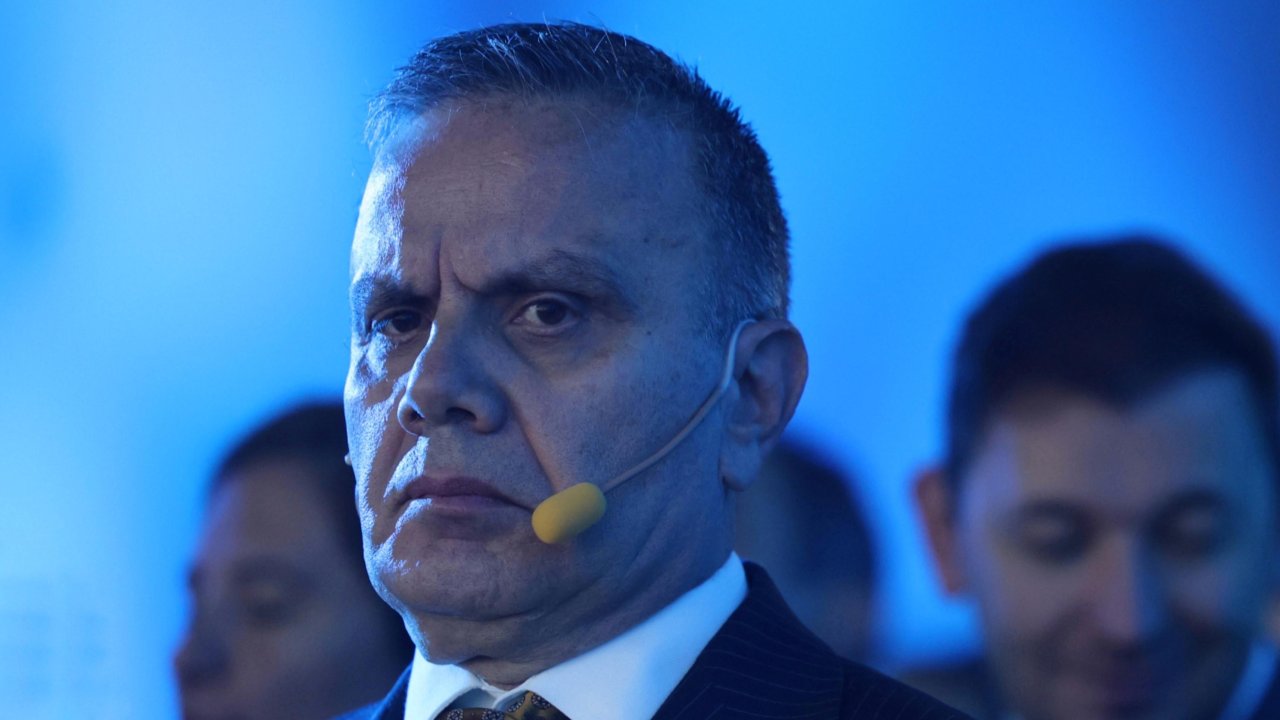
North Macedonia’s Deputy Minister of Foreign Affairs has accused Bulgarian media outlets of orchestrating a campaign of disinformation, marking a significant escalation in the ongoing diplomatic friction between Skopje and Sofia. The allegations center on claims that Bulgarian reporting regarding bilateral tensions is part of a broader, coordinated effort to destabilize the North Macedonian political landscape.
The accusations, which reflect a deepening rift between the two neighboring nations, follow a series of public disputes over historical narratives, minority rights, and European Union integration requirements. While Skopje officials characterize the current media environment as a form of “hybrid warfare,” Bulgarian authorities have largely maintained that their coverage reflects verified concerns regarding the treatment of Bulgarians in North Macedonia and the fulfillment of bilateral treaties, such as the 2017 Treaty of Friendship, Good Neighborliness and Cooperation.
The Context of Diplomatic Tensions
The recent diplomatic skirmish is tied to the long-standing impasse over North Macedonia’s path toward EU membership. Bulgaria has historically linked its support for the start of formal accession negotiations to constitutional changes in North Macedonia that would formally recognize the Bulgarian minority within the country’s legal framework. According to the Council of the European Union, the negotiation framework requires North Macedonia to implement specific legislative changes to protect minority rights as a prerequisite for advancing the integration process.
North Macedonian officials have increasingly described the pressure from Sofia as an external attempt to influence domestic policy. By framing the discourse as “disinformation,” the Deputy Foreign Minister suggests that the narrative presented by Bulgarian media is not merely critical, but purposefully misleading. This rhetoric aligns with a broader trend of “hybrid threat” accusations, where regional actors use information campaigns to exert pressure during sensitive geopolitical negotiations.
Security Perspectives on Regional Provocations
The claims of disinformation are viewed by some security analysts as part of a larger, systemic struggle for influence in the Western Balkans. Velizar Shalamanov, former Bulgarian Minister of Defense, has publicly argued that the current provocations are not isolated incidents but are symptomatic of a wider strategy, potentially involving external actors like Russia, aimed at stalling the enlargement of democratic institutions in the region.
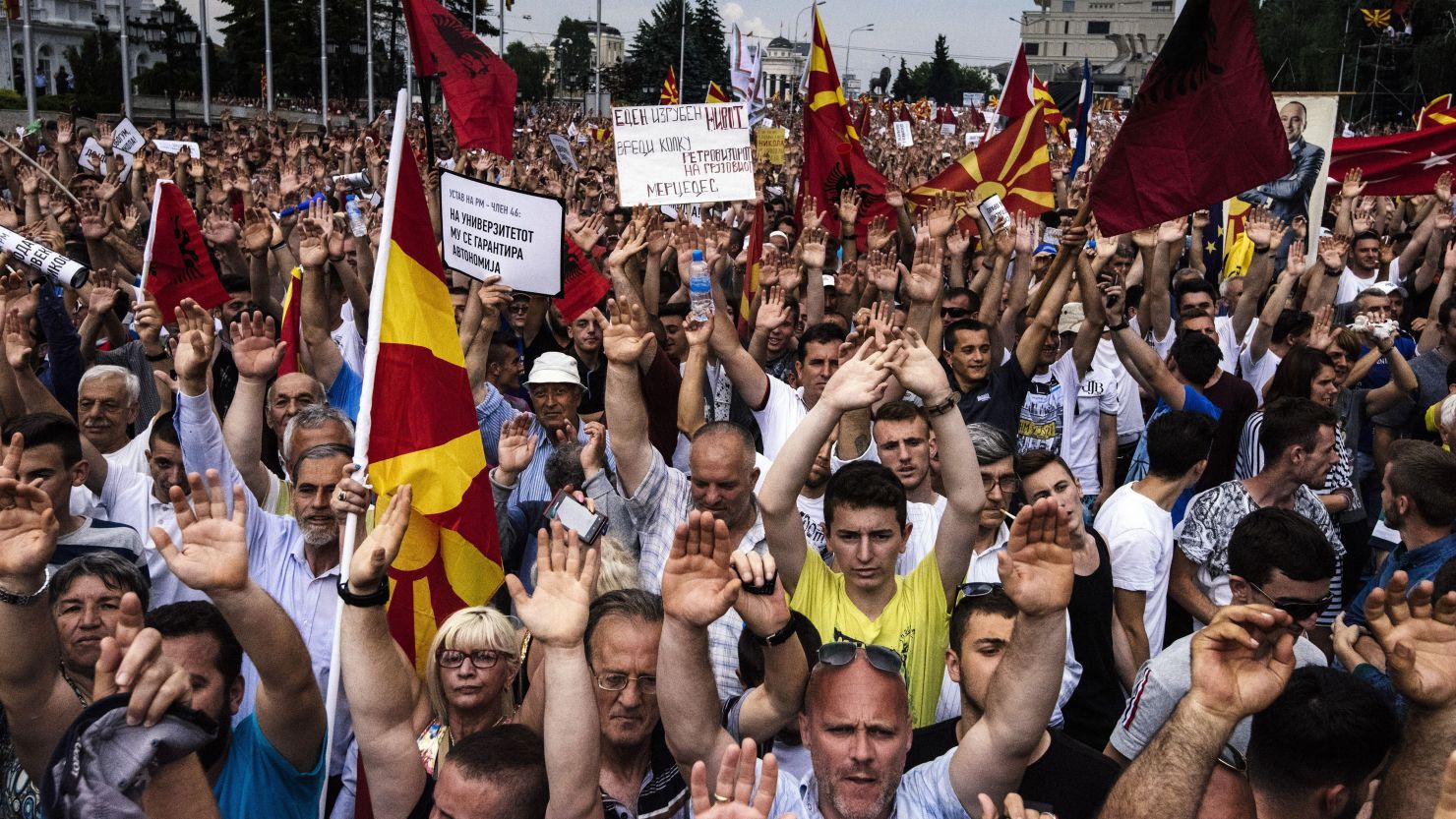
Shalamanov’s assessment, which highlights the risk of third-party interference in regional disputes, emphasizes the vulnerability of the Balkan Peninsula to information manipulation. According to the NATO Cooperative Cyber Defence Centre of Excellence, hybrid threats often combine conventional diplomatic pressure with cyber-enabled disinformation to exploit existing societal divisions. For observers in London and across Europe, the dispute serves as a case study in how historical grievances can be weaponized in the digital age to prevent policy convergence.
The Role of Media in Bilateral Relations
The accusations from Skopje raise critical questions about the role of the press in international diplomacy. In many instances, the media acts as both a mirror and a catalyst for national sentiment. When outlets in Sofia report on the alleged suppression of Bulgarian identity in North Macedonia, the reporting is often perceived in Skopje as a nationalist provocation. Conversely, when North Macedonian officials label such reporting as “disinformation,” it is viewed in Bulgaria as an attempt to suppress legitimate human rights concerns.
This cycle of accusation and counter-accusation complicates the work of diplomats tasked with finding a middle ground. The OSCE Representative on Freedom of the Media has consistently advocated for professional journalism as a tool for de-escalation, noting that inflammatory rhetoric from political figures often limits the space for independent reporting. As the situation evolves, the reliance on verified, objective information becomes increasingly vital for both the Bulgarian and North Macedonian publics to understand the true nature of the diplomatic deadlock.
What Happens Next
There are no immediate signs of a cooling-off period in the rhetoric between the two capitals. The next significant checkpoint for these relations will likely be the upcoming sessions of the Joint Multidisciplinary Expert Commission on Historical and Educational Issues. This commission, established under the 2017 treaty, remains the primary, albeit strained, venue for resolving the historical disputes that underpin much of the current media conflict.

Observers are also watching for any formal responses from the European Commission, which acts as a mediator in the accession process. Any further escalation in the “disinformation” narrative could force the EU to issue a more direct statement on the necessity of regional cooperation and responsible political communication. For now, the public remains caught between competing narratives, with little clarity on when a breakthrough in bilateral relations might be achieved.
Readers interested in the latest official updates on these diplomatic developments can monitor the Bulgarian Ministry of Foreign Affairs portal or the Ministry of Foreign Affairs of North Macedonia for official press releases regarding the ongoing negotiations.
Keep reading