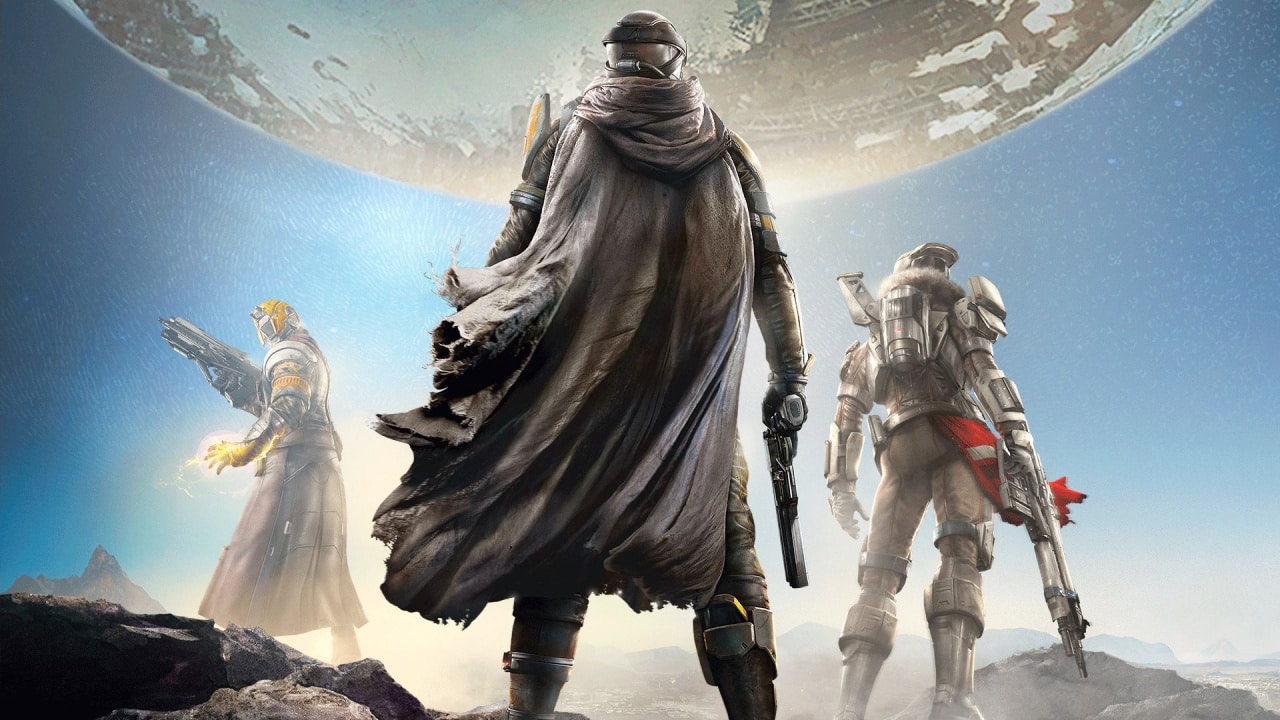
As the landscape for long-running live-service titles continues to shift, the future of the Destiny franchise has become a focal point of intense discussion within the gaming community. Recently, players have mobilized in significant numbers to express their desire for a sequel, specifically calling for the development of Destiny 3. This movement highlights the deep emotional and financial investment that users have placed in the series since its inception.
Bungie, the Bellevue, Washington-based studio behind the franchise, remains a subsidiary of Sony Interactive Entertainment, a partnership finalized in 2022. While the studio has navigated various transitions since its founding in 1991—including its time under Microsoft and its decade-long publishing agreement with Activision—the current discourse centers on the long-term sustainability of its most prominent ongoing project. As a technology editor who has followed the industry for nearly a decade, I have observed that such petitions often serve as a barometer for player sentiment, reflecting a collective hope for a modernized iteration of a beloved digital world.
The Evolution of a Franchise
The Destiny series has been a cornerstone of the first-person shooter genre since the original title launched in 2014. Following the release of Destiny 2 in 2017, Bungie transformed the franchise into a sprawling live-service ecosystem. This model requires constant iteration, updates, and server maintenance, which inherently creates a tension between the longevity of a single platform and the demand for a comprehensive, next-generation sequel.
According to official company history, Bungie has focused on building worlds that foster social interaction and friendship, a mission that has defined its work from the early days of Marathon and Myth to the modern era of Destiny. The studio’s transition to an independent company in 2007, and its subsequent acquisition by Sony, has significantly altered the resources and strategic direction available to the development team. Fans are now looking toward these new corporate structures with the expectation that the studio might prioritize a new entry over the continued maintenance of the current title.
Community Sentiment and Industry Trends
The recent surge in fan-driven petitions indicates a growing desire for a fresh start, often referred to by the community as a “clean slate” for the game’s mechanics and narrative. In the world of software engineering, maintaining a legacy codebase while simultaneously attempting to integrate massive new features can present significant technical challenges. A dedicated sequel, such as a hypothetical Destiny 3, would theoretically allow the developers to implement a new engine architecture, potentially resolving technical debt that has accumulated over the years of Destiny 2‘s operation.
However, the transition from a live-service model to a new title is a complex business decision. When a studio shifts focus, it must balance the needs of its existing player base—who have spent years collecting digital assets—with the potential for growth that a new product brings. This is a common challenge in the modern gaming market, where the “game-as-a-service” model is often scrutinized for its ability to maintain player engagement over extended periods.
What Lies Ahead for Bungie
For players and industry observers alike, the next steps for the Destiny franchise will likely be dictated by Bungie’s internal roadmap and its strategic alignment with Sony Interactive Entertainment. As of May 2026, the studio continues to operate from its headquarters in Bellevue, maintaining its focus on its core intellectual properties. While petitions can provide valuable feedback regarding player desires, the technical and financial feasibility of a new title remains a matter for the developers and their stakeholders to determine.
As we monitor the situation, the most reliable source for information remains the official Bungie website. The studio frequently updates its communication channels regarding the status of its projects and the long-term vision for its titles. For those interested in the future of the series, keeping an eye on official announcements is the best way to separate speculation from confirmed development plans.
The gaming industry is inherently volatile, and the passion shown by the Destiny community is a testament to the impact that the studio’s work has had on its audience. Whether this current wave of advocacy will influence the studio’s long-term production schedule remains to be seen. In the meantime, the conversation around the potential for a third entry in the series continues to grow, underscoring the enduring appeal of the Destiny universe.
We invite our readers to share their thoughts on the evolution of live-service gaming. Are you in favor of a new sequel, or do you prefer the continued support of existing platforms? Join the conversation in the comments section below and let us know your perspective on the future of this iconic franchise.
Related reading
- Why Regulatory Readiness is a Competitive Advantage for CIOs
- Italian Driver Avoids Speed Camera Fines Legally: How He Did It
- Evangelion: 1.0 Ichiban Kuji Generates Massive Buzz for Rei Ayanami Prize (world-today-news.com)
- Audi Unveils the Massive New Q9: Its Biggest and Heaviest SUV Yet (news-usa.today)