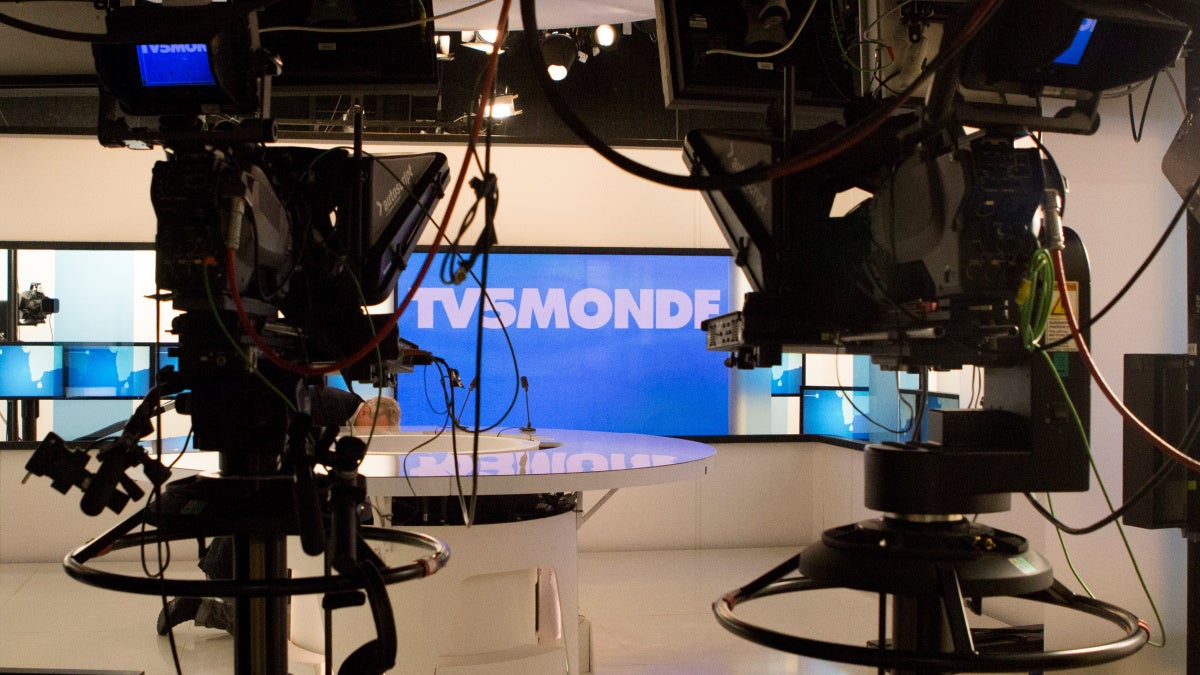
Burkina Faso’s Junta Escalates Attack on Information: TV5Monde Suspended Amid Crackdown on Dissent
The military authorities in Burkina Faso have tightened their grip on the flow of information, ordering the suspension of the French broadcaster TV5Monde on May 5. The move, directed by the country’s media regulator, comes amid accusations of “disinformation” and “apology of terrorism” regarding the channel’s reporting on Islamist armed groups within Burkina Faso and neighboring Mali.
This latest action is not an isolated incident but part of a recurring pattern of censorship. TV5Monde, which reaches millions of viewers across more than 200 countries and is among the most widely watched international channels on the African continent, had already been suspended twice in 2024. It currently remains off the air in Mali following similar allegations from that government.
The suspension follows TV5Monde’s coverage of escalating insecurity in Mali, specifically referencing coordinated attacks on April 25 carried out by separatist rebels and an Al Qaeda-linked armed group. The broadcaster highlighted grave violations committed by government security forces in Burkina Faso, including findings from Human Rights Watch regarding war crimes and crimes against humanity committed by all sides in the conflict.
A Systematic Campaign to Silence Dissent
Since seizing power in a 2022 coup, the military junta has engaged in a broad campaign to dismantle the country’s civic space and silence critical voices. This effort extends beyond the suspension of international broadcasters to include the dismantling of civil society groups, the curtailment of political pluralism and the pursuit of aggressive legal action against critics.

The crackdown has targeted a wide spectrum of professionals, including judges, political opponents, civil society members, and journalists. Reports indicate that the junta has employed tactics of intimidation, arbitrary detention, and unlawful conscription to maintain control. In some of the most severe cases, individuals have been forcibly disappeared.
A prominent example of this repression is the case of Atiana Serge Oulon, an investigative journalist who was forcibly disappeared in June 2024. Oulon was allegedly tortured, and as of May 2026, his whereabouts remain unknown. Such actions create a chilling effect across the Burkinabè media landscape, where the risk of disappearance or detention looms over those who attempt to report on government misconduct.
The Rise of the ‘Propaganda Machine’
The systematic removal of independent media has created a vacuum that the military government has filled with state-sponsored misinformation. This strategy aims to replace objective reporting with a curated narrative that favors the regime and marginalizes opposition.
Alioune Tine, a renowned human rights activist and founder of the think tank Afrikajom Center, has been vocal about this shift, stating, “Burkina Faso has become a propaganda machine.” According to Tine, the government is not merely suppressing information but actively manufacturing a false reality to maintain its grip on power.
Central to this effort are the “Rapid Communication Intervention Battalions.” These are coordinated digital groups of pro-junta activists who flood social media platforms with messaging designed to promote a cult of personality around President Ibrahim Traoré. These digital militias work to discredit critics, attack perceived enemies of the state, and undermine the credibility of international human rights organizations.
Weaponizing Information and Ethnic Tensions
The junta’s approach to information control has a dangerous real-world impact, particularly regarding ethnic relations. The coordinated messaging spread by pro-junta activists often moves beyond political propaganda into the realm of hate speech, and incitement.
There has been a surge in widespread anti-Fulani rhetoric, where digital campaigns falsely equate the entire Fulani community with Islamist armed groups. By framing an entire ethnic group as terrorists, these narratives incite hostility and violence against Fulani people, further destabilizing a region already ravaged by conflict.
This weaponization of information serves a dual purpose: it provides a convenient scapegoat for the government’s inability to curb terrorism and justifies the continued suspension of human rights and civil liberties under the guise of national security.
Key Takeaways on the Information Crackdown
- Media Suspensions: The May 5 suspension of TV5Monde is the latest in a series of bans targeting international outlets reporting on human rights abuses.
- Civic Erosion: Since the 2022 coup, the junta has targeted journalists, judges, and activists through arbitrary detention and forced disappearances.
- State Propaganda: The “Rapid Communication Intervention Battalions” are used to build a cult of personality around President Ibrahim Traoré and attack critics.
- Ethnic Incitement: State-aligned digital campaigns have promoted anti-Fulani rhetoric, falsely linking the community to Islamist insurgency.
- Human Rights Concerns: Reports of war crimes and crimes against humanity by security forces are being suppressed to avoid public accountability.
The Implications for Press Freedom in the Sahel
The situation in Burkina Faso is reflective of a broader trend across the Sahel, where military regimes have increasingly viewed independent journalism as a threat to national stability. By labeling reporting on security failures or human rights violations as “disinformation” or “apology of terrorism,” these governments effectively criminalize the act of journalism.
When international broadcasters like TV5Monde are silenced, the Burkinabè people lose access to diverse perspectives and verified information. This isolation makes the population more susceptible to state-sponsored misinformation and the inflammatory rhetoric of digital militias.
The right to receive and impart information is a fundamental human right. For Burkina Faso to move toward a stable and just society, international observers and human rights advocates argue that the leadership must reverse the ban on TV5Monde, finish the persecution of independent journalists, and uphold the basic principles of freedom of expression.
The international community continues to monitor the status of disappeared journalists like Atiana Serge Oulon, as the lack of transparency regarding their fate remains a critical point of contention between the junta and global human rights bodies.
The next critical checkpoint for international observers will be the upcoming reviews by regional human rights monitors and the potential for further sanctions or diplomatic pressure regarding the treatment of political prisoners and the restoration of media freedoms.
Do you believe international pressure can effectively restore press freedom in military-led regimes? Share your thoughts in the comments below or share this article to keep the conversation going.
Worth a look