unlocking the Secrets of Butterfly Wing Patterns: A Genetic Breakthrough
Butterflies have long captivated us with their stunning array of colors and patterns. But have you ever wondered how such remarkable diversity arises from a single genome? Recent research has pinpointed a key player in this evolutionary puzzle: the doublesex gene, and more specifically, the subtle genetic switches that control its activity.
For years, scientists have been intrigued by “supergenes” - clusters of genes inherited together that control complex traits like mimicry in butterflies. understanding how these supergenes work is crucial to unraveling the mysteries of biodiversity. This new study offers a meaningful leap forward in that understanding.
The Case of the Papilio alphenor Butterfly
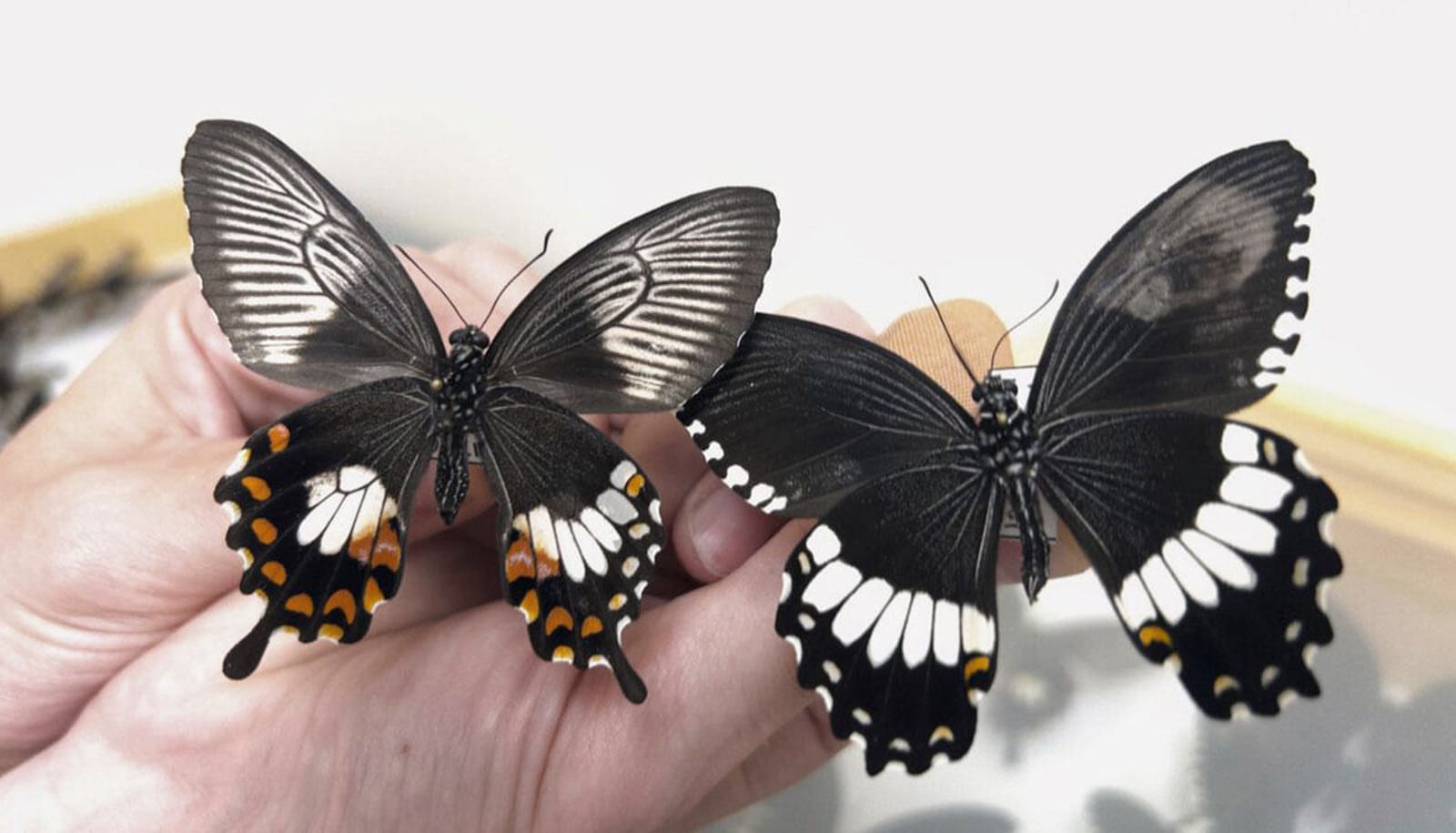
Researchers focused on the Papilio alphenor butterfly, a species exhibiting a engaging phenomenon called female-limited polymorphism. This means that while males have a consistent wing pattern, females display a striking variation – some mimic other, less palatable butterflies for protection.
Traditionally,scientists assumed changes in protein structure were responsible for these dramatic differences. However,the team discovered something unexpected.
It’s Not the Gene, It’s How it’s Used
Instead of alterations within the doublesex gene itself, the changes lie in the surrounding DNA. Specifically, researchers identified six newly acquired “cis-regulatory elements” – stretches of non-coding DNA that act like genetic switches.
Here’s what they found:
* These elements interact directly with the doublesex protein.
* They effectively “re-wire” the gene’s expression, turning it on in a diffrent way.
* This altered expression generates the mimetic wing patterns seen in some female butterflies.
This is a remarkable discovery, suggesting the gene is, in a sense, regulating itself. It’s a surprising twist in the story of evolution.
A Cascade of Color Control
The impact of these regulatory elements extends beyond just the doublesex gene. Researchers also found that the new allele controls color patterns by influencing other genes involved in body plan progress and wing patterning. this demonstrates a complex interplay of genetic factors working in concert.
What This Means for Future Research
This research provides a crucial roadmap for future investigations. you now know precisely where to look for the genetic switches that control color patterns – within these cis-regulatory elements.
Moreover, this isn’t limited to just one species. Closely related butterflies exhibit similar mimicry switches, also controlled by the doublesex gene. This suggests a common evolutionary origin for this fascinating trait.
As researchers continue to explore these genetic mechanisms, we’ll gain a deeper understanding of how biodiversity evolves. Butterflies, with their incredible diversity, offer a perfect system for studying these processes. They provide a wealth of data and a compelling example of the power of genetic variation.
This breakthrough opens exciting new avenues for exploring the origins of biodiversity and the intricate dance between genes and evolution. It’s a testament to the power of scientific curiosity and the beauty of the natural world.
Worth a look