Evaluating a historic property, such as a 19th-century farmhouse in the Allgäu region, requires a systematic approach to technical due diligence, particularly when considering energy efficiency upgrades. Prospective buyers must weigh the structural integrity of buildings dating to the 1870s against modern renovation standards, specifically the integration of renewable energy systems like photovoltaic arrays. According to the Deutsche Stiftung Denkmalschutz, historical structures in this region often feature unique architectural characteristics that necessitate specialized planning before any technical modifications are implemented.
When assessing a property that has undergone multiple renovations—most recently in 2012—experts recommend prioritizing a comprehensive professional inspection of the building envelope. This process ensures that the “old building” (Altbau) status is reconciled with current energy regulations. In Germany, the Gebäudeenergiegesetz (GEG) provides the legal framework for energy performance requirements, which significantly influence the feasibility of installing modern solar technology on heritage or older rural structures.
Conducting the Initial Property Review
The primary concern for any buyer of a 19th-century farmhouse is the condition of the load-bearing elements and the insulation standard established during the last major renovation. While a 2012 update likely addressed some heating or window efficiency, older masonry and timber-frame constructions often harbor hidden moisture issues or thermal bridges. The Verbraucherzentrale suggests that a professional energy audit should be the first step for any buyer, as it identifies whether the roof structure can support the additional weight of photovoltaic modules without requiring expensive reinforcement.
When inspecting the property, focus on the electrical infrastructure. If the wiring was not fully replaced during the 2012 renovations, it may not meet the current requirements for feeding solar energy back into the grid. Engaging a certified electrician to review the existing distribution board is essential to avoid unforeseen costs during a solar installation project.
Evaluating Photovoltaic Potential on Historic Roofs
Integrating photovoltaic (PV) systems into traditional Allgäu architecture presents both aesthetic and technical challenges. Regional authorities often impose strict guidelines on roof modifications to preserve the local landscape, a practice supported by the Bayerisches Landesamt für Denkmalpflege. Before committing to a PV system, buyers should verify whether the property is subject to local preservation statutes (Denkmalschutz) that might restrict the visual impact of solar panels.
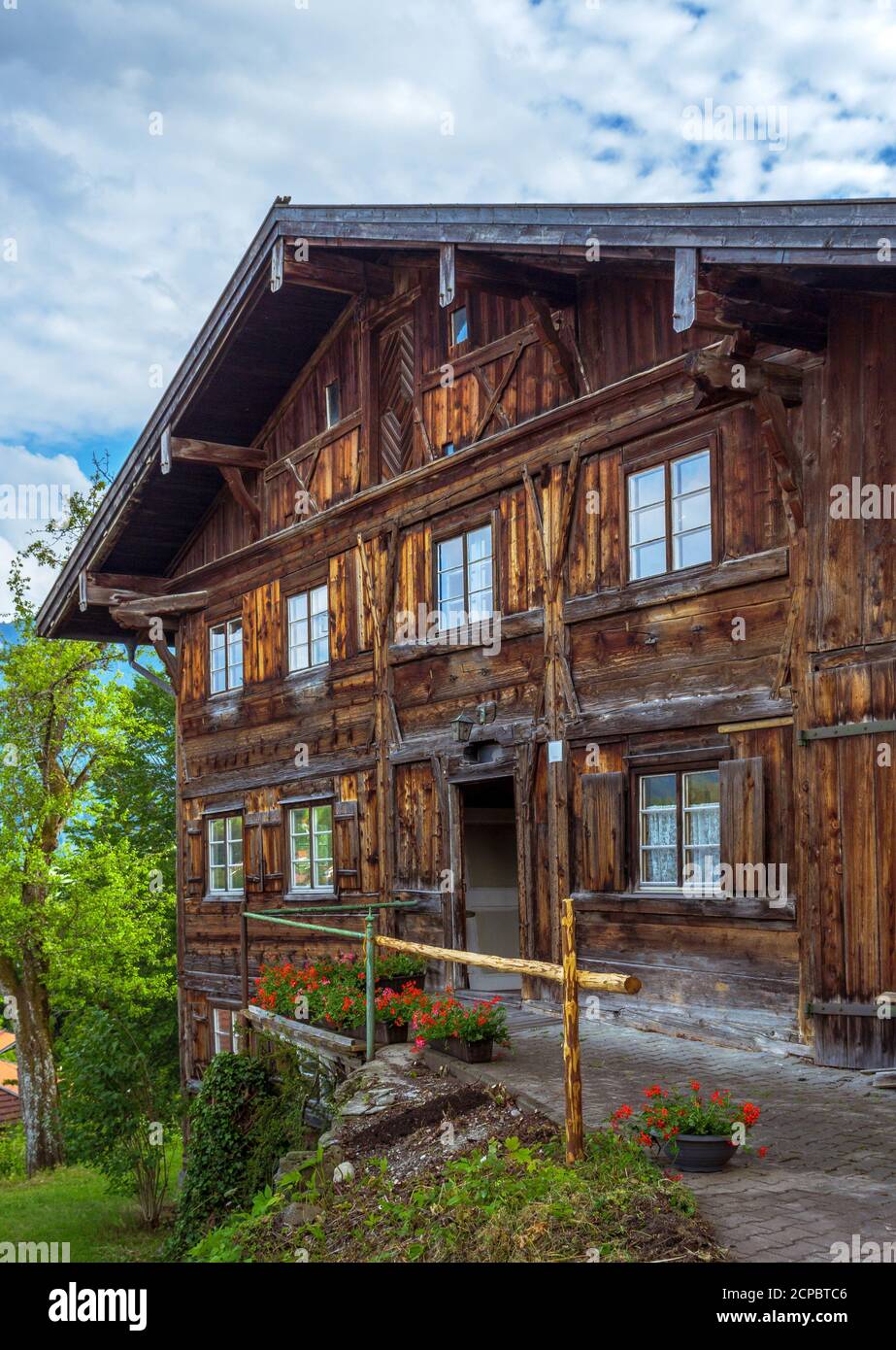
From a technical standpoint, the orientation and pitch of a 19th-century farmhouse roof are rarely optimized for solar yield. However, modern thin-film technology or roof-integrated PV systems can offer solutions that are more sympathetic to the building’s historical character than standard rack-mounted panels. According to the Photovoltaikforum, a community-driven resource for solar energy, the key to a successful installation is calculating the expected return on investment (ROI) against the higher installation costs associated with non-standard, historic roof geometries.
The Intersection of Heritage and Modern Energy
A balanced approach to renovating a legacy property involves prioritizing “fabric-first” improvements before installing renewable energy hardware. This means addressing insulation, ventilation, and heating systems to reduce overall demand. As noted by the KfW Bankengruppe, financing for energy-efficient renovations is often tied to meeting specific efficiency classes. For an 1870s farmhouse, achieving these standards requires a clear roadmap, often documented in a formal Sanierungsfahrplan.
Buyers should also investigate the existing heating system. If the 2012 renovation included the installation of a heat pump, the property may already be well-positioned to integrate with a new solar array. If the system relies on older boiler technology, the synergy between solar electricity and heating must be re-evaluated to ensure the system is economically viable.
Next Steps for Prospective Buyers
The next scheduled step for any serious buyer is to request the building’s energy performance certificate (Energieausweis) and the documentation from the 2012 renovation work. These documents serve as the foundation for any subsequent technical discussions with architects or solar installers. It is recommended that buyers consult with a certified energy consultant (Energieberater) listed in the Bundesstelle für Energieeffizienz registry before finalizing any purchase contracts.
We welcome your insights on managing historic renovations and solar integration. Please share your experiences with property assessments or renewable energy planning in the comments below.
Keep reading