
Donald Trump has asserted that Iran shot down a U.S. helicopter, claiming that the United States “must” respond to the incident. The former president also stated that the two pilots involved in the encounter were unharmed and safe, according to his recent statements.
As of current reporting, the U.S. Department of Defense and the Pentagon have not issued any official confirmation regarding a helicopter shoot-down or any recent kinetic engagement between Iranian forces and U.S. military aircraft. Major international news agencies, including Reuters and the Associated Press, have not reported on a confirmed military strike of this nature in the current period.
Details of the Claim and Reported Pilot Status
The assertion from the former president suggests a significant escalation in the long-standing military tensions between Washington and Tehran. While the specific location and timing of the alleged shoot-down were not detailed in the initial claim, Trump emphasized the necessity of a military or strategic response from the United States.
Regarding the personnel involved, Trump stated that the two pilots were “unharmed and safe.” This detail aims to mitigate immediate concerns regarding casualties, though the lack of corroboration from military officials leaves the operational details of the event unverified. Without a formal statement from the U.S. Department of Defense, the specifics of the aircraft type, the flight path, or the method of the alleged shoot-down remain speculative.
The Verification Gap: Official Military Silence
In standard military protocols, an incident involving the loss or engagement of a U.S. military asset is typically accompanied by a briefing from the Pentagon or a statement from U.S. Central Command (CENTCOM). To date, no such briefing has occurred regarding a helicopter engagement in Iranian-controlled airspace or near U.S. assets in the Middle East.
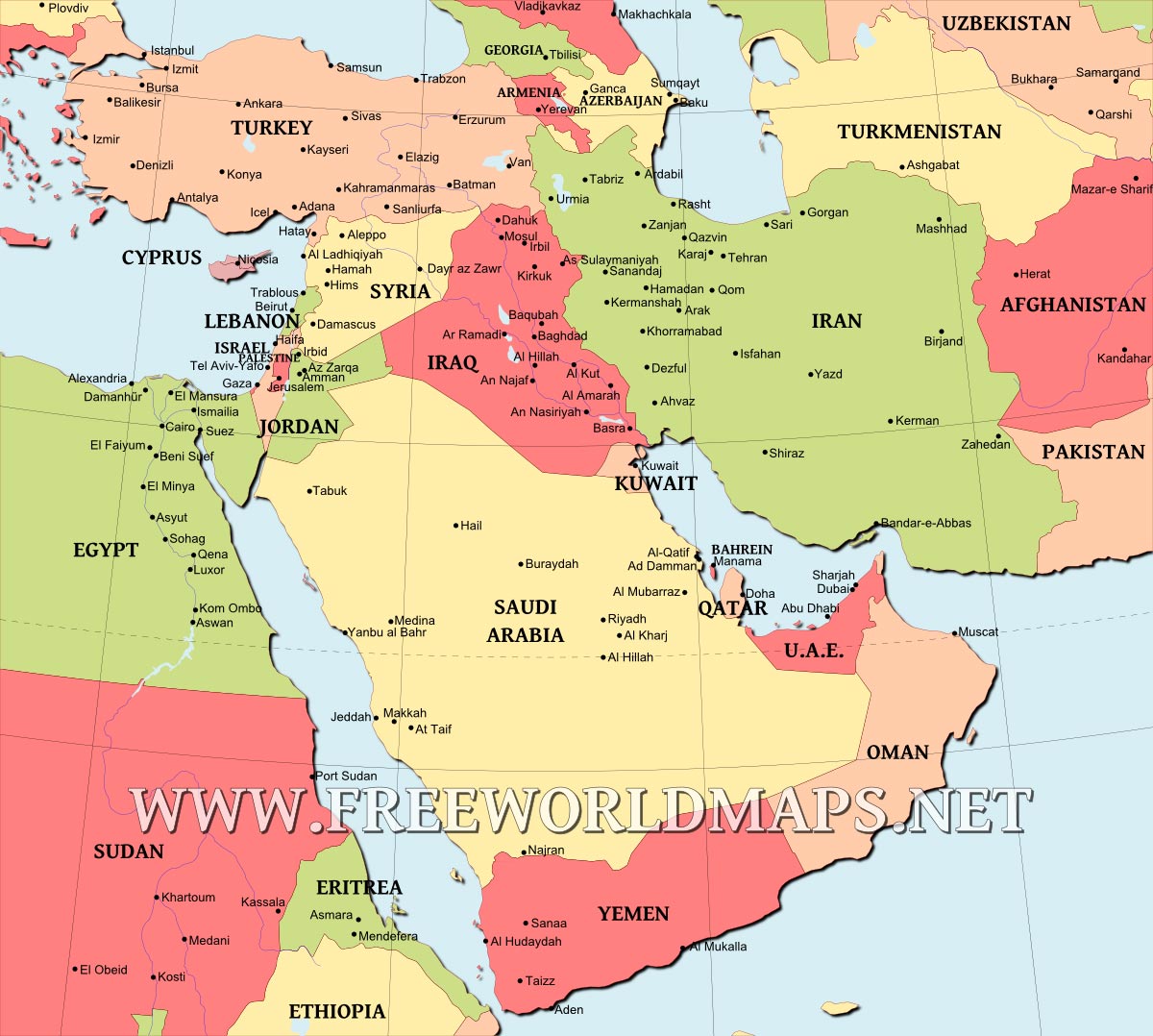
Journalistic scrutiny remains focused on the discrepancy between these personal assertions and the official silence from the current administration’s defense leadership. Analysts note that until the Pentagon provides a formal report or a “not confirmed” statement, the claim exists as an unverified political assertion rather than a documented military event. The absence of reporting from high-authority news outlets further suggests that the incident has not been logged in official military or diplomatic channels.
Historical Context of U.S.-Iran Military Tensions
The claim of a helicopter shoot-down occurs against a backdrop of frequent, high-stakes confrontations between the two nations. To understand the gravity of such an assertion, it is necessary to look at previous verified escalations that have shaped current U.S. Middle East policy.
A notable precedent occurred in June 2019, when Iranian air defense systems shot down a U.S. RQ-4 Global Hawk surveillance drone over the Strait of Hormuz. At that time, the Trump administration responded with a retaliatory strike on Iranian facilities, though the escalation was eventually de-escalated. The 2019 incident serves as a primary example of how direct kinetic actions by Iran against U.S. assets have historically triggered immediate calls for military responses and heightened regional instability.
Other significant points of tension include:
- The 2020 Soleimani Strike: The targeted killing of Iranian General Qasem Soleimani by a U.S. drone strike, which led to retaliatory missile attacks on U.S. bases in Iraq.
- Maritime Security: Frequent reports of Iranian forces intercepting or harassing commercial and military vessels in the Strait of Hormuz.
- Proxy Engagements: Ongoing conflicts involving Iranian-backed groups in Lebanon, Yemen, and Iraq, which frequently place U.S. forces in proximity to hostile actors.
Why This Claim Matters for Regional Stability
If an engagement of this nature were to be verified, it would represent a major shift in the current “gray zone” warfare—a state of constant tension that avoids full-scale conventional war but involves frequent provocations. Such an event would likely force the U.S. government to choose between a significant military escalation or a diplomatic de-escalation strategy.
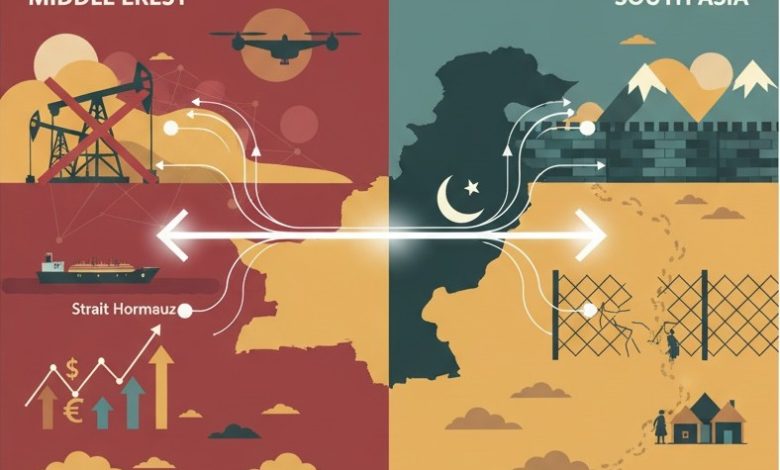
The impact of such a development would extend beyond military movements. It would affect global energy markets, specifically oil prices in the Persian Gulf, and could compel allies in the region to adjust their defensive postures. The call for a response, as phrased by Trump, mirrors the “maximum pressure” campaign previously utilized to navigate relations with Tehran, a policy that remains a central point of debate in U.S. foreign policy circles.
Summary of Current Status
| Detail | Claimed Status (Trump) | Official Pentagon Status |
|---|---|---|
| Helicopter Shoot-down | Confirmed by Trump | Unconfirmed / No record |
| Pilot Safety | Unharmed and safe | No official comment |
| U.S. Response | Mandatory (“Must respond”) | No official stance issued |
The international community is currently awaiting official communication from the U.S. Central Command or the White House to clarify whether any military assets were indeed engaged. Until such documentation is provided, the claim remains an isolated assertion without corroborating evidence from the Department of Defense.
The next scheduled checkpoint for verification will be the next official Department of Defense press briefing or a formal statement from the Pentagon’s press office regarding regional operations.
What are your thoughts on the current state of U.S.-Iran relations? Share your views in the comments below and share this article to keep your network informed.
Keep reading
- Experts Warn Deadly Virus Could Spread Rapidly in Weeks
- Paw Patrol Dino Rescue: T-Rex Dentist & Volcano Awakening Guide
- Federal Reserve Chair Kevin Warsh Resists Trump Rate Cuts Amid Inflation (archyworldys.com)
- Trump Legal Team Defends Accountability Efforts Amid Ongoing Proceedings (world-today-news.com)