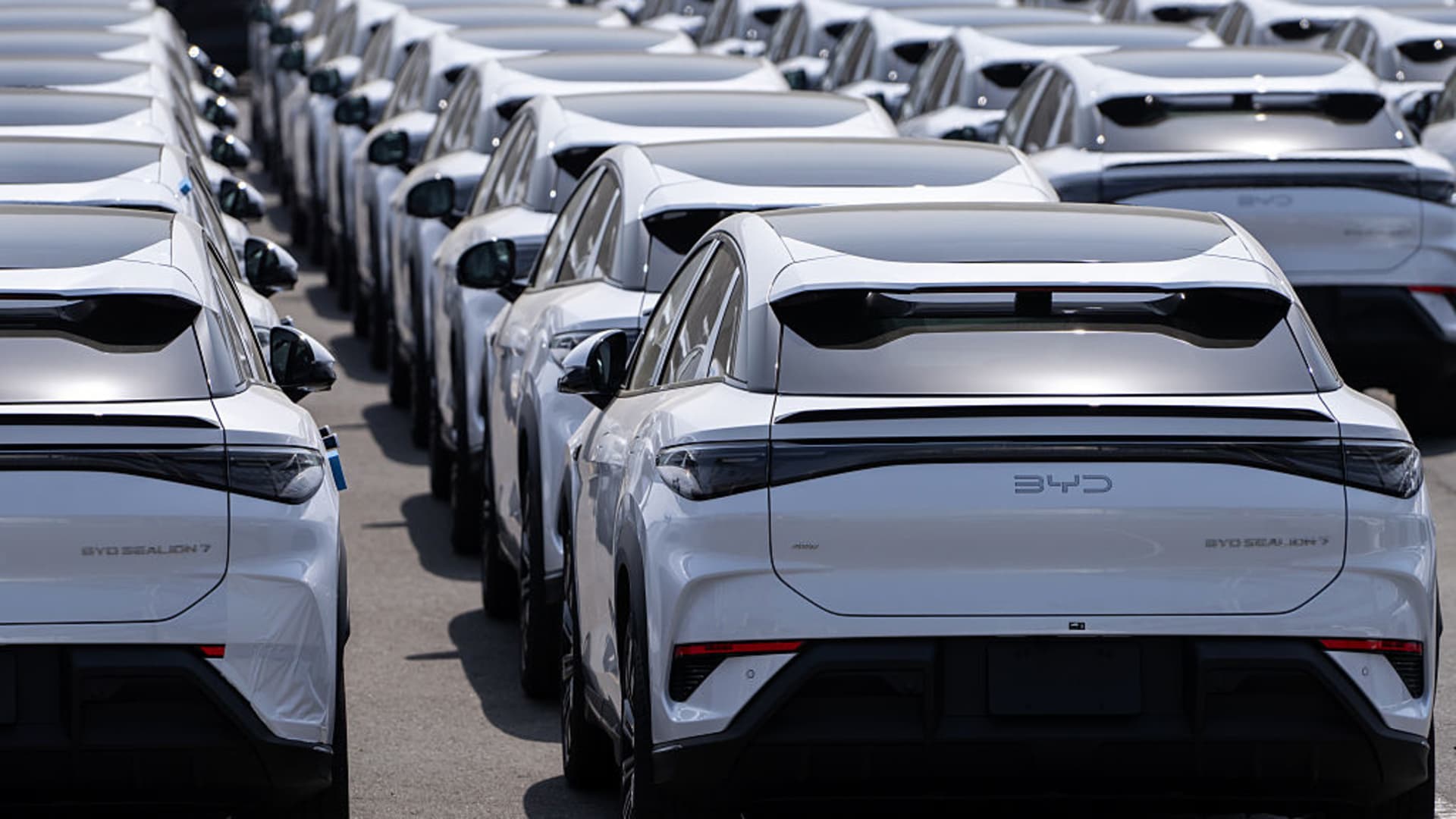
BYD Surpasses Tesla: The Dawn of a New EV Era?
The automotive landscape is undergoing a seismic shift, and 2025 might potentially be remembered as the year the tide turned. While final numbers are still being tallied, all indicators point to electric vehicle (EV) giant BYD overtaking Tesla as the world’s top-selling EV manufacturer. This isn’t just a change in sales figures; it represents a potential power shift in the rapidly evolving global automotive industry. This article delves into the details of BYD’s remarkable performance, Tesla’s challenges, and what this means for the future of EV sales, the competitive landscape, and consumers. We’ll explore the factors driving this change, analyze the implications, and provide insights into what to expect next.
The Numbers Speak Volumes: BYD’s 2025 Performance
BYD announced a remarkable 28% surge in its battery-powered car sales, reaching a staggering 2.26 million units in 2025. This figure significantly outpaces current estimates for Tesla, solidifying BYD’s position as a dominant force in the EV market. This growth isn’t accidental; it’s the result of strategic investments in battery technology, a diverse product portfolio, and a strong foothold in the crucial Chinese market.
Key Sales Comparison (2025 Estimates):
| Manufacturer | Estimated Sales (Units) |
|---|---|
| BYD | 2,260,000 |
| Tesla | 1,600,000 |
Source: BYD Official Statement, Tesla Delivery Estimates (January 2026)
Did You No? BYD stands for “Build Your Dreams,” reflecting the company’s ambitious vision for the future of transportation.
Tesla’s Headwinds: A Year of Challenges
Tesla, once the undisputed king of the EV hill, faced a more turbulent 2025. Estimates currently place Tesla’s 2025 vehicle deliveries around 1.6 million units – an approximately 8% decrease from 2024. This marks the company’s second consecutive year of declining deliveries. Several factors contributed to this slowdown. Increased competition, especially from Chinese EV manufacturers like BYD, significantly eroded Tesla’s market share. Furthermore, Elon Musk’s controversial statements and the associated reputational fallout also played a role, impacting consumer sentiment.
However, Tesla isn’t down for the count. Recent gains in its stock price, fueled by advancements in autonomous driving technology – specifically, driverless vehicle testing in Austin, Texas – demonstrate the company’s continued innovation and potential for recovery. The success of these advancements will be crucial in regaining lost ground.
Decoding the Shift: Factors Driving BYD’s Success
BYD’s ascent isn’t simply about Tesla’s struggles. It’s a testament to the company’s strategic advantages:
* Battery Technology Leadership: BYD is a vertically integrated manufacturer,producing its own batteries – including the innovative Blade battery,known for its safety and energy density.This control over a critical component gives BYD a significant cost advantage and supply chain resilience.
* Strong Domestic Market: China is the world’s largest EV market, and BYD has a dominant position within it. this provides a massive base for sales and allows for rapid scaling.
* Diverse Product Portfolio: BYD offers a wider range of EV models, including affordable options, catering to a broader customer base than Tesla’s more premium-focused lineup. This includes hybrid vehicles, further expanding their reach.
* Global Expansion: BYD is aggressively expanding its presence in international markets, including Europe, South America, and Southeast Asia, challenging Tesla’s global dominance.
Pro Tip: When evaluating EV investments, consider the manufacturer’s battery technology and supply chain control. These are key indicators of long-term sustainability.
The Broader Implications: What Does This Mean for the EV Market?
BYD surpassing Tesla signals a essential shift in the EV landscape. It’s no longer a one-horse race. Hear’s
Related reading