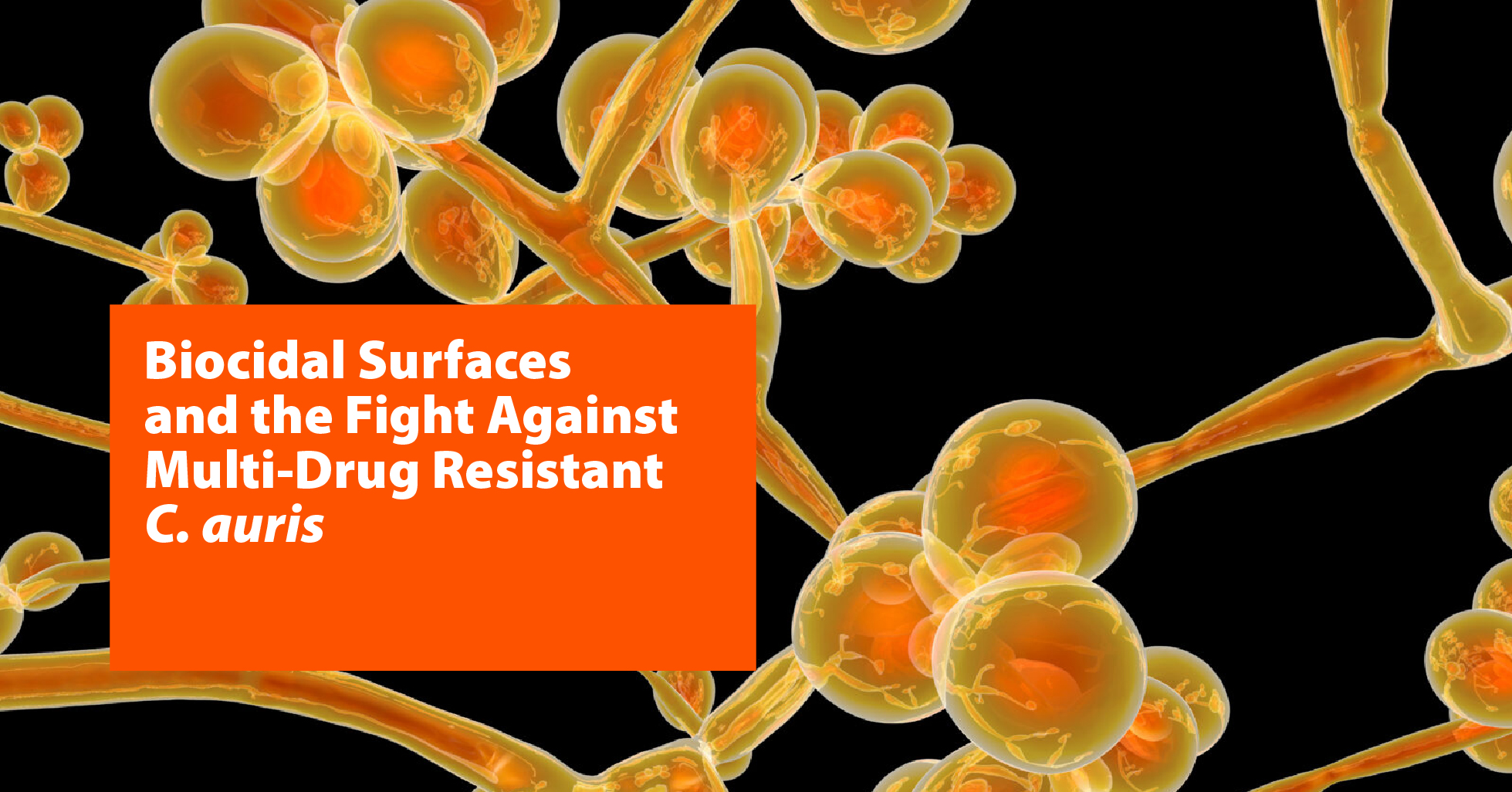
Controlling C. auris Outbreaks: The Critical Role of Surface Hygiene
Candida auris (C. auris) is a rapidly emerging, multi-drug resistant fungus posing a serious threat to healthcare facilities worldwide. Understanding how this pathogen spreads is crucial for effective control, and surprisingly, the surfaces within a healthcare habitat play a significant role.This article will explore how innovative surface technologies can definitely help you combat C. auris and protect your patients.
Understanding C. auris Transmission
C. auris can colonize a person’s body without causing immediate infection. This means individuals can carry the fungus on their skin and shed it onto surfaces they touch.Subsequently, healthcare workers, equipment, or even clothing can inadvertently transfer C. auris to vulnerable patients – those with open wounds or invasive devices like catheters or ventilators.
Onc established within a facility, C. auris spreads easily. Patients can acquire the fungus simply by being admitted to a hospital were it’s present. While pinpointing the exact transmission routes can be challenging, research consistently demonstrates that contaminated surfaces contribute significantly to the spread of hospital-acquired infections.
How Surfaces Contribute to the Problem
Regular surfaces can harbor C. auris for extended periods,acting as reservoirs for the fungus. Conventional cleaning and disinfection protocols, while vital, aren’t always enough to eliminate it entirely. This persistence allows for continuous re-contamination and increases the risk of transmission.
You need solutions that actively kill pathogens on contact, not just remove them temporarily. this is where biocidal surfaces offer a powerful advantage.
The Power of biocidal Surfaces
Biocidal surfaces are infused with antimicrobial agents, like copper, that continuously kill microorganisms. Recent testing shows that copper-infused solid surfaces can eliminate greater than 99.99% of C. auris in as little as two hours – a timeframe significantly shorter than required by standard protocols.
Consider the impact of implementing these surfaces in key areas:
* Patient Rooms: Bed rails, overbed tables, and all horizontal surfaces become active infection control tools.
* Reduced transmission: Eliminating C. auris cells in under two hours minimizes the risk of spread while the patient is still present.
* Protection for Future Patients: Decreasing the fungal load reduces the risk of exposure for subsequent patients occupying the same room.
Breaking the Chain of Infection
Biocidal surfaces don’t just offer a reactive solution; they proactively break the chain of infection. By continuously killing C. auris, these surfaces prevent the fungus from establishing a foothold and spreading throughout your facility. This approach is especially valuable given the challenges of containing multi-drug resistant organisms.
Investing in biocidal surfaces represents a significant step toward:
* lowering outbreak risk.
* Preventing fungal persistence.
* Enhancing overall patient safety.
Implementing innovative solutions like biocidal surfaces is essential for protecting your patients and controlling the spread of C. auris. By focusing on proactive infection prevention, you can create a safer healthcare environment for everyone.
Worth a look