
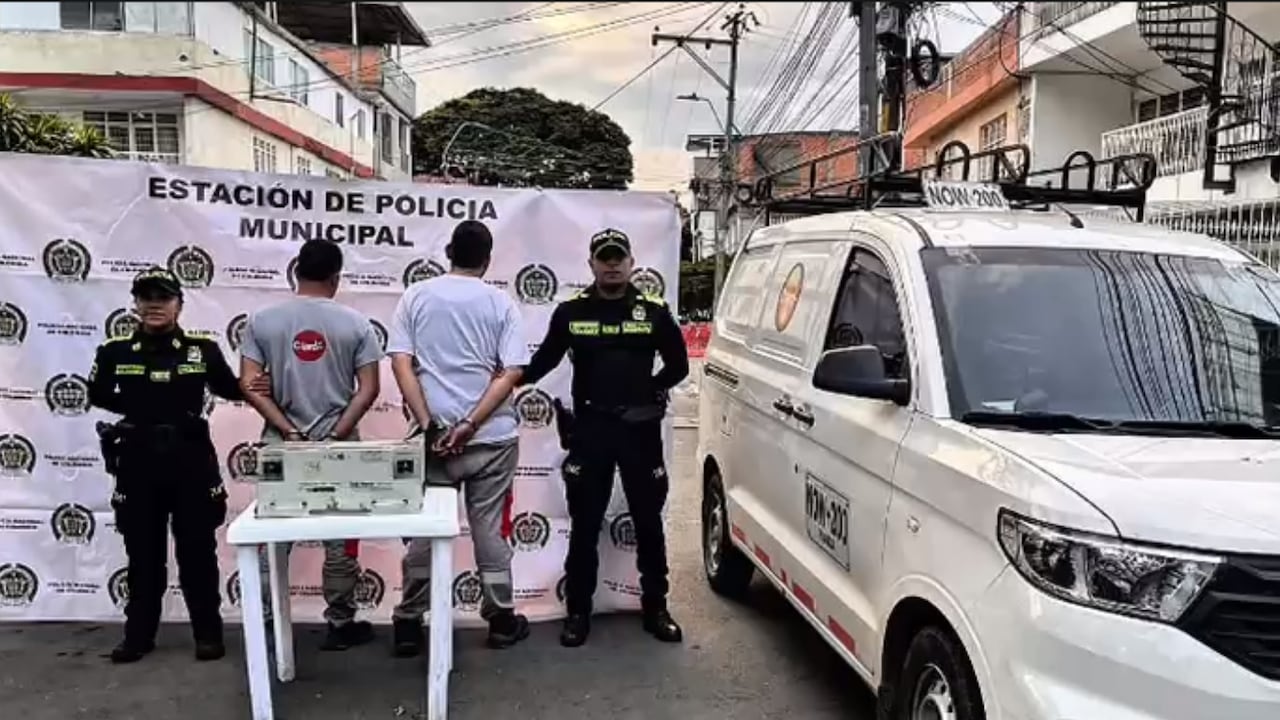
Cali, Colombia — May 18, 2026 — In a dramatic operation that underscores the growing sophistication of cyber-enabled crime in Latin America, Colombian police have disrupted a criminal network that disguised itself as telecommunications technicians to steal mobile devices and extract personal data. The operation, which targeted critical infrastructure in Cali, highlights the intersection of physical and digital crime and raises alarms about vulnerabilities in telecom supply chains.
According to verified sources, the suspects—who impersonated authorized service providers—gained access to restricted areas of telecommunications facilities under false pretenses. Once inside, they would either steal entire devices or extract SIM cards and microSD cards containing sensitive user data. The stolen information was then sold on underground markets, where it was used for identity theft, financial fraud and targeted cyberattacks. Police confirmed that the operation resulted in multiple arrests and the recovery of stolen equipment, though exact numbers remain under review by prosecutors.
The case marks the latest in a series of high-profile incidents where criminals exploit the trust placed in uniformed or badge-wearing personnel. Similar schemes have been documented in Puerto Rico, where police recently dismantled a network of individuals posing as technical support agents to steal mobile devices (see related operation), and in Richmond, Virginia, where scammers targeted public Wi-Fi networks under false technical support pretexts. The Cali operation, however, stands out for its scale and the specific focus on telecommunications infrastructure—a critical sector for national security.
How the Scam Worked: A Playbook for Digital Deception
Law enforcement officials describe the operation as a multi-layered scheme designed to bypass security protocols. Suspects would arrive at telecom facilities with forged identification cards bearing logos of legitimate service providers. In some cases, they would claim to be responding to a “system failure” or “routine maintenance,” using language and terminology familiar to employees. Once granted access, they would:
- Steal entire mobile devices, particularly those belonging to high-value customers or corporate clients.
- Extract SIM cards and microSD cards from locked devices, often using specialized tools to bypass security seals.
- Record or photograph serial numbers, IMEI codes, and other unique identifiers before selling the devices or data.
- In some instances, install malicious software on devices to enable remote monitoring or data exfiltration.
While the primary motive appears to be financial—selling stolen devices and data on the dark web—authorities warn that the operation may have also served as a reconnaissance effort for larger cyberattacks. “This wasn’t just about theft,” said a source familiar with the investigation. “It was about mapping vulnerabilities in our telecom networks. The data collected could be used to launch more sophisticated attacks, such as SIM-swapping or network infiltration.”
Key Takeaways:
- Targeted Infrastructure: The operation specifically focused on telecommunications facilities, suggesting organized planning and insider knowledge of security weaknesses.
- Data Exploitation: Stolen information included not just device identifiers but likely personal data (contacts, messages, location history), increasing risks for identity theft.
- Cross-Border Implications: The sale of stolen data and devices may have involved international criminal networks, complicating investigations.
- Cyber-Physical Hybrid Threat: The blend of physical infiltration and digital crime highlights the need for integrated security measures.
Who Is Affected—and What Are the Risks?
The immediate victims of this operation are the telecommunications companies whose facilities were compromised, as well as their customers whose devices or data may have been stolen. However, the broader risks extend to:
- Consumers: Individuals whose devices were stolen or whose data was extracted face elevated risks of financial fraud, blackmail, or unauthorized access to accounts. Authorities recommend checking for unusual activity on bank accounts and enabling two-factor authentication.
- Corporate Clients: Businesses that rely on mobile devices for operations may have exposed sensitive corporate data, including intellectual property or customer records.
- National Security: The targeting of telecom infrastructure raises concerns about potential state-sponsored espionage or sabotage, though no evidence of foreign involvement has been confirmed.
In response to the operation, the Colombian government has ordered a review of security protocols at all telecom facilities nationwide. “This incident is a wake-up call,” stated a senior official from Colombia’s Ministry of Information Technologies and Communications. “We are working with private sector partners to implement biometric access controls, real-time monitoring of visitor logs, and stricter verification processes for all third-party technicians.”
Global Context: A Rising Trend in Latin America
The Cali operation aligns with a disturbing trend across Latin America, where organized crime groups are increasingly blending physical and digital tactics. In Puerto Rico, for example, police recently dismantled a network of individuals posing as technical support agents to steal mobile devices from unsuspecting victims (see official statement). The Puerto Rico Police Department reported that the suspects would approach victims under the guise of troubleshooting connectivity issues, then either steal the device outright or install malware to extract data remotely.
Similarly, in Richmond, Virginia, local authorities have warned about scammers targeting public Wi-Fi networks by posing as IT support staff. While the methods vary, the underlying strategy remains consistent: exploiting trust in authority figures to gain access to valuable assets. “The common thread is deception,” notes Dr. María Elena Rodríguez, a cybersecurity expert at the University of the Andes. “Criminals are leveraging the public’s reliance on uniforms, badges, and technical jargon to bypass security measures that would otherwise be impenetrable.”
What Happens Next? Official Updates and Safety Guidance
As of May 18, 2026, the following steps are underway:

- Prosecutorial Review: Authorities are reviewing evidence to determine formal charges against the arrested individuals. A spokesperson for the Attorney General’s Office confirmed that cases involving organized crime and cyber fraud will be prioritized.
- Security Audits: Telecom companies are conducting internal audits to assess the extent of data exposure. Some firms have already issued advisories to customers urging them to reset passwords and monitor accounts for suspicious activity.
- Public Awareness Campaigns: The Colombian government, in collaboration with private sector partners, is launching campaigns to educate the public about recognizing fake technicians. Key messages include:
- Always verify the identity of technicians by contacting the official customer service line of the service provider.
- Never grant access to your device or personal data without proper authorization.
- Report suspicious activity to local police or the national cybersecurity hotline.
For individuals concerned about potential exposure, the following resources are available:
- Colombian National Police Cybercrime Unit – Report suspicious activity or file a complaint.
- Ministry of Information Technologies and Communications – Official advisories and security guidelines.
- ICANN’s Security Resources – Steps to secure mobile devices and accounts.
The next official update from Colombian authorities is expected by May 25, 2026, when the Attorney General’s Office is scheduled to release a statement on the progress of investigations. In the meantime, cybersecurity experts urge both individuals and businesses to remain vigilant and adopt multi-layered security measures.
Why This Matters: The Erosion of Trust in Digital Security
The Cali operation is more than a law enforcement success story—it is a case study in the evolving nature of crime. As physical and digital worlds converge, traditional security measures are being outpaced by increasingly sophisticated tactics. This incident serves as a reminder that:
- Trust is the primary vulnerability: Criminals exploit the public’s willingness to extend trust to authority figures, even in unfamiliar contexts.
- Data is the new currency: The theft of mobile devices and personal data is not just about physical assets but about accessing the digital identities that power modern life.
- Collaboration is critical: Effective responses require coordination between law enforcement, private sector security teams, and government regulators.
For businesses and governments alike, the lesson is clear: security must be proactive, adaptive, and rooted in a deep understanding of human behavior. As Dr. Rodríguez puts it, “The next frontier in cybersecurity isn’t just firewalls and encryption—it’s building systems that account for the fact that the weakest link is often the human element.”
Have you or your organization experienced similar incidents? Share your concerns or tips in the comments below—or help others by spreading awareness about this growing threat. Stay informed with World Today Journal for updates on cybersecurity and digital crime.