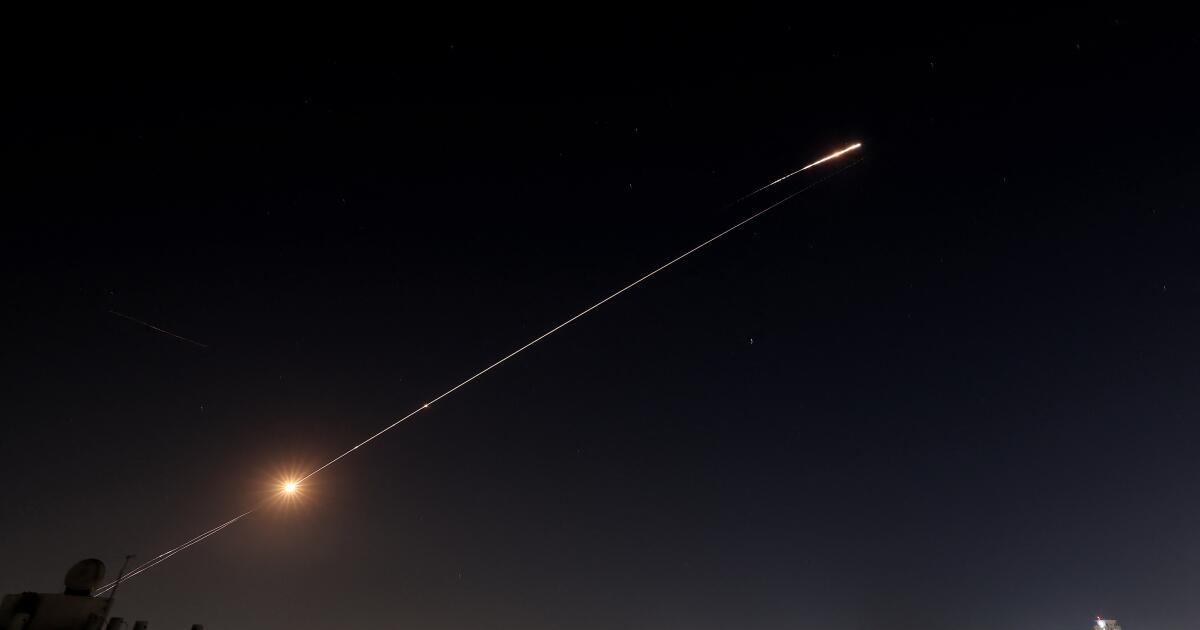
California law enforcement agencies were recently alerted to a potential threat of drone attacks originating from Iran, a warning that surfaced amid escalating tensions in the Middle East. While the intelligence regarding a planned assault has been downplayed by multiple sources as not credible, the alert prompted heightened security measures across the state and underscores the growing concerns about potential retaliatory actions following recent U.S. Military strikes against Iran. The situation highlights the complex challenges facing national security officials as they attempt to assess and mitigate risks in a volatile geopolitical landscape.
The warning, initially disseminated in a late February bulletin from the FBI to California police departments, detailed an alleged Iranian aspiration to launch a “surprise attack” using unmanned aerial vehicles (UAVs) from an unidentified vessel off the U.S. Coastline. The intended targets within California were unspecified, but the alert was triggered by the possibility of Iranian retaliation for potential U.S. Strikes. ABC News first reported the details of the FBI bulletin on March 11, 2026.
Intelligence Assessment: Cautionary, Not Credible
Despite the initial alert, multiple law enforcement sources have indicated that the threat of an imminent Iranian drone attack on California is not considered credible. NBC Los Angeles reported that five law enforcement sources familiar with the reports confirmed there were no specific, credible threats of Iran plotting retaliatory drone attacks. These sources emphasized that the information was part of a broader examination of potential terrorism scenarios following the U.S. Attack on Iranian interests. The FBI in Los Angeles declined to comment on the specifics of the bulletin when contacted.
The nature of the initial intelligence is described as “raw” information, meaning it had not been fully vetted or corroborated. Such bulletins are routinely shared among law enforcement agencies as a precautionary measure, prompting them to consider a range of potential threats and scenarios. According to sources experienced in counterterrorism, the alert was issued as a cautionary measure, with no indication that Iran was actively planning an attack or possessed the capability to successfully execute one. The alert, while not deemed credible at this time, prompted a review of security protocols and preparedness measures.
California’s Response and Elevated Security Posture
California Governor Gavin Newsom confirmed that his office was aware of the reports regarding potential drone strikes and had shared the information with local partners. “Drone issues have been top of mind and we’ve assembled some work groups specifically around those concerns,” Newsom stated, indicating a proactive approach to addressing potential vulnerabilities. He also noted that he had not yet discussed the matter directly with President Trump.
In response to the escalating tensions and the intelligence reports, the California Governor’s Office of Emergency Services (CalOES) Homeland Security Division elevated its security posture beginning on February 28, 2026, coinciding with the commencement of U.S. And Israeli strikes on Iran. A spokesperson for CalOES stated that “Californians should grasp that this kind of coordination happens every day to keep people safe,” emphasizing the ongoing collaboration between state, local, and federal agencies. The spokesperson added that California is “prepared to protect its communities, and we’ll continue working closely with our federal partners.”
The Los Angeles County Sheriff’s Department also confirmed that it was operating at an “elevated level of readiness and is maintaining increased vigilance,” although officials declined to comment specifically on the FBI memo. This heightened state of alert reflects a broader trend of increased security measures across the state in response to the evolving geopolitical situation. The department’s proactive stance underscores the commitment to safeguarding communities and responding effectively to potential threats.
Broader Concerns: Drone Technology and Regional Instability
The alert regarding potential Iranian drone attacks comes against a backdrop of growing concerns about the proliferation and use of drone technology for malicious purposes. U.S. Intelligence officials have expressed increasing worry about the expanding use of drones by Mexican drug cartels and the potential for this technology to be used to target American forces and personnel along the U.S.-Mexico border. As reported by ABC News, a September 2025 bulletin highlighted an uncorroborated report suggesting that Mexican cartel leaders had authorized attacks using drones carrying explosives against U.S. Law enforcement and military personnel.
The potential for Iran to utilize drones in retaliatory attacks is also a significant concern, given the country’s demonstrated capabilities in this area. Iran has been actively developing and deploying drone technology in recent years, and has reportedly used drones in attacks throughout the Middle East. The combination of these factors – the increasing availability of drone technology, the potential for its misuse by non-state actors, and the demonstrated capabilities of state-sponsored actors like Iran – presents a complex and evolving security challenge.
Understanding the Threat Landscape
The threat of drone attacks, while currently assessed as not credible in the California case, is a growing concern for national security officials. Drones offer a relatively inexpensive and accessible means of delivering payloads, making them attractive to a wide range of actors, including terrorist groups and state-sponsored adversaries. The ability to launch drones from a distance, potentially from an unidentified vessel as suggested in the FBI bulletin, adds to the complexity of defending against such attacks.
the use of drones can circumvent traditional security measures, such as airport security and border controls. This makes it challenging to detect and intercept drones before they reach their intended targets. The development of counter-drone technologies, such as drone detection systems and anti-drone weapons, is ongoing, but these technologies are still in their early stages of development and deployment.
Looking Ahead: Continued Vigilance and International Diplomacy
While current assessments indicate that the threat of an Iranian drone attack on California is not imminent, authorities remain vigilant and are continuing to monitor the situation closely. The elevated security posture in California and the ongoing collaboration between state, local, and federal agencies demonstrate a commitment to protecting communities and responding effectively to potential threats. The situation underscores the importance of continued intelligence gathering, threat assessment, and proactive security measures.
Beyond security measures, diplomatic efforts to de-escalate tensions in the Middle East are crucial to mitigating the risk of further conflict and potential retaliatory actions. The United States and its allies are engaged in ongoing diplomatic efforts to address Iran’s nuclear program and regional activities, but these efforts have faced significant challenges. A sustained commitment to diplomacy and dialogue is essential to achieving a lasting resolution to the conflict and preventing further escalation.
The next key development to watch will be the outcome of ongoing diplomatic discussions between the U.S. And Iran, as well as the continued assessment of intelligence reports regarding potential threats. Readers are encouraged to stay informed about the situation through reliable news sources and to report any suspicious activity to local law enforcement. Share your thoughts and concerns in the comments below.
Related reading
- Why the US is Running Low on Precision Missiles and Munitions Amid Iran War
- Jacquees on Fatherhood, New Album ‘Mood 2,’ and Why He’s the King of R&B | WBLS Interview
- UFC Fighter Allan Nascimento Dies at 34 After Apparent Heart Attack (archyworldys.com)
- Understanding Threat Actors: Anatomy of Cyberattacks & Infrastructure Defense (archynewsy.com)