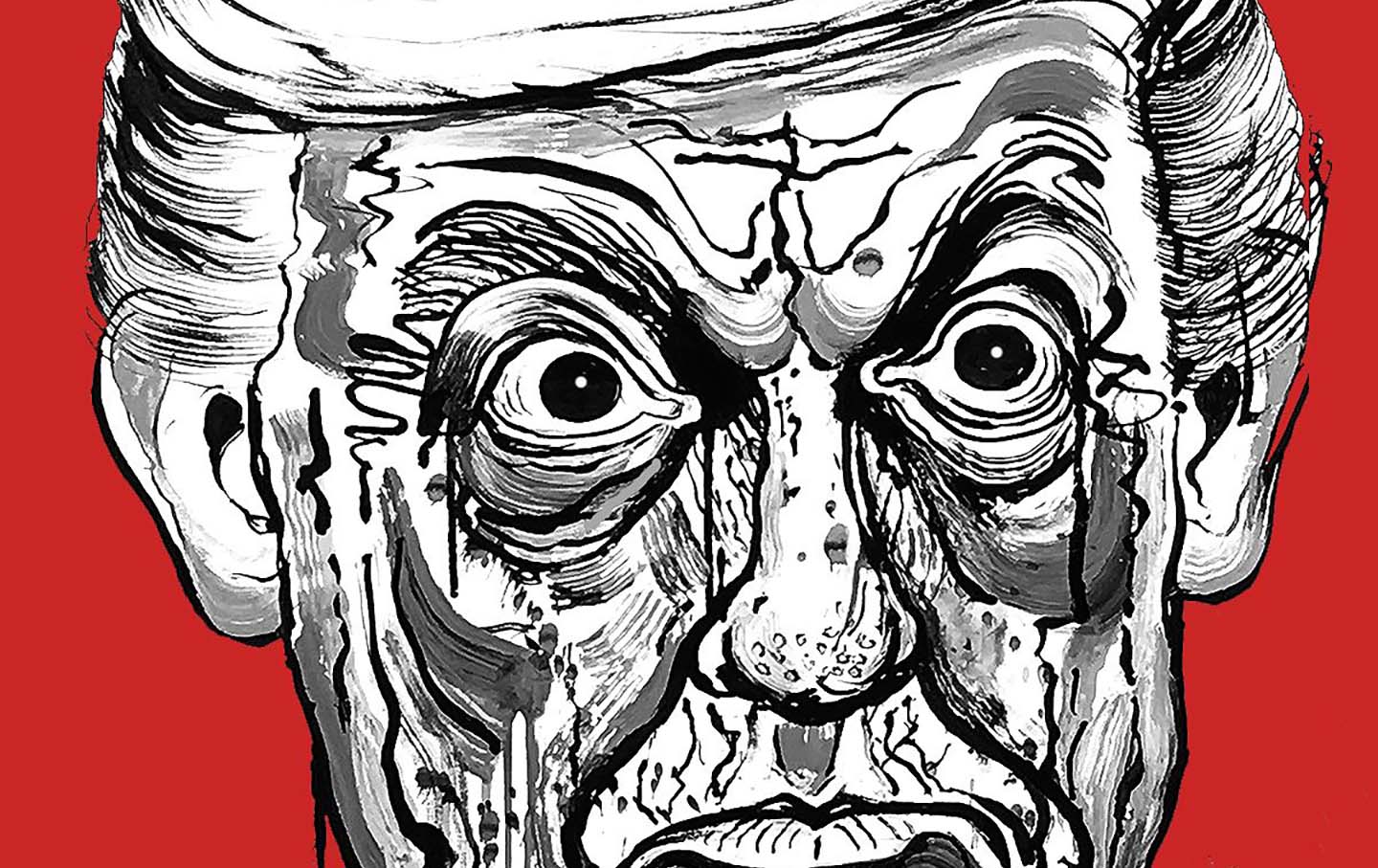
London, United Kingdom – The escalating conflict between the United States and Iran, now entering its second month, is rapidly reshaping the global economic landscape and presenting a significant political challenge for the administration of President Donald Trump. What began as a series of targeted strikes has broadened into a sustained military engagement, triggering concerns about oil supply disruptions, rising inflation, and a potential slowdown in global economic growth. The situation is particularly acute as the U.S. Heads towards crucial midterm elections, with affordability becoming a central issue for voters.
The war’s impact is already being felt at the gas pump, with prices surging across the United States. This comes at a time when the U.S. Economy is showing mixed signals, including a recent jobs report that renewed fears of a potential recession. The confluence of rising energy costs and economic uncertainty creates a precarious situation for the Federal Reserve, which is tasked with maintaining both price stability and full employment. The potential for “stagflation” – a combination of high inflation and slow economic growth – looms large, complicating the Fed’s policy options.
Economic Fallout: Rising Oil Prices and Global Disruption
The most immediate consequence of the conflict has been a dramatic increase in oil prices. According to data from AAA, the national average for gas prices reached $3.41 a gallon on Saturday, March 7, 2026, a jump of $0.43 in just one week. NBC News reported that U.S. Crude oil logged its biggest weekly gain on record, dating back to 1983, signaling that further price increases are likely. This surge in oil prices is directly linked to concerns about disruptions to oil shipments through the Middle East, a critical artery for global energy supplies.
The threat to oil tankers operating in the region is substantial, as Iran has repeatedly threatened to target vessels it deems hostile. This has led to increased insurance costs for shipping companies and a reluctance to transit the Strait of Hormuz, a narrow waterway through which a significant portion of the world’s oil passes. The resulting supply constraints are driving up prices, impacting not only consumers at the gas pump but also businesses across a wide range of industries. The potential for a prolonged conflict raises the specter of even more severe disruptions, potentially pushing oil prices to levels not seen in decades.
Pentagon Spending and the Escalating Financial Burden
The military operation itself is proving to be extraordinarily expensive. A recent Pentagon leak revealed that the U.S. Military spent $5.6 billion on advanced munitions in the first two days of “Operation Epic Fury,” as it has been dubbed. The Daily Beast reported that this figure includes the cost of Tomahawk cruise missiles and advanced air defense interceptors. While the military has since shifted towards using more plentiful laser-guided bombs, the initial expenditure underscores the immense financial cost of the conflict.
The administration is expected to submit a supplemental defense spending request to Congress in the coming weeks, potentially totaling tens of billions of dollars, to cover the ongoing costs of the war. This request is likely to face fierce opposition from Democrats, who have already expressed concerns about the legality and justification for the military intervention. Estimates suggest that the war is currently costing American taxpayers approximately $1 billion per day, and if the conflict continues through September, the total bill could reach $215 billion. This escalating financial burden is occurring at a time when the national debt is already at a historic high, raising questions about the long-term sustainability of the military campaign.
Political Ramifications and the Midterm Elections
The economic consequences of the war are particularly problematic for President Trump as he seeks re-election in the upcoming midterm elections. The affordability of everyday goods and services has become a central issue for voters, and rising gas prices are exacerbating these concerns. The administration’s handling of the conflict is already facing criticism from both sides of the political spectrum. Some argue that the war is a necessary response to Iranian aggression, while others contend that it is a reckless and ill-conceived adventure that is jeopardizing American interests.
The situation is further complicated by the fact that President Trump has stated that the United States will not conclude the war until Iran surrenders unconditionally. CNN reported this stance, suggesting a prolonged and potentially costly conflict. This uncompromising position has raised concerns among allies and adversaries alike, and it has fueled speculation that the administration is pursuing a policy of regime change in Iran. The political fallout from the war could be significant, potentially impacting the balance of power in Congress and shaping the future direction of U.S. Foreign policy.
Labor Market Concerns and the Federal Reserve’s Dilemma
Adding to the economic woes, the U.S. Labor market is showing signs of weakness. The Bureau of Labor Statistics reported a loss of 92,000 jobs in February 2026, and revisions to previous months indicated that fewer jobs were created than initially estimated. This weakening labor market, combined with rising inflation, presents a demanding challenge for the Federal Reserve. Traditionally, the Fed would respond to a slowing labor market by cutting interest rates to stimulate economic growth. But, rising inflation complicates this response, as lower interest rates could further fuel price increases.
The Fed is now caught between a rock and a hard place, forced to weigh the risks of both inflation, and recession. The war in Iran has further complicated this calculus, as it has added to inflationary pressures and increased economic uncertainty. The potential for stagflation – a combination of high inflation and slow growth – is a real concern, and it could have significant consequences for the U.S. Economy and the global financial system.
Key Takeaways
- The war with Iran is driving up oil prices and increasing economic uncertainty.
- The Pentagon has already spent billions of dollars on the conflict, with further spending expected.
- The war is creating a political headache for President Trump as he approaches the midterm elections.
- The Federal Reserve faces a difficult dilemma, balancing the risks of inflation and recession.
- A prolonged conflict could have severe consequences for the U.S. Economy and global stability.
The situation remains fluid and unpredictable. The administration has offered conflicting rationales for the attacks on Iran, and its long-term strategy remains unclear. The coming weeks and months will be critical in determining the trajectory of the conflict and its impact on the United States and the world. The next key event to watch will be the administration’s submission of its supplemental defense spending request to Congress, which is expected to spark a heated debate over the cost and justification for the war.
We will continue to monitor developments closely and provide updates as they become available. Your comments and shares are welcome as we navigate this complex and challenging situation.
- Norway Faces Major Student Housing Crisis as Thousands Wait in Queue While Units Sit Empty
- Diesel Prices Drop: Maximum Cost Falls to €2.211 in Belgium
- BP Q2 Profit Hits $5.7 Billion Amid Trump Criticism of Big Oil Windfalls (time.news)
- Trump Administration Begins Systematic Appropriation of Japanese Manga (newsdirectory3.com)