
Progressive candidates in California have secured significant victories in recent primary elections, signaling a potential shift in the state’s political landscape and challenging the influence of establishment Democrats. These results, particularly in competitive swing districts, have prompted internal party debate regarding campaign strategies and the allocation of national resources for the upcoming general election.
The primary outcomes have drawn attention to the tension between grassroots, progressive-leaning platforms and the traditional campaign models favored by party leadership. In several contests, candidates backed by progressive organizations have successfully navigated primaries despite substantial financial opposition from PACs and institutional donors, according to reports from CalMatters.
Shifting Dynamics in California Swing Districts
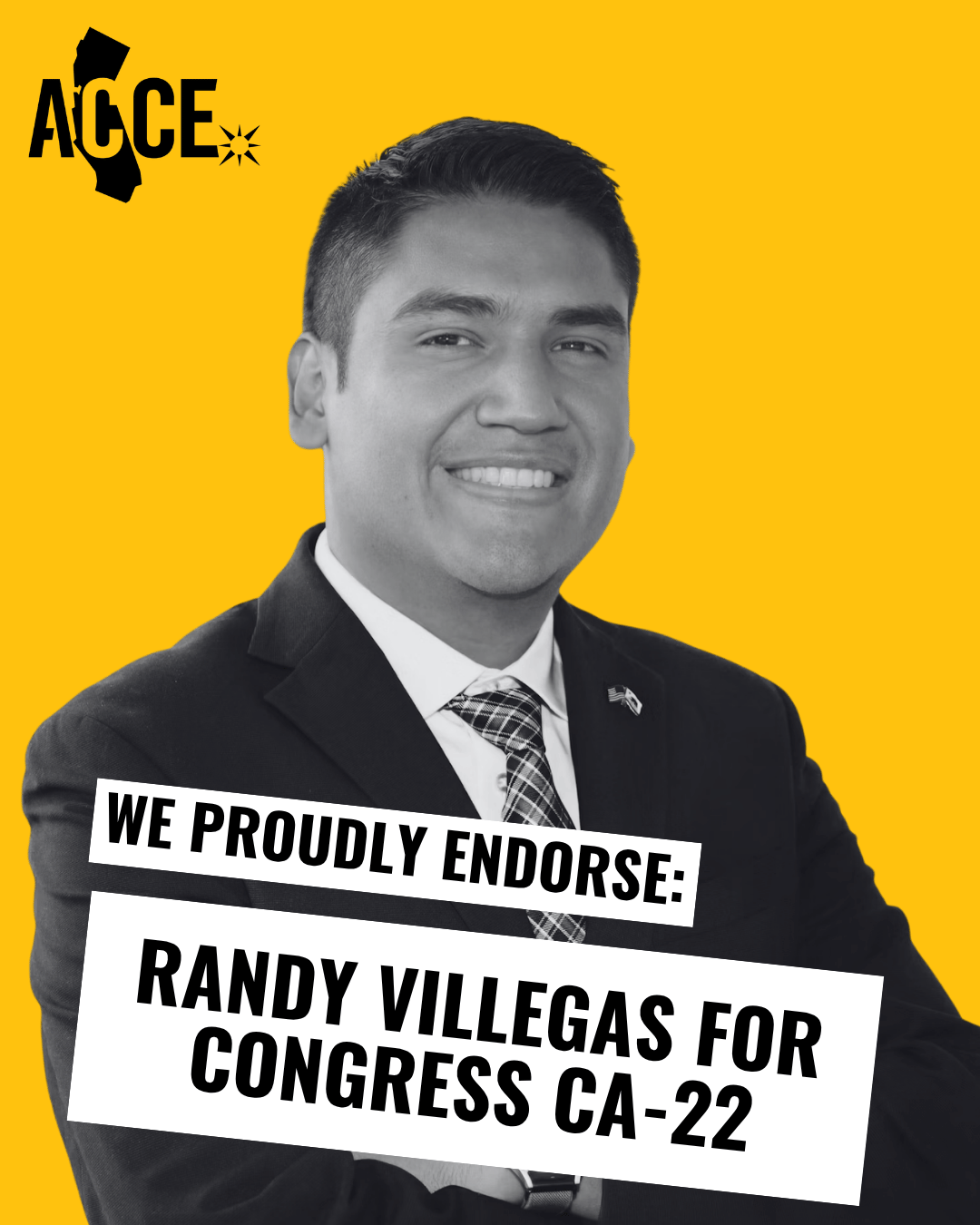
A primary focal point of the current election cycle is the contest in California’s 21st Congressional District, where Randy Villegas, a progressive candidate, advanced to the general election to challenge incumbent Representative David Valadao. Despite significant financial hurdles, including approximately $2 million spent by opposing groups to influence the outcome, Villegas successfully secured his position on the ballot, as noted by Politico.
This development highlights a broader trend of increased electoral participation by progressive factions within the Democratic party. Analysts suggest that these results reflect a growing appetite for alternative policy messaging, particularly in districts where Democratic voters are looking for a more distinct departure from moderate establishment figures. The ability of candidates like Villegas to overcome significant spending gaps is often cited by political observers as evidence of the efficacy of grassroots organizing and localized voter engagement.
Internal Party Friction and DCCC Funding
The success of progressive challengers has triggered a sharp reaction from various wings of the Democratic party. Reports indicate that some House Democrats have expressed frustration with the Democratic Congressional Campaign Committee (DCCC), leading to threats of withholding dues. This friction stems from perceptions that the party’s institutional apparatus has struggled to adapt to the changing political climate in California, characterized by some as a failure to effectively support or align with grassroots movements, according to reporting by Axios.
Financial disputes within political committees are not uncommon, but the scale of the current discord reflects deeper structural questions about how the party prioritizes its resources. Establishment Democrats generally argue for a focus on candidates deemed most electable in swing districts, while progressives maintain that a bolder, more ideological platform is essential to mobilize the base and achieve long-term electoral success. The DCCC’s role in these primaries remains a subject of intense scrutiny as the party prepares for the final push toward the general election.
The Role of Progressive Endorsements
The influence of national progressive figures, such as Senator Bernie Sanders, has been instrumental in shaping the outcomes of several California races. Endorsements from high-profile progressives often translate into increased visibility and small-dollar fundraising, which can serve as a counterbalance to the larger, corporate-backed expenditures of institutional opponents. As reported by the New York Times, the backing of such figures has provided a necessary boost to candidates attempting to bridge the gap in heavily contested districts.
This dynamic serves as a reminder of the evolving nature of campaign finance and candidate recruitment. While traditional party support remains a powerful force, the ability to generate enthusiasm among younger and more liberal voters is becoming an increasingly vital component of a successful campaign strategy. Whether these progressive candidates can maintain their momentum in the general election against well-funded incumbents remains the defining question of the cycle.
What Happens Next in the General Election
As the primary season concludes, the focus shifts to the general election campaigns. Candidates are now tasked with broadening their appeal to include independent voters and those who may have supported different primary candidates. For the Democratic party, the challenge lies in reconciling these internal differences to present a unified front against Republican opposition in key swing districts.
Official election results and campaign finance disclosures for the upcoming period will be available through the Federal Election Commission, which provides public data on candidate fundraising and expenditures. Voters looking to track specific campaign developments or find information on polling locations and registration deadlines can consult the California Secretary of State’s official portal. The next major milestone for these campaigns will be the final pre-general election filings, which will provide a clearer picture of the financial resources available to each candidate as they enter the final stretch of the race.
As Editor of the News section at World Today Journal, I welcome your thoughts on these evolving political trends. Please share your perspective in the comments section below.
Keep reading
- Prabowo Proposes Ad Hoc Court for SOE Losses; Minister Clarifies It Was Only an Example
- Partial Building Collapse in Marseille: Illegal Neighboring Works Suspected
- Brazilian Assets Plunge Amid October Election Anxiety (world-today-news.com)
- Tennessee Progressive Justin Pearson Wins Democratic Congressional Primary (news-usa.today)