
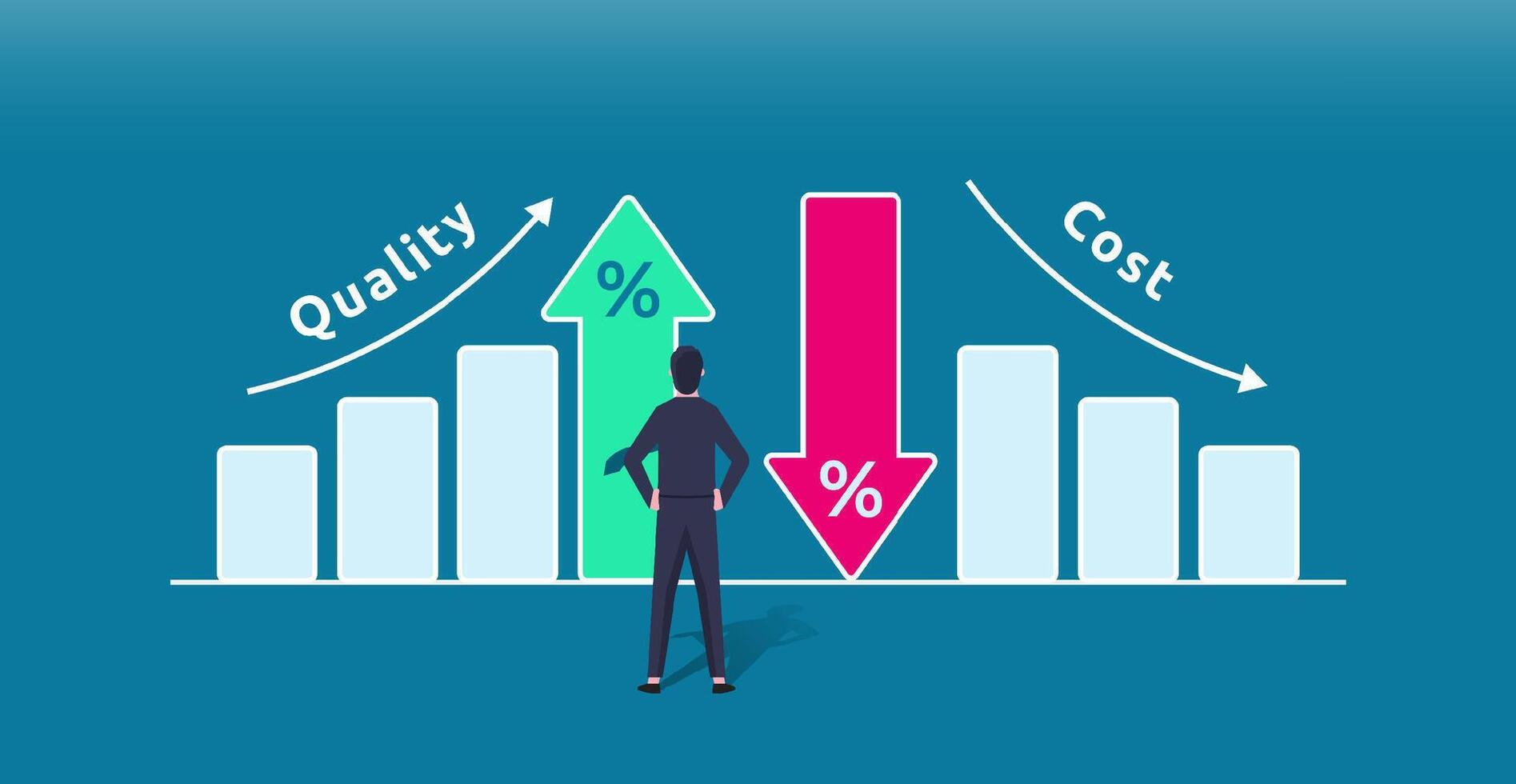
The California Office of Health Care Affordability (OHCA) is tasked with slowing the rising costs of medical services across the state by setting annual cost growth targets for insurers, hospitals, and large physician organizations. Established under Senate Bill 184, the office aims to align health care spending growth with the median growth of consumer wages, a strategy intended to prevent health care expenditures from outpacing the broader economy. According to the California Department of Health Care Access and Information (HCAI), the state’s Health Care Affordability Board has officially approved a 3.5% cost growth target for the initial years of the program, with a planned downward trajectory through 2029.
This initiative represents a significant shift in California’s health care regulatory approach, moving away from historic cost-of-care models that critics argue have institutionalized unsustainable price hikes. By focusing on total per-person spending for patients—including administrative costs, provider payments, and drug expenses—the OHCA intends to improve health outcomes while simultaneously promoting health equity. The program is currently in its preliminary implementation phase, with 2025 serving as a data-collection year without enforcement actions, providing health entities a window to adjust their financial reporting and operational structures before the first enforceable benchmarks begin in 2026.
How the Cost Growth Target is Calculated
The cost growth target is not an arbitrary figure; rather, it is derived from an analysis of median income growth over the past two decades. By anchoring the allowable rate of spending increase to consumer wages, the state seeks to ensure that health care remains affordable for the average family. Research from the UC Berkeley Labor Center suggests that if such a target had been in effect three years prior to its adoption, California families could have collectively saved more than $5,800 in premiums over that period, according to reporting from state-level policy advocates.
The Board’s decision-making process was extensive, involving 13 public board meetings, input from a dedicated Health Care Advisory Committee, and a year of public comment periods. The phased implementation schedule is as follows:
- 2025: 3.5% (Data collection only; no enforcement)
- 2026: 3.5% (First enforceable year)
- 2027: 3.2%
- 2028: 3.2%
- 2029: 3.0%
The OHCA explicitly rejected using historic cost-of-care, inflation, or Gross Domestic Product (GDP) as the baseline for these targets. Officials have noted that historically, health care spending in California has grown by 6% to 7% annually, significantly outpacing wage growth. By setting a lower target, the state requires the health care system to moderate the rate of annual spending increases rather than forcing an immediate reduction in overall expenditure.
Enforcement and Accountability Measures
Accountability for these targets will be phased in, with potential enforcement actions for health plans beginning as early as 2027 based on 2026 spending data, and for hospitals starting in 2028. Large physician organizations remain subject to ongoing determination regarding their specific enforcement timeline. The accountability process is structured to prioritize technical support before moving toward punitive measures, according to the official guidelines established by the Board.
The enforcement mechanism follows a multi-step escalation path:
- Determination: Assessing if a health entity has exceeded the annual cost growth target.
- Public Notice: Formally notifying the entity and the public of the deviation.
- Review: Providing the organization an opportunity to explain the circumstances behind the spending increase.
- Performance Improvement Plans (PIPs): Requiring entities to develop and implement state-approved plans to return to compliance.
- Administrative Penalties: Assessing fines if an entity fails to comply with its PIP or continues to exceed the established targets.
The OHCA has currently decided against implementing a broad waiver system for enforcement. Instead, the Director of the Department of Health Care Access and Information will review compliance issues on a case-by-case basis. This allows the state to consider unique factors, such as population health shifts, investments in primary care, or the impact of federal policy changes like the Health Reimbursement Arrangements (H.R. 1), when determining whether to proceed with enforcement actions.
Impact on High-Cost Hospitals and Workforce
A specific area of regulatory focus involves identifying “high-cost” hospitals that have significantly outpaced statewide spending averages. The OHCA identified seven hospitals out of more than 400 in the state that demonstrated commercial prices nearly double those of their peers. These facilities showed a Medicare-to-commercial payment ratio of 351% compared to a 198% average. To address this, the Board set more aggressive, lower growth targets for these specific entities—1.8% in 2026, dropping to 1.6% by 2029—to encourage long-term price convergence.
Concerns regarding the impact of these targets on staffing and wages have been addressed by the inclusion of specific provisions in the law. The OHCA is required to monitor workforce stability and includes an adjustment for frontline organized labor costs. Furthermore, labor costs may serve as an enforcement consideration for entities that do not have existing collective bargaining agreements, ensuring that cost-containment efforts do not inadvertently lead to a degradation in the quality of care or worker safety. The state maintains that these measures are intended to promote investment in preventive care and behavioral health rather than forcing arbitrary staff reductions.
Addressing External Financial Pressures
The OHCA has clarified that it will not adjust targets specifically in response to H.R. 1, arguing that the existing enforcement framework already requires the Board to consider the financial capacity of the institution. While some hospital systems have cited federal policy changes as justification for price increases, researchers have noted that market power, rather than underpayment from public programs like Medi-Cal or Medicare, remains the primary driver of high commercial prices. If a hospital increases prices, the Board may examine whether those funds are being directed toward charity care or community health investments, rather than increased corporate profits.

For hospitals experiencing significant financial distress, such as the Madera Community Hospital, the state’s HCAI department—which oversees the Distressed Hospital Loan Program—will play a key role in evaluating the context of spending increases. In cases where a hospital is reopening or recovering from closure, officials have indicated that they may consider waivers or alternative enforcement timelines to preserve access to essential care in those regions.
The Board is expected to continue its oversight and data-collection efforts throughout the remainder of 2025. Stakeholders, including health plans, provider groups, and patient advocates, are encouraged to participate in upcoming public meetings held by the Health Care Affordability Board to provide input on the ongoing implementation of these cost-growth regulations. Readers can monitor the official California Department of Health Care Access and Information website for updates on future board hearings and regulatory filings.