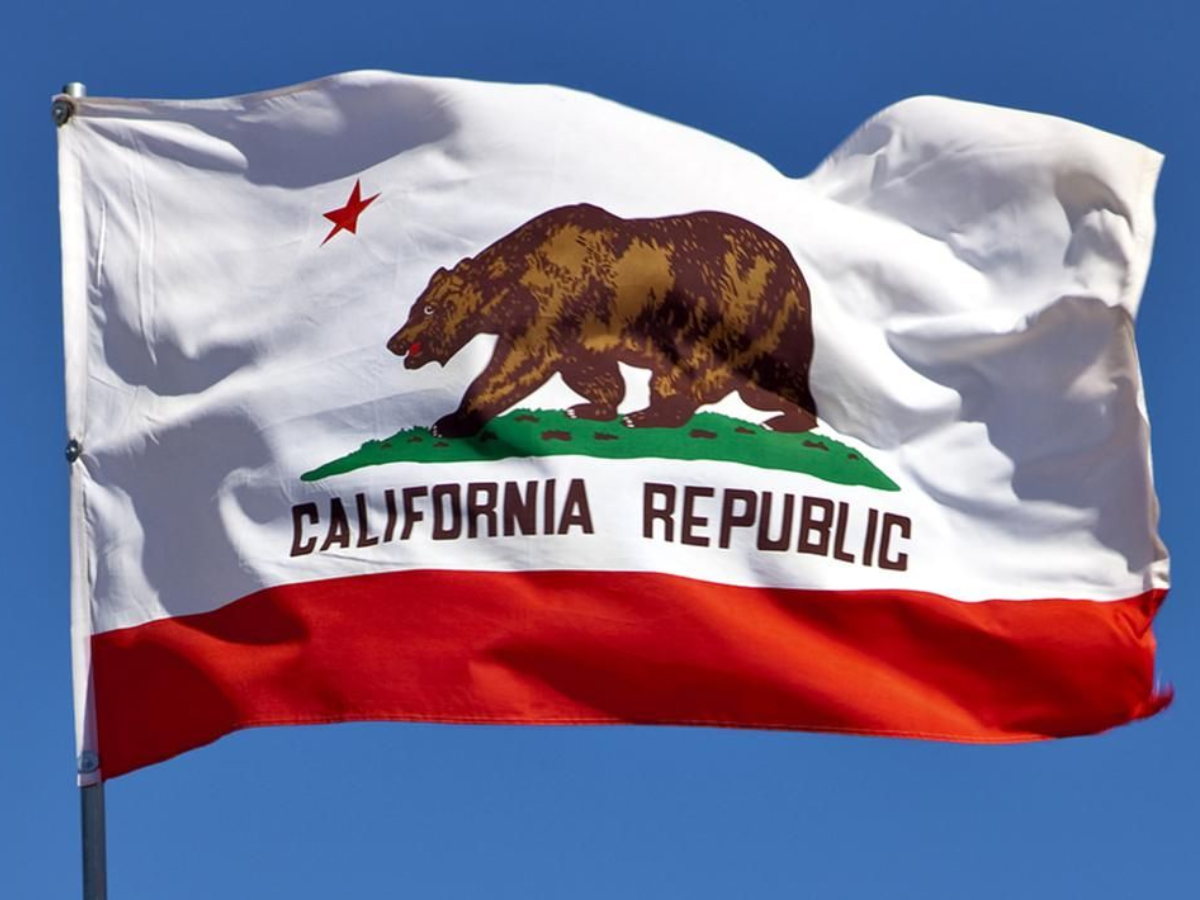
California is currently navigating a significant legislative shift regarding the state’s approach to online safety, specifically concerning the Digital Age Assurance Act. Originally signed into law in October 2025, the legislation sought to mandate that operating system providers, app stores, and developers implement age verification tools to shield minors from risks like cyberbullying and sextortion. However, as the January 1, 2027, effective date approaches, lawmakers are addressing concerns that the mandate could inadvertently stifle the open-source software ecosystem.
The proposed solution, Assembly Bill 1856 (AB 1856), was introduced by Assemblymember Buffy Wicks. If passed, this amendment would exclude software distributed under licenses that permit users to copy, redistribute, and modify the code from the legal definition of an “operating system provider.” This change, if enacted, would effectively grant a broad exemption to many Linux distributions and other open-source operating systems, ensuring they are not required to build age-verification interfaces into their installation processes.
Understanding the Shift in Regulatory Scope
The original Digital Age Assurance Act, or AB 1043, was designed to shift the burden of age verification away from individual websites and toward the device and operating system level. By requiring users to input their birth date or age during initial device setup, the law aimed to create a uniform “age bracket signal” for apps and app stores. While intended to provide a safer digital environment for children, the requirement sparked intense debate among privacy advocates and developers who argued that forcing such mechanisms into decentralized, open-source projects—which lack a centralized corporate entity to enforce compliance—was technically and philosophically problematic.
The language within the new amendment is specifically tailored to align with common open-source licensing models, such as the GPL, MIT, Apache, and BSD licenses. By exempting entities that distribute software under these terms, the California legislature appears to be acknowledging the unique nature of community-driven development. For developers and users of platforms like Debian, Ubuntu, Fedora, and Arch Linux, the amendment represents a potential path to maintaining their commitment to privacy and decentralized control without running afoul of state mandates.
Addressing Hybrid Systems and Industry Concerns
While the exemption offers clarity for many pure open-source projects, it leaves certain hybrid systems in a state of uncertainty. Products like SteamOS, which combine an open-source Linux foundation with proprietary software layers such as the Steam Client, present a complex regulatory challenge. It remains unclear under the current text of AB 1856 whether such hybrid distributions would qualify for the exemption or if the proprietary components would trigger compliance obligations for the parent company, Valve. As it stands, the legislative language does not explicitly address these mixed-model systems, leaving developers to await further clarification from the state.

The broader context of these regulations extends well beyond California. With at least 25 states having passed various forms of age-verification legislation, the landscape for software developers is becoming increasingly fragmented. For example, Colorado has moved forward with its own legislative efforts, which reportedly include specific provisions for open-source operating systems, containers, and code repositories. This highlights a growing awareness among state legislatures that broadly applied age-verification rules may require carve-outs to avoid unintentionally damaging the digital infrastructure that powers much of the modern internet.
The Debate Over Digital Privacy and Censorship
The Electronic Frontier Foundation (EFF) has been a vocal critic of the original Digital Age Assurance Act. Their concerns center on the potential for such laws to shift the responsibility for content moderation and censorship onto developers and operating system providers, thereby solidifying the market dominance of major, well-resourced technology companies that have the capital to implement complex verification systems. The organization has argued that these requirements could fundamentally undermine digital liberties, privacy, and the right to free expression online.
the practical implementation of age verification remains a point of contention. Research into user behavior, such as studies cited by legal scholars like Eric Goldman of Santa Clara University, suggests that mandatory age verification can lead to significant drops in user engagement. On some platforms, the “bounce rate”—where users choose to abandon a site rather than provide personal information—has been observed to be exceptionally high. As California moves toward the 2027 enforcement date, the tension between protecting minors and maintaining an open, accessible, and privacy-conscious internet remains a central theme in the state’s legislative process.
Key Developments and Next Steps
- Legislative Progress: AB 1856 is currently moving through the California legislature, with committee reviews scheduled for June 2026.
- Compliance Deadline: The original Digital Age Assurance Act is set to take effect on January 1, 2027, provided no further amendments or judicial stays alter the timeline.
- State-Level Trends: Legislators in other states, including Colorado, are actively debating similar bills, often incorporating specific exemptions for the open-source community.
For now, open-source maintainers and Linux distributors are advised to monitor the progress of AB 1856 closely. Those who were considering implementing age-verification mechanisms to comply with the original law may find it prudent to wait for the final outcome of the amendment process. As the situation evolves, we will continue to provide updates on how these regulations impact the software we use every day.
What are your thoughts on the balance between online safety and open-source privacy? Join the conversation in the comments below.
Worth a look