
For millions of residents in the Golden State, the promise of health insurance does not always equate to the reality of affordable care. Even with expanded coverage, a growing number of Californians find themselves trapped between the necessity of medical treatment and the crushing weight of the bill. From delaying a critical screening to accumulating life-altering medical debt, the financial barrier to wellness has develop into a public health crisis in its own right.
In a systemic attempt to break this cycle, the state has launched a first-of-its-kind initiative: California’s Office of Health Care Affordability (OHCA). Established to move beyond piecemeal fixes, the OHCA is designed to place structural guardrails on the entire healthcare ecosystem, targeting the root causes of rising costs although demanding improvements in the quality and equity of care delivered to the public.
As a physician and journalist, I have seen how “market power” often outweighs “patient power” in the corridors of large health systems. The OHCA represents a significant shift in policy, moving the state toward a model where healthcare spending is tied to the economic reality of the people it serves. By slowing the rate of cost growth, the state aims to ensure that medical inflation no longer outpaces the median income of the average Californian.
This effort is not merely about cutting budgets. We see about reallocation. The goal is to shift the financial incentive away from expensive, late-stage emergency interventions and toward the primary care and behavioral health services that prevent crises before they happen. For a global audience watching the struggle for sustainable healthcare, California’s experiment serves as a critical case study in state-led affordability.
The Affordability Gap: Why Coverage Isn’t Enough
There is a persistent misconception that rising insurance premiums are solely the result of insurer profits. While administrative overhead is a factor, the primary drivers of premium growth are the escalating costs of hospital inpatient and outpatient services, physician fees, and prescription drugs. Under the Affordable Care Act (ACA), most insurers are limited in how much of the premium dollar can go toward overhead and profit, meaning the vast majority of those funds flow directly to providers.
The disparity in who feels this burden is stark. High healthcare costs are closely linked to earning inequality, particularly across racial and ethnic lines. Data suggests that Latino Californians are disproportionately affected, with a significantly higher percentage of this population spending more than a quarter of their monthly budget on health-related costs compared to their white counterparts. This financial strain often leads to “care avoidance,” where patients skip necessary treatments to avoid bankruptcy, ultimately resulting in worse health outcomes and more expensive emergency room visits.
research indicates a significant amount of “waste” within the system. Analysts have estimated that billions of dollars in spending by hospitals and physician organizations could be eliminated without reducing the quality of care or patient access. This inefficiency is often driven by administrative waste, excessive profits in non-competitive markets, and a chronic underinvestment in prevention.
The Mandate of the Office of Health Care Affordability
Created via Senate Bill 184 and funded through the 2022 State Budget, the OHCA operates under the umbrella of the Department of Health Care Access and Information (HCAI). Its mission is to transform the healthcare landscape by slowing the growth of costs while simultaneously improving equity, and quality.
The office achieves this through three primary levers of power:
- Cost Growth Targets: Setting specific limits on how much healthcare spending can increase annually to protect consumers from skyrocketing premiums.
- Quality and Equity Monitoring: Ensuring that cost-cutting does not lead to reduced care or a decline in health outcomes, particularly for marginalized communities.
- Merger Oversight: Reviewing healthcare mergers and acquisitions to determine if they will increase market power for providers and drive up prices for patients.
Governance of the OHCA is handled by the Health Care Affordability Board, which is appointed by the Governor, the Assembly Speaker, and the Senate Rules Committee. This board holds public meetings, allowing stakeholders—from labor unions and modest businesses to patient advocates and hospital administrators—to provide testimony and influence the direction of the state’s affordability strategy.
The 3% Target: Tying Healthcare to Wages
The centerpiece of the OHCA’s strategy is the establishment of a statewide cost growth target. After extensive public deliberation, the board approved a target designed to align healthcare spending with historic median income growth. The target is phased, moving from 3.5% in 2025 toward a goal of 3.0% by 2028 and 2029, as detailed by the Office of Health Care Affordability.
By capping the growth of medical spending at approximately 3%, the state aims to prevent healthcare costs from outpacing the wages of the workforce. This is a critical distinction; it acknowledges that while some cost increases are inevitable due to new technologies and an aging population, they should not happen at a rate that renders care inaccessible to the average citizen.

To meet these targets, healthcare entities are given flexibility. They are encouraged to reduce unnecessary spending by streamlining billing processes, improving data interoperability to reduce redundant testing, and adopting more reasonable pricing structures. The state points to success in other jurisdictions, such as Massachusetts and Rhode Island, where similar cost-growth programs have successfully slowed spending without compromising patient outcomes.
Enforcement and Accountability
The OHCA is not merely a monitoring body; it has the authority to enforce these targets. While 2025 served as a critical window for data collection, progressive enforcement is slated to begin as early as 2028. If a healthcare entity fails to meet the growth targets, the OHCA will work with them to develop “performance improvement plans.” Failure to adhere to these plans can result in financial penalties, ensuring that the targets are viewed as mandates rather than suggestions.
Prioritizing Primary Care and Health Equity
One of the most profound risks of any cost-containment program is the potential for “under-care,” where providers cut costs by denying necessary services. To prevent this, the OHCA has integrated quality and equity benchmarks into its framework. The state is not just asking for *less* spending, but for *smarter* spending.
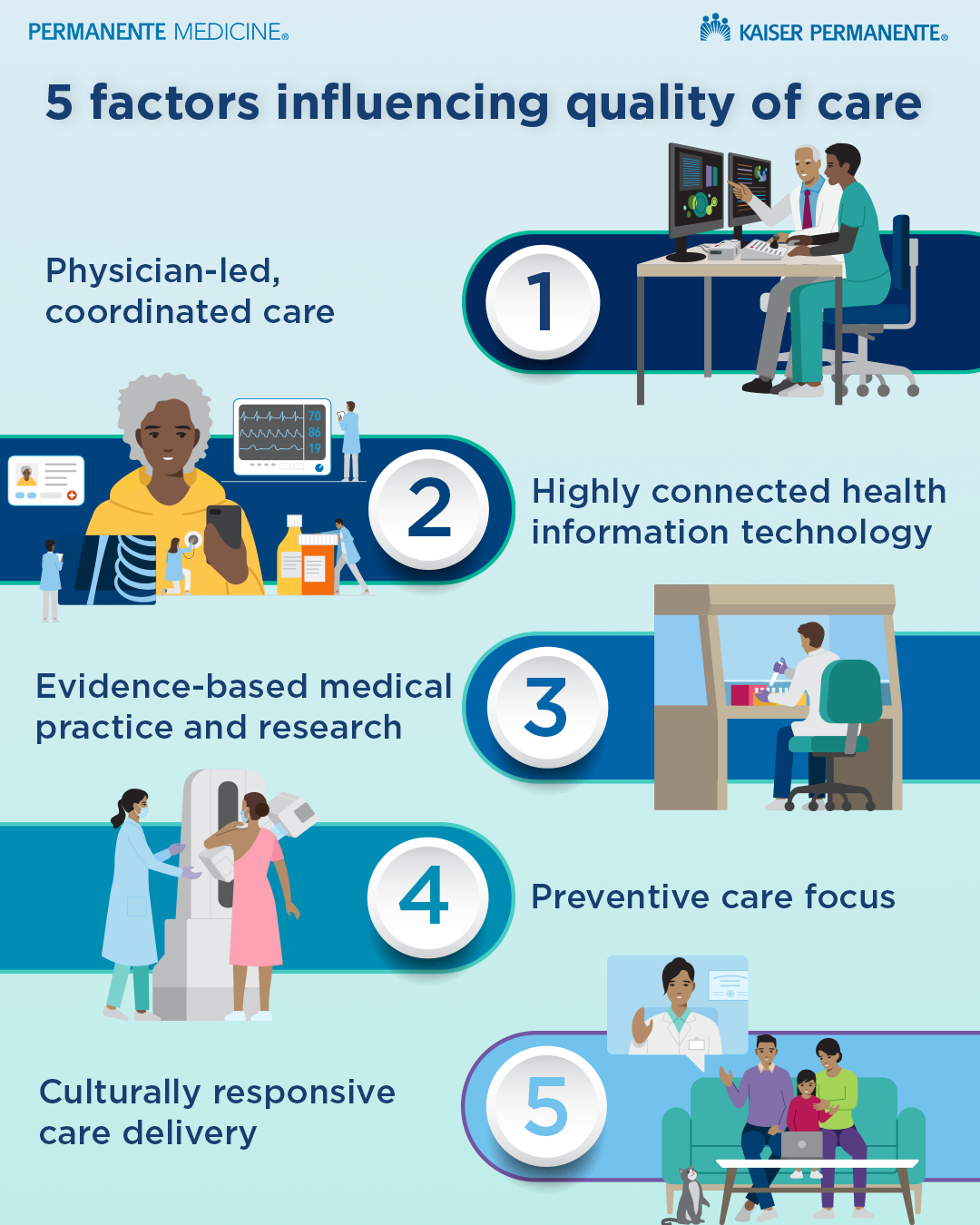
A key component of this is the primary care investment benchmark. The state has set an ambitious goal: by 2034, 15% of total medical spending should be directed toward primary care. This shift is based on the medical evidence that robust primary care—including early detection, chronic disease management, and behavioral health support—reduces the need for expensive emergency interventions and improves long-term population health, as outlined in the Primary Care Investment Benchmark.
the OHCA is tracking workforce stability and equity measures. By monitoring how cost targets affect different demographic groups, the office aims to ensure that the drive for affordability does not inadvertently widen the health gap for underserved populations. The objective is a “high-value” system where the cost of care is low, but the value—measured in health outcomes and patient satisfaction—is high.
Key Takeaways for Consumers and Providers
- For Patients: The goal is a reduction in the growth of premiums, deductibles, and copays, making it less likely that you will have to delay care due to cost.
- For Providers: There is a growing mandate to reduce administrative waste and shift focus toward primary care and prevention to avoid penalties.
- For the System: Healthcare spending will be more closely aligned with median income growth, curbing the trend of medical inflation.
- For Equity: Specific benchmarks are in place to ensure that vulnerable populations receive a fair share of investments in primary and behavioral health.
What Happens Next?
The transition to a more affordable system is a multi-year process. Following the data collection phase of 2025, the OHCA will continue to refine its equity and quality measures. The next critical checkpoint will be the implementation of the first wave of performance improvement plans for entities that exceed the cost growth targets, with potential enforcement actions beginning in 2028.
As we move toward the 2034 goal for primary care investment, the success of the OHCA will be measured not just by the numbers on a balance sheet, but by the number of Californians who no longer fear the cost of a doctor’s visit. This is a bold step toward treating healthcare as a sustainable public quality rather than an unchecked market commodity.
Do you feel cost-growth targets are the right way to handle healthcare inflation, or should the focus be elsewhere? Share your thoughts in the comments below or share this article with your community to start the conversation.
Related reading
- CVS Chief Medical Officer on Rebuilding Vaccine Trust After COVID-19
- One Year After National Women’s Health Strategy: No Clear Plan and Lacking Urgency
- RAP vs. IBR: What Your New Student Loan Bill Actually Costs (daybreakwire.com)
- DC US Attorney Jeanine Pirro’s Office Drops More Vandalism Charges (news-usa.today)