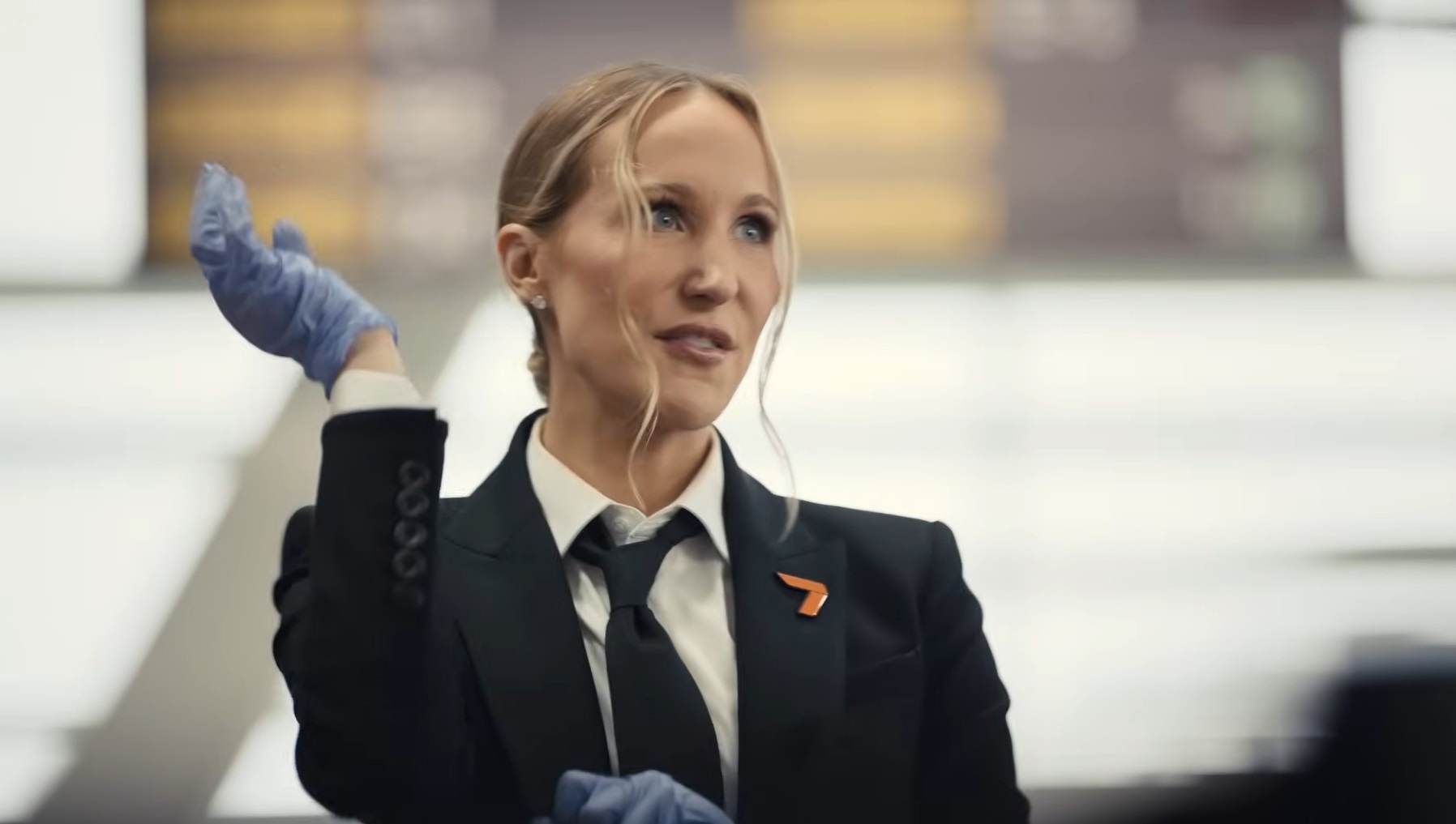
A recent advertising campaign for the video game Call of Duty: Black Ops 7 has been banned in the United Kingdom following a ruling by the Advertising Standards Authority (ASA). The advertisement, featuring comedian Nikki Glaser and actor Peter Stormare, was deemed to “trivialise sexual violence” and was found to be in breach of advertising standards. The decision highlights the ongoing scrutiny of content within the gaming industry and the responsibility of advertisers to avoid harmful depictions.
The 30-second advert, which initially launched in November 2025 to promote Black Ops 7, depicts Glaser and Stormare as airport security personnel who are “replacing” actual staff for a day to enjoy the novel game. The promotional spot quickly veers into uncomfortable territory, portraying the “replacers” abusing their authority and subjecting a passenger to a series of degrading interactions. The scenario includes Glaser pocketing a traveler’s watch, and Stormare declaring the passenger “randomly selected to be manhandled.” The advertisement culminates in a scene where Stormare instructs the passenger to remove his clothing while Glaser dons a rubber glove and states, “Time for the puppet show.”
The ASA received nine complaints regarding the advert, with viewers expressing concern over its depiction of potentially harmful acts. According to the ASA’s ruling, the advertisement “implied non-consensual insertion and presented it as humorous,” ultimately concluding that it trivialized sexual violence and was both irresponsible and offensive. The ruling, published on February 19, 2026, stated that the ad breached the Committee of Advertising Practice (CAP) Code, specifically rules 1.3 regarding social responsibility and 4.1 concerning causing offense or harm.
Clearcast Review and Activision’s Defense
Prior to its release, the advertisement underwent review by Clearcast, an organization responsible for vetting ads intended for broadcast in the UK. Clearcast reportedly implemented time restrictions to limit exposure to younger audiences, believing the advert presented a “deliberately implausible, parodic scenario” that did not mirror real airport security procedures. However, this measure was ultimately insufficient to address the concerns raised by the ASA.
Activision Blizzard, the publisher of Call of Duty: Black Ops 7, defended the advertisement, arguing that it was intended for a mature audience and that the humor employed was exaggerated and irreverent. They maintained that the scenario was clearly fictional and did not represent actual security protocols. Despite this defense, the ASA upheld the complaints, citing the potential for harm and offense caused by the advert’s content. The company did not immediately respond to requests for further comment following the ASA’s decision, according to reporting by PC Gamer.
The CAP Code and Advertising Standards
The CAP Code, enforced by the ASA, sets out the rules for advertising content in the UK. It aims to ensure that advertisements are legal, decent, honest, and truthful. Rule 4.1 specifically addresses the prohibition of advertising that condones or trivializes violence, including sexual violence. The ASA’s decision in the Call of Duty: Black Ops 7 case underscores the importance of adhering to these standards, even when employing humor or satire. The CAP Code is regularly updated to reflect evolving societal norms and concerns.
The ASA’s ruling means the advertisement cannot be broadcast in its current form. However, as Call of Duty: Black Ops 7 has already been released, the impact of the ban on sales or overall marketing efforts is likely to be limited. The incident, however, serves as a cautionary tale for advertisers in the gaming industry, highlighting the need for careful consideration of potentially sensitive content and the importance of responsible marketing practices.
Broader Implications for Gaming Advertising
This isn’t the first time advertising within the gaming industry has faced scrutiny. The increasing prevalence of mature themes and potentially controversial content in video games has led to heightened awareness and stricter regulation of marketing materials. The ASA’s decision regarding the Black Ops 7 advert is likely to prompt a reevaluation of advertising strategies by other game developers and publishers.
The debate surrounding the advertisement as well raises broader questions about the boundaries of humor and the portrayal of sensitive topics in entertainment. While some argue that satire and exaggeration are legitimate forms of artistic expression, others contend that such depictions can contribute to the normalization of harmful behaviors. The ASA’s ruling reflects a growing societal sensitivity to issues of sexual violence and a desire to protect vulnerable audiences from potentially damaging content.
The Role of Clearcast
Clearcast plays a crucial role in ensuring that advertisements comply with the CAP Code before they are broadcast. The organization reviews thousands of ads each year, providing guidance to advertisers and ensuring that content meets the required standards. While Clearcast initially approved the Black Ops 7 advert with time restrictions, the ASA’s subsequent ruling demonstrates that even pre-approved content can be subject to further scrutiny and potential bans. This highlights the complexities of regulating advertising content and the importance of ongoing dialogue between advertisers, regulators, and the public.
The incident also raises questions about the effectiveness of self-regulation within the advertising industry. While Clearcast operates independently, It’s funded by advertisers, which some critics argue could create a conflict of interest. The ASA, as an independent regulator, provides a crucial layer of oversight and accountability, ensuring that advertising standards are upheld in the public interest.
The ASA’s decision to ban the Call of Duty: Black Ops 7 advertisement sends a clear message to the gaming industry: responsible advertising practices are paramount, and the trivialization of sensitive issues like sexual violence will not be tolerated. The ruling is likely to have a lasting impact on the way video games are marketed in the UK and beyond, prompting a more cautious and considered approach to advertising content.
Looking ahead, the ASA will continue to monitor advertising content and respond to complaints from the public. The organization is also actively engaged in research to better understand the evolving landscape of advertising and the challenges of regulating content in the digital age. The ongoing debate surrounding the Call of Duty: Black Ops 7 advert underscores the importance of this work and the need for continued vigilance in protecting consumers from harmful or offensive advertising.
The next step in this case will likely involve Activision Blizzard reviewing its advertising policies and procedures to ensure future campaigns comply with the CAP Code. The company has not yet announced any specific plans to address the ASA’s ruling, but it is expected to issue a statement in the coming days. Readers interested in learning more about the ASA’s decision can find the full ruling on the ASA website. Share your thoughts on this controversial ad ban in the comments below.
Related reading