
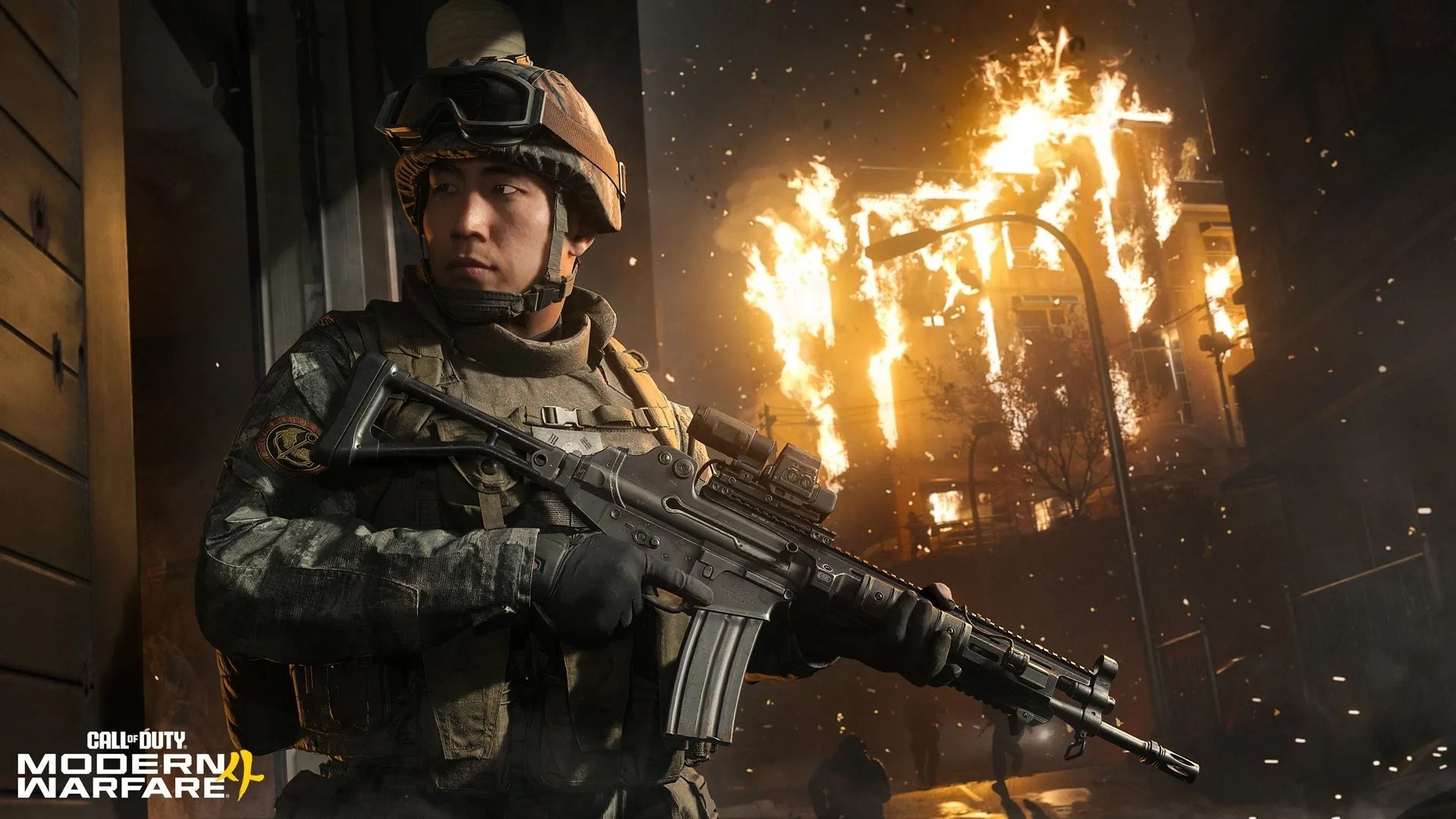
The landscape of modern first-person shooters is shifting, and the discourse surrounding the future of the Call of Duty franchise has intensified as players look toward potential new entries. Amidst swirling industry rumors regarding a prospective Call of Duty: Modern Warfare 4, a significant portion of the community and development leadership appear to be gravitating back toward the series’ roots: grounded, military-inspired realism. This potential pivot arrives at a time when the gaming industry is increasingly questioning the longevity of the “crossover-heavy” live-service model that has defined recent years.
For many veteran players, the prospect of a return to a more serious aesthetic—stripped of the vibrant, pop-culture-infused cosmetic bundles often compared to the style of Fortnite—represents a desire for the grit that originally defined the Modern Warfare sub-series. While Activision has not officially confirmed the development of a fourth installment in the sub-series, the conversation highlights a broader tension in the AAA gaming space between monetization through “operator skins” and the preservation of narrative immersion.
The Evolution of the Call of Duty Aesthetic
Since the integration of Call of Duty: Warzone, the franchise has leaned heavily into a collaborative model, featuring collaborations with high-profile celebrities, fictional characters, and colorful cosmetic items. While this strategy has been highly effective for revenue generation, it has also faced criticism from long-time fans who argue that it dilutes the tactical, grounded atmosphere that initially made the series a global phenomenon. According to official Activision corporate communications, the company continues to evaluate player feedback regarding live-service content to balance commercial goals with community expectations for military authenticity.

The technical requirements for modern titles have also necessitated difficult decisions regarding platform support. As software complexity grows, developers have increasingly moved to sunset support for legacy hardware. For example, Activision confirmed that as of September 2023, the original Call of Duty: Warzone Caldera servers were shut down to focus resources on current-generation experiences, reflecting a strategic shift toward modernizing the engine and feature set for newer consoles and PC hardware, as noted in official developer updates.
Market Dynamics and Platform Expansion
The conversation around Call of Duty is not limited to aesthetic choices; it also concerns platform accessibility. With the gaming community looking toward the next generation of hardware, including the anticipated successor to the Nintendo Switch, speculation regarding the franchise’s presence on new platforms remains high. Microsoft’s acquisition of Activision Blizzard, finalized in October 2023, has fundamentally changed the distribution landscape, with the company committing to bringing Call of Duty to Nintendo platforms as part of a 10-year agreement, according to official statements from Microsoft.
This expansion suggests that the franchise’s future will be defined by broader reach rather than exclusive confinement. However, the technical challenge of maintaining a “realistic” experience while optimizing for a wide range of hardware—from high-end PCs to mobile and handheld devices—remains a primary concern for developers. Ensuring that the core “feel” of the game remains consistent across these disparate platforms is likely to be a central focus of future development cycles.
What Lies Ahead for the Franchise
As we look toward the next official announcements from Activision, the tension between “live-service expansion” and “core realism” will continue to drive the discourse. Players are waiting for the next major reveal, which typically occurs during the annual summer showcase windows or dedicated franchise events. The industry is currently observing how the integration of AI-driven development tools and evolving graphics engines will influence the next generation of military shooters.

For now, the best way to stay informed is through official channels. Players are encouraged to monitor the official Call of Duty website and the company’s verified social media handles for the latest updates on release schedules, platform support, and gameplay changes. As the industry moves into the next phase of the console lifecycle, the balance between player-requested realism and the evolving demands of the digital marketplace will be the defining story for the Call of Duty brand.
What are your thoughts on the direction of the series? Do you prefer the tactical realism of the early titles, or do you enjoy the variety of the modern live-service era? Share your perspective in the comments below, and join the conversation as we track the future of the franchise.