
Patients with hypertension who are treated with GLP-1 receptor agonists may face an increased risk of experiencing hypotensive events, according to clinical observations discussed by medical researchers. These findings, which highlight a potential link between weight-loss and diabetes medications and a drop in blood pressure, suggest that patients already managed for high blood pressure may require closer monitoring when initiating therapies such as semaglutide or tirzepatide.
The clinical concern centers on patients reporting symptoms of dizziness, lightheadedness, and fainting shortly after beginning treatment with glucagon-like peptide-1 (GLP-1) receptor agonists. Dr. Micah J. Eimer, associate chief medical officer in the division of cardiology at Northwestern Medicine, noted that he and other clinicians have observed these symptoms in patients who previously maintained stable blood pressure levels through existing hypertension protocols. According to the American Heart Association, hypotension—or abnormally low blood pressure—can lead to syncope and falls, particularly in older populations or those on multiple cardiovascular medications.
Clinical Observations of GLP-1 Receptor Agonists and Blood Pressure
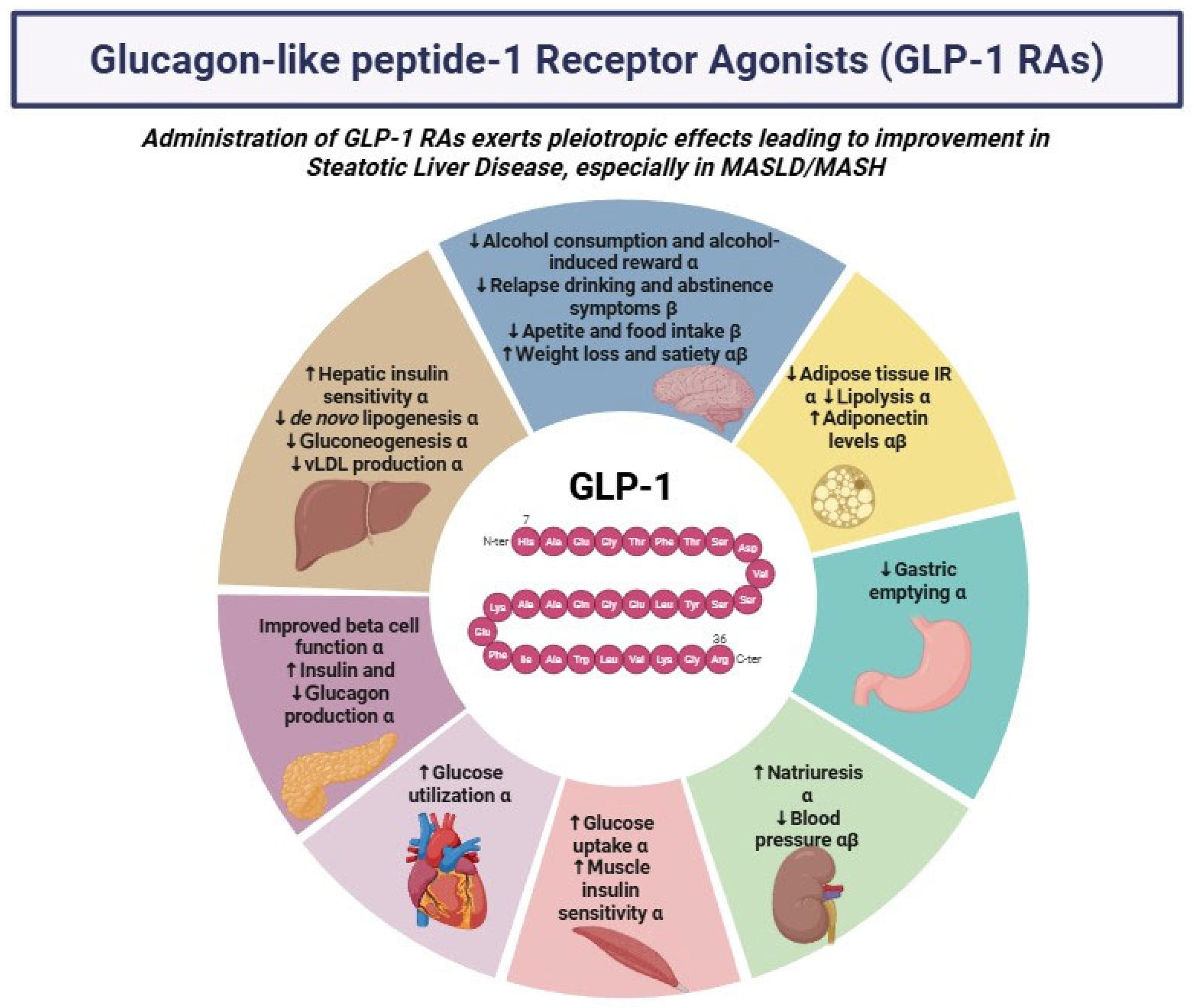
The mechanism by which GLP-1 receptor agonists influence blood pressure is a subject of ongoing investigation in the medical community. While these drugs are primarily prescribed for type 2 diabetes management and chronic weight management, their systemic effects extend beyond glycemic control. Research published by the National Institutes of Health indicates that GLP-1 therapies can lead to modest reductions in systolic blood pressure, likely through weight loss, improved endothelial function, and changes in sodium excretion.
However, for patients already taking antihypertensive medications, this additional reduction can sometimes push blood pressure levels into a range that causes symptomatic hypotension. Dr. Eimer reported observing patients who presented with low blood pressure readings during routine office examinations after being started on a GLP-1 regimen. This suggests that the cumulative effect of a patient’s existing blood pressure medication and the blood-pressure-lowering properties of the GLP-1 agonist may be additive, requiring a proactive adjustment of the patient’s overall treatment plan.
Managing Hypotensive Risks in Clinical Practice
For clinicians, the primary challenge involves balancing the metabolic benefits of GLP-1 receptor agonists with the potential for cardiovascular instability. The U.S. Food and Drug Administration (FDA) maintains safety databases that track adverse event reports, including cardiovascular outcomes, for all approved GLP-1 medications. Physicians are encouraged to review a patient’s complete medication list, especially if the patient is currently using beta-blockers, ACE inhibitors, or diuretics, which also act to lower blood pressure.
When initiating GLP-1 therapy, healthcare providers may consider the following steps to mitigate the risk of hypotensive events:
- Reviewing the dosage of existing antihypertensive agents to determine if a reduction is appropriate as the patient begins GLP-1 therapy.
- Educating patients on the early warning signs of hypotension, such as sudden dizziness when standing up (orthostatic hypotension) or lightheadedness.
- Scheduling more frequent follow-up blood pressure monitoring in the initial weeks following the start of a GLP-1 prescription.
- Encouraging adequate hydration, provided the patient does not have contraindications such as heart failure.
Why Cardiovascular Monitoring Matters
The relationship between metabolic health and cardiovascular stability is complex. According to the American College of Cardiology, while GLP-1 receptor agonists have demonstrated significant benefits in reducing major adverse cardiovascular events (MACE) in high-risk patients, individual responses to these medications can vary widely. The reported cases of hypotension emphasize the need for personalized medicine, where the patient’s full cardiovascular profile is assessed before and during treatment.
As the use of GLP-1 receptor agonists continues to rise globally, the medical community is focusing on identifying which patient subgroups may be most susceptible to blood pressure fluctuations. Current clinical guidance emphasizes that patients should not discontinue prescribed hypertension medication without direct supervision from their cardiologist or primary care physician. If a patient experiences symptoms of low blood pressure, they should contact their healthcare provider to discuss a potential adjustment in their dosage rather than stopping treatment abruptly.
Next Steps in Clinical Research
The medical community expects further data to emerge as more long-term studies regarding the cardiovascular impact of these medications are concluded. Future clinical trials and retrospective registry analyses will likely provide clearer guidelines on how to manage blood pressure titration in patients on dual therapy for metabolic and cardiovascular conditions. Monitoring remains the current standard of care to ensure that the metabolic advantages of GLP-1 therapies do not come at the expense of patient safety regarding blood pressure management.
Patients and healthcare providers can stay updated on safety advisories and clinical guidelines through the European Medicines Agency and the FDA’s official drug safety portals. If you are currently taking a GLP-1 agonist and have concerns regarding your blood pressure readings, please consult your physician to schedule a review of your current treatment regimen. We invite readers to share their questions or experiences regarding medication management in the comments section below.
Related reading