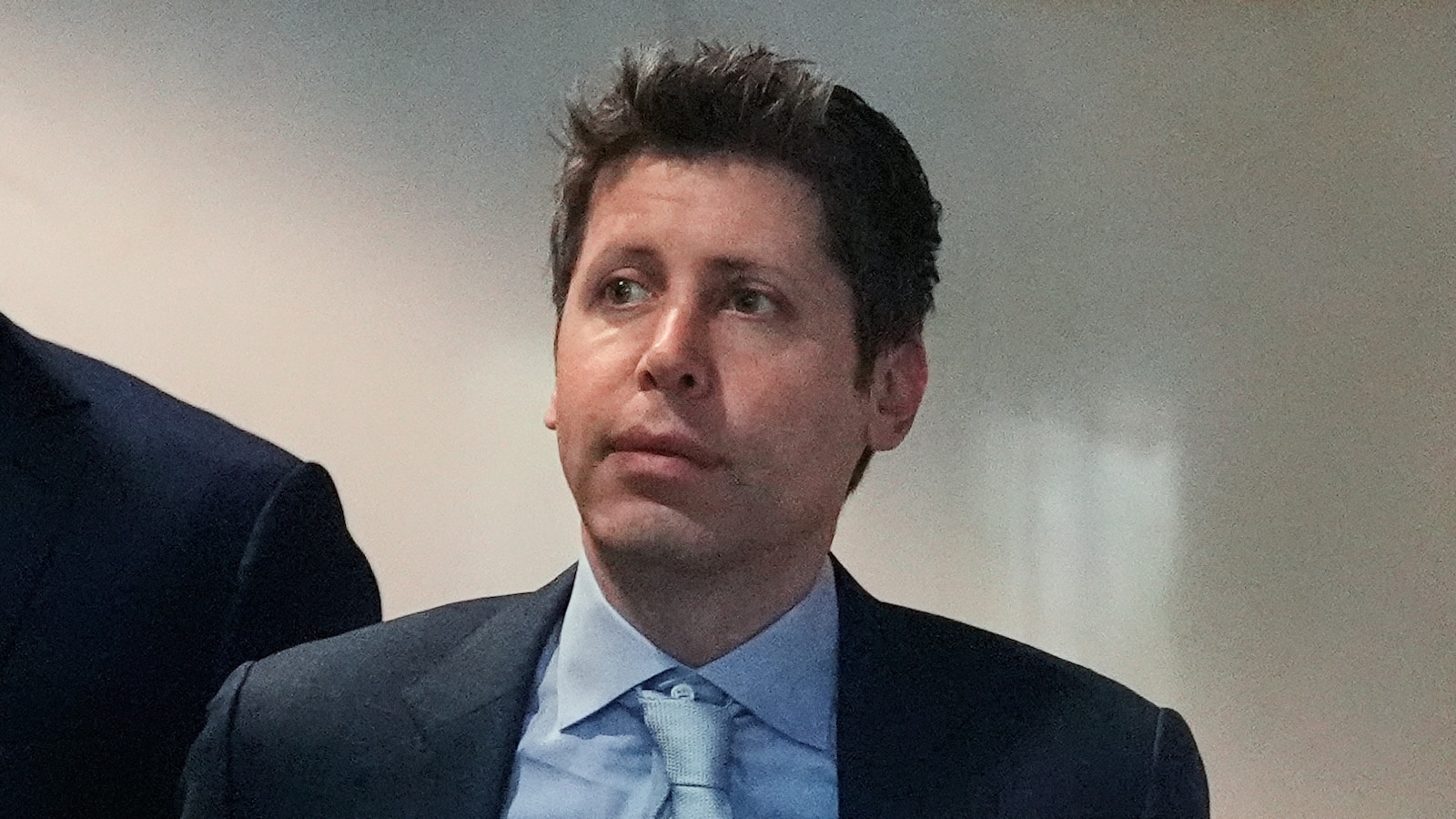
State attorneys general and consumer protection agencies have launched a coordinated inquiry into OpenAI, focusing on the potential for user harm and data privacy risks associated with its artificial intelligence models. This multistate investigation arrives as the San Francisco-based company reportedly evaluates a potential initial public offering, intensifying scrutiny over how its large language models handle sensitive user information and adhere to existing consumer protection statutes.
The probe, which involves multiple jurisdictions, seeks to determine whether the company’s deployment of generative AI has adequately mitigated risks related to misinformation, data security, and the unauthorized processing of personal data. According to reports from the Financial Times, the inquiry reflects a growing trend of state-level intervention in the absence of comprehensive federal legislation governing the rapidly evolving AI sector.
Regulatory Scrutiny and the Path to Market
The interest from state regulators comes at a critical juncture for OpenAI. The company, which maintains a significant partnership with Microsoft, is currently working to restructure its corporate governance and navigate complex market conditions as it considers a transition to a public entity. Financial analysts note that regulatory hurdles often create significant volatility for technology firms preparing for an IPO, particularly when those firms are at the center of public safety debates.
State officials are focusing their attention on the “safety of OpenAI customers,” specifically examining whether the company’s terms of service and data-handling practices comply with the California Consumer Privacy Act (CCPA) and similar statutes in other states. These laws provide consumers with specific rights regarding the collection and sale of their personal data, including the right to opt out of certain data processing activities. The Federal Trade Commission (FTC) has also signaled its intent to monitor the AI industry for deceptive trade practices, creating a dual-layer regulatory environment that complicates the company’s path to the public markets.
Identifying Risks to Consumers
The primary concern cited by investigators involves the potential for “hallucinations”—instances where AI models generate false or misleading information—and the security of user inputs. Because users frequently provide proprietary or sensitive personal information to chatbots, the risk of data leakage or unauthorized training on private data remains a central point of contention.
Legal experts suggest that the multistate probe may eventually lead to formal discovery processes, where the company would be required to provide documentation regarding its safety testing protocols and internal data governance. According to the Electronic Frontier Foundation, the lack of transparency regarding how these models are trained makes it difficult for consumers to assess the risks of using such platforms. OpenAI has consistently maintained that it is committed to building “safe and beneficial” AI, often highlighting its alignment with Executive Order 14110, which mandates rigorous safety assessments for advanced AI systems.
What Happens Next for Users and Investors
For the average user, the investigation underscores the importance of exercising caution when inputting sensitive data into AI tools. Consumer advocacy groups recommend that users review the privacy settings of their accounts and utilize the “opt-out” features provided by the company to prevent their interactions from being used for future model training.

For investors, the probe serves as a reminder of the “regulatory tail risk” inherent in the AI sector. As state attorneys general continue to coordinate their efforts, the company may face increased compliance costs and potential litigation that could affect the timeline of any anticipated public offering. The next confirmed checkpoint for this issue will be the release of any formal findings from the participating attorneys general or the filing of civil investigative demands, which would signal a shift from preliminary inquiry to formal legal action.
This evolving story remains subject to further developments as state regulators review the company’s responses. Readers are encouraged to check for updates on the websites of their respective state attorneys general offices, which serve as the primary sources for information regarding consumer protection investigations in their jurisdictions. We will continue to monitor these filings and provide updates as more information becomes available. Join the conversation in the comments section below to share your perspective on AI oversight.
Related reading
- Prabowo Proposes Ad Hoc Court for SOE Losses; Minister Clarifies It Was Only an Example
- Partial Building Collapse in Marseille: Illegal Neighboring Works Suspected
- Apple Warns iPhone Users in 110 Countries of Mercenary Spyware Attacks (archynewsy.com)
- Nigel Farage returns to Parliament but faces probe over £5m donation (time.news)