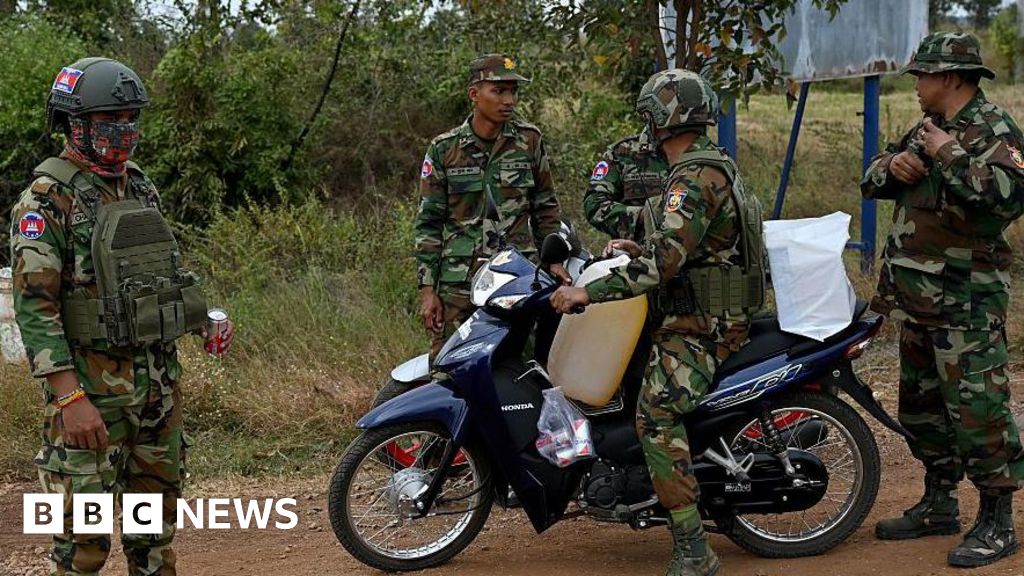
Renewed Conflict Flares Between Thailand and Cambodia Despite Ceasefire Efforts
Tensions along teh Thailand-Cambodia border have reignited, shattering hopes for a lasting peace despite recent diplomatic interventions.The latest escalation,marked by air strikes and rocket barrages,underscores a century-old dispute and raises concerns for regional stability. This article provides a comprehensive overview of the conflict, its history, recent developments, and the challenges to achieving a durable resolution.
A History of Border Disputes
the roots of the conflict trace back to 1907, when French cartographers demarcated the 800km (approximately 500 miles) border during the colonial era. This past boundary has been a source of contention ever as, with both Thailand and Cambodia laying claim to overlapping territories.
For decades, disputes centered around the preah Vihear Temple, a UNESCO World Heritage site. The International Court of Justice (ICJ) ruled in 1962 that the temple belonged to Cambodia, but questions regarding the surrounding territory remained unresolved.
Recent Escalation: from July Barrages to December Strikes
The current crisis escalated dramatically on july 24th, when Cambodia initiated a barrage of rockets into Thailand. Thailand responded with retaliatory air strikes, marking a significant intensification of the long-simmering conflict.
* Initial Casualties: The initial fighting resulted in at least 11 civilian deaths and 59 injuries.
* Mass Evacuations: Approximately 700,000 people where evacuated from border regions on both sides.
TrumpS Intervention and the Fragile October Ceasefire
Former U.S. President Donald Trump attempted to mediate the conflict, initially claiming he could halt the fighting with a single phone call. Following discussions with both Thai and Cambodian Prime Ministers in late October, Trump announced a “cease shooting effective this evening,” referencing a previous agreement signed in front of him during a ceremony in Malaysia, co-brokered with Malaysian Prime minister Anwar Ibrahim.
However, the optimism proved short-lived.
* Conflicting Accounts: Neither side publicly confirmed an imminent ceasefire following their conversations with Trump.
* Mutual Accusations: Both countries continued to accuse each other of violating the truce.
Breakdown of Trust and Renewed Hostilities
The fragile ceasefire quickly unraveled, fueled by distrust and continued accusations. Thailand asserted that Cambodia was not the aggressor and demanded proof of Cambodian troop withdrawal and landmine removal before agreeing to a lasting ceasefire. Cambodia, conversely, maintained its right to defend its sovereignty.
This week, the situation deteriorated further. Thailand launched air strikes inside Cambodia after two of its soldiers were injured in a skirmish. Cambodia responded with rocket attacks, impacting six provinces in both countries.
* December 13th Strikes: The Cambodian defence ministry reported that thai F-16 fighter jets dropped seven bombs on Cambodian targets.
* Continued Bombing: The Thai military confirmed ongoing fighting as of Saturday.
Landmines and Lingering Tensions
A notably contentious issue is the presence of landmines along the border. Thailand alleges Cambodian troops have been laying new mines, resulting in injuries to seven Thai soldiers. Cambodia attributes the mines to remnants of the civil war in the 1980s.
This adds another layer of complexity to the conflict, hindering de-escalation efforts and posing a significant threat to civilians.
U.S. Leverage and Thai Concerns
In July,the U.S. employed tariffs as leverage to encourage de-escalation. However, Thailand has cautioned the U.S. against linking the conflict to trade relations.This highlights the delicate diplomatic balance and the need for a multifaceted approach.
What Does This Mean for You?
The renewed conflict has significant implications for regional security and stability. It also impacts:
* Regional Trade: Disruptions to border trade and transportation.
* Humanitarian Concerns: The ongoing displacement of civilians and the risk of further casualties.
* International Relations: The potential for broader geopolitical implications.
Looking Ahead: The Path to Resolution
Achieving a lasting peace requires a commitment to dialog, transparency, and a willingness to address the underlying historical grievances.Key steps include:
* independent Verification: Establishing a neutral body to verify troop withdrawals
Related reading
- Iganga Deputy RDC Lyavala Slams Parish Chiefs Over PDM Petition and Insubordination
- Ukraine War Update: Missile Attacks, Strategic Shifts, and New Russian Offensives
- Wolfenstein SteamDB Updates Fuel Remaster Speculation (archyworldys.com)
- Janel Grant Lawsuit Against Vince McMahon and WWE Officially Closed (newsdirectory3.com)