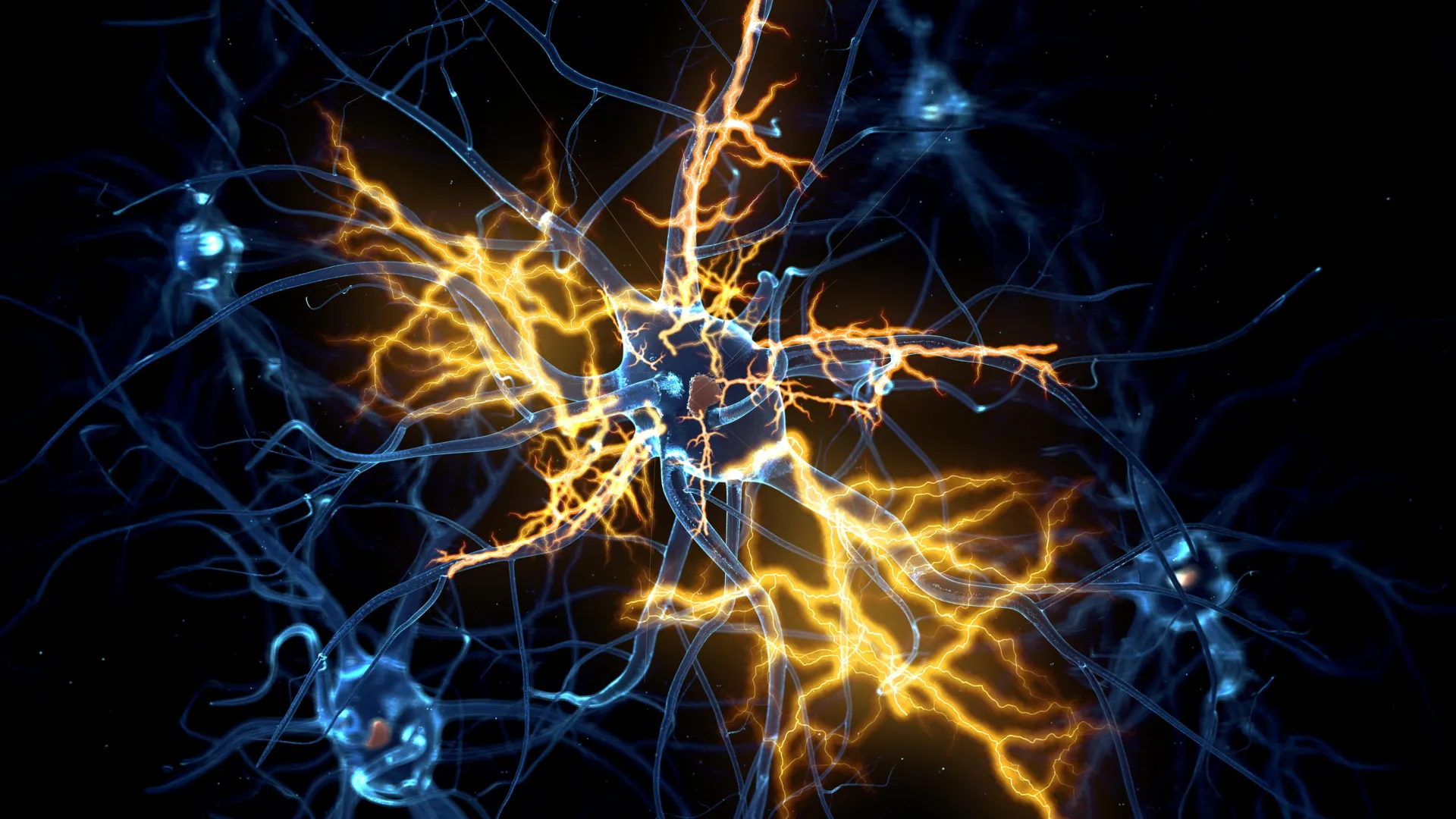
In the field of regenerative medicine, the prospect of reversing nerve damage that has long been considered permanent is moving from the realm of theory toward laboratory reality. Recent breakthroughs in developmental biology have led researchers to create miniature, lab-grown neural systems—often referred to as organoids—that mimic the complex architecture of the human brain and spinal cord. These sophisticated models are providing unprecedented insights into why the human nervous system loses its capacity for self-repair as it matures, and, more importantly, how that latent ability might be reawakened.
As a physician, I have witnessed the profound, life-altering impact that spinal cord injuries and neurodegenerative conditions have on patients. For decades, the medical community has operated under the assumption that central nervous system fibers lack the intrinsic ability to regenerate after injury. However, new research suggests that this loss of regenerative capacity is not an absolute biological dead-end, but rather a tightly regulated process that occurs as we transition from development to adulthood. By identifying the specific genetic networks involved, scientists are beginning to map a path toward therapeutic intervention.
Understanding the Developmental “Switch”
The core of this discovery lies in the observation that human neurons exhibit a high degree of plasticity during early development, a window of time when they are exceptionally capable of growing and forming new connections. As the nervous system reaches maturity, this growth potential is systematically suppressed. Researchers have found that this is not merely a passive loss of function, but an active, gene-controlled transition.

By studying miniature brain-and-spinal-cord systems, scientists can observe these neurons in a controlled environment. These models are capable of sending electrical signals and triggering muscle contractions, serving as a functional proxy for human physiology. The research team identified a network of genes that acts as a gatekeeper for this regenerative ability. When these genes are active, they facilitate the growth of nerve fibers; when they are silenced, the capacity for repair diminishes. The challenge, is to identify methods to revert mature neurons to an earlier, more “growth-permissive” state without disrupting the stability of the existing network.
Hormonal Intervention and Nerve Regrowth
One of the most compelling findings from this research is the potential for pharmacological intervention. The team discovered that an existing hormone drug could be utilized to stimulate the gene network responsible for nerve fiber regrowth. In laboratory settings, the application of this hormone resulted in a dramatic increase in the ability of nerve fibers to extend and bridge gaps, even in models that had previously been considered mature and non-regenerative.
This approach is particularly promising because it utilizes a compound with a known safety profile. Repurposing existing drugs—a process known as drug repositioning—can significantly accelerate the timeline from laboratory discovery to clinical trial. While these findings are currently limited to laboratory models, they represent a significant shift in our understanding of nerve repair. The ability to “switch back on” the innate growth machinery of neurons offers a new avenue for treating conditions ranging from traumatic spinal cord injuries to various peripheral nerve disorders.
The Future of Regenerative Neurology
While these laboratory models provide a vital “proof of concept,” it is essential to maintain a measured perspective. Translating success from an organoid system to a clinical setting involves immense complexity, including the need for precise delivery mechanisms and the management of long-term cellular responses in a living human subject. Nevertheless, the identification of a specific gene network provides a clear target for future therapeutic development.
As we look ahead, the integration of organoid technology into broader neuroscience research will likely continue to yield insights into the fundamental mechanisms of cellular repair. Future studies will focus on refining the dosage and delivery of hormone-based therapies to ensure they effectively target damaged areas without causing systemic side effects. The scientific community is currently awaiting further peer-reviewed data on the long-term stability and functional integration of these regrown nerve fibers, which will be critical for determining the viability of human clinical trials.
The path toward reversing nerve damage is long and complex, but the convergence of organoid technology and targeted genetic therapy is opening doors that were previously firmly closed. As research progresses, we remain dedicated to tracking these developments and providing updates as they emerge from the laboratory to the clinical stage. We invite our readers to share their thoughts and experiences in the comments section below, as we continue to explore the frontiers of modern medicine.
Keep reading