
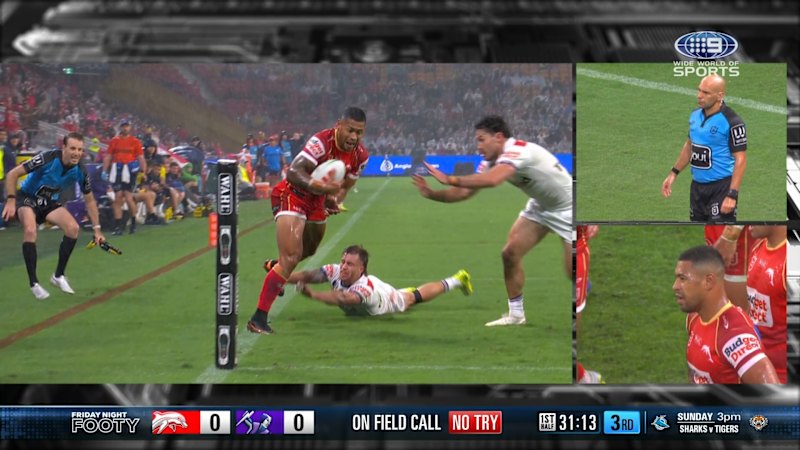
In a high-stakes encounter that underscored the defensive intensity of the National Rugby League (NRL), the Melbourne Storm’s defensive unit successfully neutralized one of the game’s most potent attacking threats. The coordinated effort by Cameron Munster and Nick Meaney to stop Jamayne Isaako from scoring highlighted the tactical discipline required to stifle the Dolphins’ dynamic winger.
The clash between the Melbourne Storm and the Dolphins has evolved into a significant rivalry, characterized by a contrast in styles: the Storm’s clinical, structured precision against the Dolphins’ explosive unpredictability. Central to this battle was the effort to contain Isaako, whose ability to find the try line has made him a focal point for opposing defensive coordinators.
The specific defensive pressure applied by Munster and Meaney serves as a case study in NRL defensive synergy. By closing gaps and anticipating Isaako’s movements, the Storm duo managed to prevent the winger from breaking through, ensuring that the Dolphins’ offensive momentum was halted at critical junctures of the match.
Tactical Breakdown: Neutralizing Jamayne Isaako
Jamayne Isaako is widely regarded as one of the most dangerous finishers in the league, possessing a combination of raw speed and aerial prowess. To stop an airborne threat like Isaako, defenders must execute a “perfect” tackle—timing the jump and the wrap simultaneously to prevent the attacker from grounding the ball.
The synergy between Cameron Munster and Nick Meaney was pivotal in this effort. Munster, operating as the playmaker, often provides the initial defensive read, while Meaney’s positioning allows him to provide the secondary cover. When Isaako attempted to leverage his verticality, the combined pressure from both players limited his options, effectively stripping him of the space needed to complete the score.
This defensive success is not merely a result of physical effort but of strategic positioning. In the NRL, stopping a winger requires a coordinated shift in the defensive line to ensure You’ll see no “overlaps.” By maintaining a tight connection, Munster and Meaney ensured that Isaako was met with a wall of defense rather than a single isolated tackler.
The Evolution of the Storm-Dolphins Dynamic
The relationship between these two clubs has taken an interesting turn in recent recruitment news. According to reporting by 7NEWS, the Melbourne Storm have secured the services of Jamayne Isaako on a two-year deal. This move is designed to address a looming gap in the Storm’s roster, as Nick Meaney is expected to depart for Perth in 2027.
The irony of the situation—where Meaney and Munster worked so tirelessly to stop Isaako—is not lost on analysts. The Storm’s decision to sign the exceptionally player they struggled to contain demonstrates a strategic desire to incorporate Isaako’s speed and versatility into their own attacking schemes. This transition represents a “like-for-like” replacement, ensuring that the Storm maintain their goal-kicking and finishing capabilities on the wing.
For the Dolphins, the loss of Isaako marks a significant shift in their offensive identity. As a primary strike weapon, Isaako’s departure will force the Dolphins to diversify their attack and find new ways to penetrate the defenses of the league’s top teams.
Key Defensive Factors in the Match
- Closing the Gap: The ability of Munster and Meaney to reduce the distance between the defender and the attacker before Isaako could reach peak velocity.
- Aerial Containment: Timing the jump to disrupt Isaako’s balance during high-ball contests.
- Communication: The verbal and non-verbal cues between the Storm’s backline that prevented a defensive lapse.
- Physical Pressure: Utilizing high-impact tackling to force errors or turnovers in possession.
Impact on the 2026 NRL Season
As the league progresses through the 2026 season, the integration of Jamayne Isaako into the Melbourne Storm’s system will be a key storyline to watch. The Storm’s ability to pivot from defending against Isaako to utilizing him as a weapon could potentially shift the balance of power in the competition.
The move also highlights the increasing mobility of players between clubs, as teams seek to optimize their rosters for championship contention. The Storm’s proactive approach to replacing Nick Meaney suggests a long-term strategy aimed at maintaining their status as perennial contenders.
For fans and analysts, the transition of Isaako from “adversary” to “teammate” provides a fascinating look at the professional nature of the NRL, where the most fierce competitors on the field can become the most vital assets in the locker room.
Frequently Asked Questions
Who are Cameron Munster and Nick Meaney?
They are key players for the Melbourne Storm, known for their tactical intelligence and defensive reliability in the NRL.
Why is Jamayne Isaako considered a threat?
Isaako is recognized for his exceptional speed and ability to score tries, particularly through aerial plays and line breaks.
What is the significance of the Storm signing Isaako?
The move replaces the departing Nick Meaney and adds a high-quality, experienced winger to the Storm’s roster on a two-year contract.
The next major checkpoint for the Melbourne Storm will be the official announcement of their final roster adjustments as they prepare for the upcoming finals series and the transition period leading into 2027.
We invite our readers to share their thoughts on the Storm’s recruitment strategy in the comments below. Do you believe Jamayne Isaako is the ideal replacement for Nick Meaney?