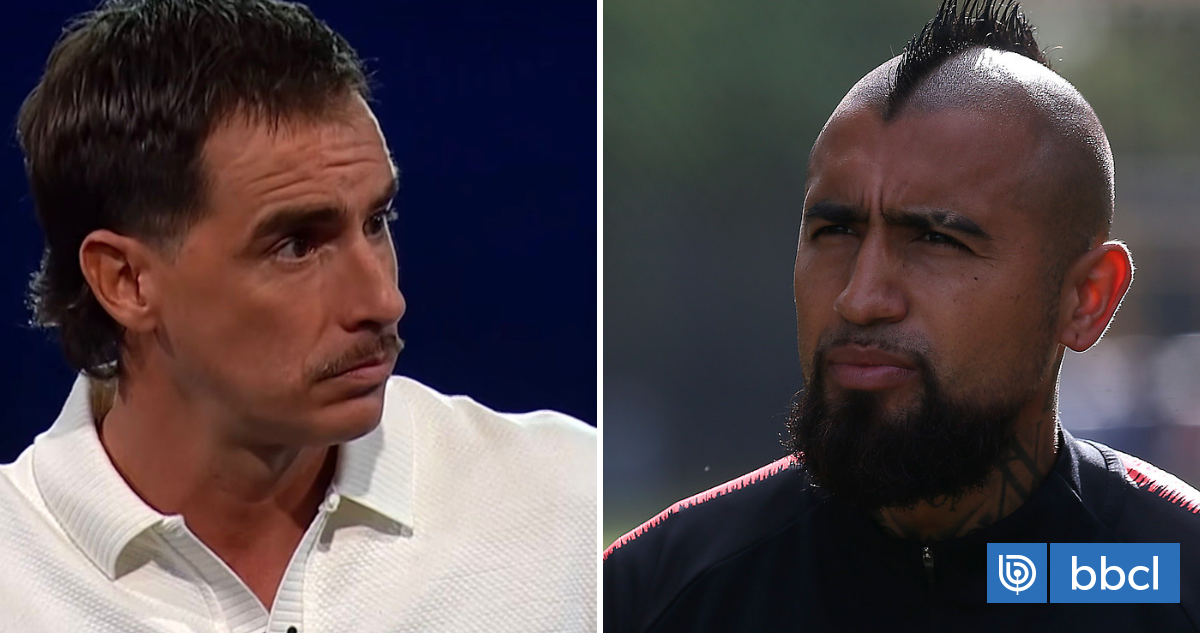
Camilo Huerta, a Chilean television personality and social media influencer, revealed in a recent interview that he felt fear of potential retaliation from former Barcelona and Chile midfielder Arturo Vidal following a controversial social media post. The disclosure came amid ongoing public scrutiny of Huerta’s personal life, particularly surrounding allegations of infidelity and strained relationships with fellow public figures. Huerta’s comments have reignited discussions about the influence and conduct of high-profile athletes in Chile, especially when their actions extend beyond the pitch into personal disputes.
The situation traces back to a series of Instagram stories and public exchanges in which Huerta addressed rumors about his relationship with model and influencer Trini Neira. During that period, Vidal — who has been married to María Teresa Fuentes since 2013 — reportedly reacted strongly to Huerta’s online activity. Although Vidal did not issue a direct public statement, Huerta stated that private messages and indirect signals led him to believe the footballer might take action against him. “I was afraid,” Huerta said in a televised interview, “not because I did anything wrong, but because of who he is and what he’s capable of.” He did not specify the nature of the feared retaliation but emphasized that the psychological impact was real.
Arturo Vidal, known for his intense playing style and outspoken personality, has frequently been involved in off-field controversies throughout his career. The 37-year-old midfielder, currently playing for Colo-Colo in the Chilean Primera División, has a history of public confrontations, including incidents involving teammates, referees, and media personalities. His reputation for reacting strongly to perceived slights has made him a polarizing figure in Chilean sports culture. While Vidal has not publicly addressed Huerta’s claims, his past behavior has lent credibility to the concern expressed by the television host.
Huerta’s revelation adds another layer to a complex web of personal and public conflicts involving Chilean celebrities. Earlier in 2024, Huerta appeared on several talk shows to discuss his separation from Marité Matus, a well-known influencer and entrepreneur, with whom he shared a highly publicized relationship. Their breakup was marked by mutual accusations and social media exchanges, including a widely circulated clip in which Matus recalled Huerta making an inappropriate comment during a live broadcast. Huerta later provided his version of events on Cooperativa.cl, stating that the relationship had deteriorated due to trust issues and differing life goals.
The involvement of Arturo Vidal in this narrative stems from his connection to Trini Neira, who has been linked to the footballer in past rumors — though neither party has ever confirmed a romantic relationship. Neira, a model and social media figure with over a million followers on Instagram, has maintained a low profile regarding her personal life in recent months. When Huerta shared screenshots of messages exchanged with Neira during a segment on La Cuarta, host Fran García-Huidobro read them aloud on air, intensifying public speculation. The move prompted debate about privacy, media ethics, and the boundaries of public discourse in Chile’s entertainment landscape.
Despite the tension, no legal actions or formal complaints have been filed by either Huerta or Vidal in connection with the social media exchange. Chilean authorities have not been involved, and neither party has pursued restraining orders or civil claims. Huerta emphasized that his decision to speak publicly was motivated by a desire to clarify the record and address what he described as an atmosphere of intimidation, rather than to provoke further conflict.
The broader context includes growing concern over the influence of athletes and celebrities in shaping public narratives, particularly when they use their platforms to respond to personal matters. In Chile, where football holds immense cultural significance, figures like Vidal often wield considerable social capital. Their ability to attract attention — positive or negative — means that even indirect actions can carry weight in public perception. Media analysts have noted that such dynamics can blur the lines between celebrity gossip and genuine concerns about conduct, especially when fear of retaliation is cited.
Huerta, who began his career as a reality TV contestant before transitioning into hosting and digital content creation, has become a recurring figure in Chilean celebrity news. His openness about personal struggles, including anxiety and the pressures of public life, has resonated with some audiences while drawing criticism from others who view his disclosures as sensationalist. Still, his willingness to discuss emotional vulnerability in a high-profile context remains relatively uncommon in the local media landscape.
As of now, Arturo Vidal continues to focus on his role with Colo-Colo, where he serves as both a key player and a symbolic leader. The club has not issued any internal statements regarding his off-field conduct, and Vidal has not addressed the matter in press conferences or social media updates. His recent performances on the pitch have been consistent, though he has faced occasional criticism for disciplinary incidents during matches.
For Camilo Huerta, the immediate future appears centered on rebuilding his public image and managing the fallout from these personal revelations. He has not announced any new television projects but remains active on social media, where he shares lifestyle content and engages with followers. Whether he will continue to speak openly about his experiences remains uncertain, but his recent comments have already contributed to a national conversation about accountability, fear, and the hidden pressures of fame in Chile.
There are no confirmed upcoming legal proceedings, public statements, or official investigations related to this matter. Should either party choose to address the situation further, it would likely occur through media interviews or social media updates rather than formal channels. For now, the story remains a case study in how personal conflicts among public figures can escalate when amplified by digital platforms and the enduring influence of sports icons.
If you have thoughts on this developing story or similar cases involving athletes and public conduct, we encourage you to share your perspective in the comments below. Feel free to share this article with others who may be interested in the intersection of sports, media, and personal responsibility in Latin America.
Related reading