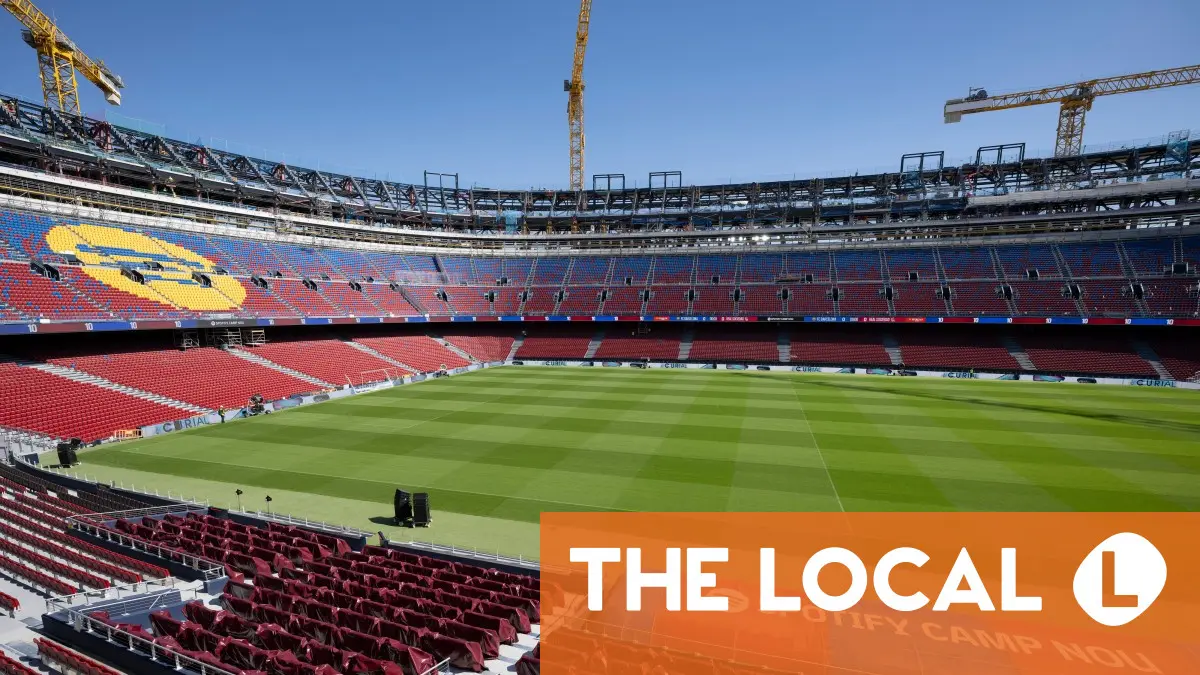
The Camp Nou Reborn: A deep dive into Barcelona’s Stadium Transformation
The wait is almost over. on November 22nd, Camp Nou, the iconic home of FC Barcelona, will once again host a La Liga match - against Athletic Bilbao – marking the end of a challenging two-year exile. But this isn’t just a reopening; it’s the unveiling of a dramatically transformed stadium, a project steeped in ambition, delays, and a staggering €1.5 billion investment. Are you ready to explore the details of this monumental undertaking?
Since the closure at the end of the 2022/23 season, Barcelona has temporarily called the Olympic Stadium on Montjuïc hill home. While functional, it lacked the atmosphere and sheer scale of the Camp Nou, impacting both the team and the passionate fanbase. This return signifies more then just convenience; it’s a return to identity.
A History of Delays & A Billion-Euro Vision
The reconstruction, originally slated for completion a year prior, faced a series of setbacks. construction chaos, supply chain issues, and the complexities of working on a site with such past significance all contributed to the delays. Though, the vision remains clear: to create a world-class stadium fit for the 21st century.
This isn’t simply a renovation; it’s a complete overhaul. the project aims to increase capacity to 105,000, add a retractable roof, and modernize every aspect of the fan experience. But what does this mean for your matchday experience?
Here’s a breakdown of the key changes:
* Initial Capacity: 45,401 spectators for the initial reopening phase.
* Future Capacity: A planned 105,000 once the top tier is completed.
* retractable Roof: Scheduled for installation in the summer of 2027.
* sustainability Focus: The stadium incorporates sustainable technologies, aiming for a reduced environmental impact.
* Enhanced Fan Zones: Expanded and modernized fan zones will offer improved amenities and entertainment.
Barcelona recently hosted a triumphant test event, welcoming 23,000 fans for a training session in early November. this served as a crucial dress rehearsal, allowing the club to fine-tune operations and address any remaining safety concerns. They are also awaiting UEFA approval to host their Champions League match against Eintracht Frankfurt on December 9th at the newly reopened Camp Nou.
Understanding the Context: Stadium Investment Trends
Barcelona’s investment in Camp Nou aligns with a broader trend of stadium modernization across Europe. According to a recent report by Deloitte (November 2023), European football clubs invested over €3 billion in stadium infrastructure in the past year alone, driven by the desire to enhance revenue streams and improve the fan experience. https://www2.deloitte.com/uk/en/pages/sports-business/articles/european-football-stadium-investment.html
The original Camp Nou, built in 1957, held a capacity of 99,000. While steeped in history, it lacked the modern amenities and revenue-generating opportunities of newer stadiums. This transformation is crucial for Barcelona to remain competitive both on and off the pitch.
Addressing Early Season Challenges
The road back to Camp Nou hasn’t been without its hurdles.Early in the season, Barcelona was forced to play two matches at their smaller Johan Cruyff training ground stadium due to permit issues related to safety regulations. This highlighted the complexities of the reconstruction process and the importance of meticulous planning.
What does this mean for Barcelona fans?
The reopening of Camp Nou is a momentous occasion. It represents a renewed commitment to the club’s heritage and a bold step towards a brighter future. While the initial capacity will be limited, the eventual completion of the project will create a truly world-class stadium that will inspire players and captivate fans for generations to come.
Evergreen Insights: The Future of Stadium Design
Stadium design is evolving rapidly. Beyond simply providing seating, modern stadiums are becoming multi-functional entertainment hubs. We’re seeing a growing emphasis on:
* Fan Experience: Premium seating
Keep reading
- Toronto FC II vs Columbus Crew II: Predictions, Analysis & Betting Tips – H2H Stats, Team Form & Key Trends
- Russian Missile and Drone Strikes Kill 13 Across Ukraine Including Two Children
- Google Pixel 11 Pro: Leaks, Price Hikes, and New Glow Color Details (newsdirectory3.com)
- Barcelona Reject Bids for Bournemouth Striker Eli Junior Kroupi (world-today-news.com)