
Afghanistan’s violence is no longer primarily driven by insurgency or foreign intervention—it is now closely linked to socioeconomic collapse, with rising unemployment, drought-induced famine, and the shrinking humanitarian aid pipeline creating a volatile mix that experts warn could spiral into broader instability. Since the Taliban regained control in August 2021, the country has seen a dramatic shift in the nature of conflict, where economic desperation and factional power struggles are increasingly fueling clashes that were once tied to ideological or territorial disputes. According to the United Nations, Afghanistan now faces its worst humanitarian crisis in decades, with 97% of the population living below the poverty line and 19 million people in need of urgent assistance.
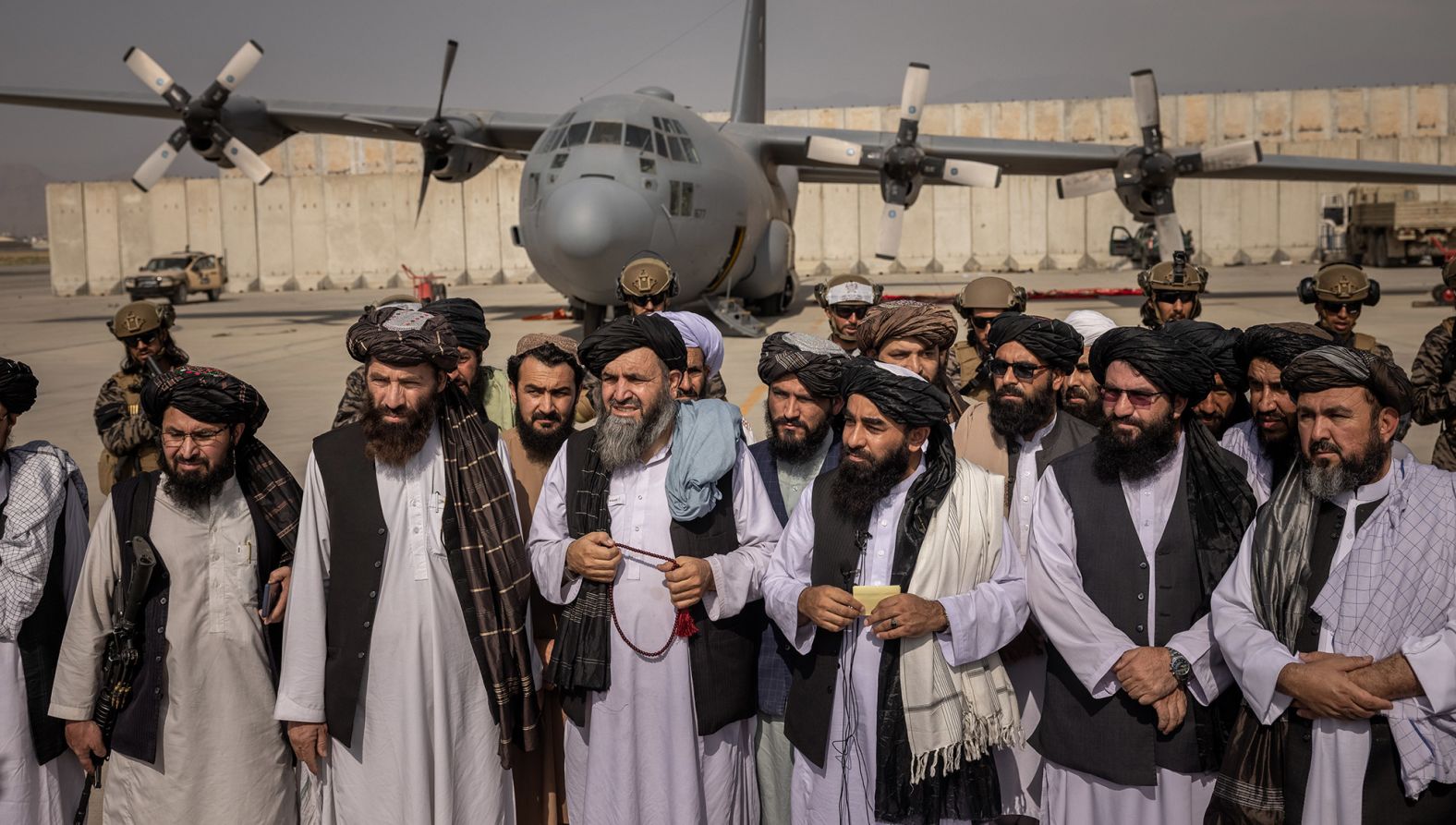
The Taliban’s return to power initially promised stability after two decades of war, but their strict interpretation of Islamic law—particularly the banning of girls from secondary education, restrictions on women’s movement, and the closure of media outlets—has alienated significant portions of the population. Meanwhile, the economic freefall has left 90% of Afghans unable to afford basic food needs, with inflation exceeding 40% in some regions. This desperation is now manifesting in violence that bears little resemblance to the insurgency of the past.
Security analysts and aid workers report a surge in localized conflicts over resources, with Taliban factions, former government supporters, and criminal networks competing for control of dwindling economic opportunities. In Kabul alone, armed clashes between Taliban subgroups have increased by 60% since 2022, often triggered by disputes over smuggling routes, opium trade, or access to aid convoys. Meanwhile, the Taliban’s own internal divisions—particularly between the hardline Haqqani network and more pragmatic factions—have led to public executions and purges within their ranks, further destabilizing the country.
International donors, who once provided 75% of Afghanistan’s budget, have drastically cut funding, leaving the Taliban with few options to address the crisis. The UN Security Council’s decision in December 2023 to extend the mandate of UNAMA (the UN Assistance Mission in Afghanistan) without a full diplomatic reengagement reflects the global community’s reluctance to legitimize the Taliban while also acknowledging the urgent need for humanitarian access. Yet, with winter temperatures dropping below -20°C in some regions and 14 million people facing acute food insecurity, the risk of mass displacement and further violence looms large.
Why Socioeconomic Collapse Is Driving Violence
The link between economic despair and violence in Afghanistan is not new, but its intensity today is unprecedented. A 2023 report by the Armed Conflict Location & Event Data Project (ACLED) found that 68% of recorded violent incidents in Afghanistan last year were tied to economic grievances—ranging from disputes over land and water rights to clashes between unemployed youth and security forces. “The Taliban’s governance failures have created a perfect storm,” says Anthony Cordesman, a security expert at the Center for Strategic and International Studies (CSIS). “When people can’t feed their families, they turn to whatever means necessary—whether that’s joining criminal networks, migrating illegally, or taking up arms.”
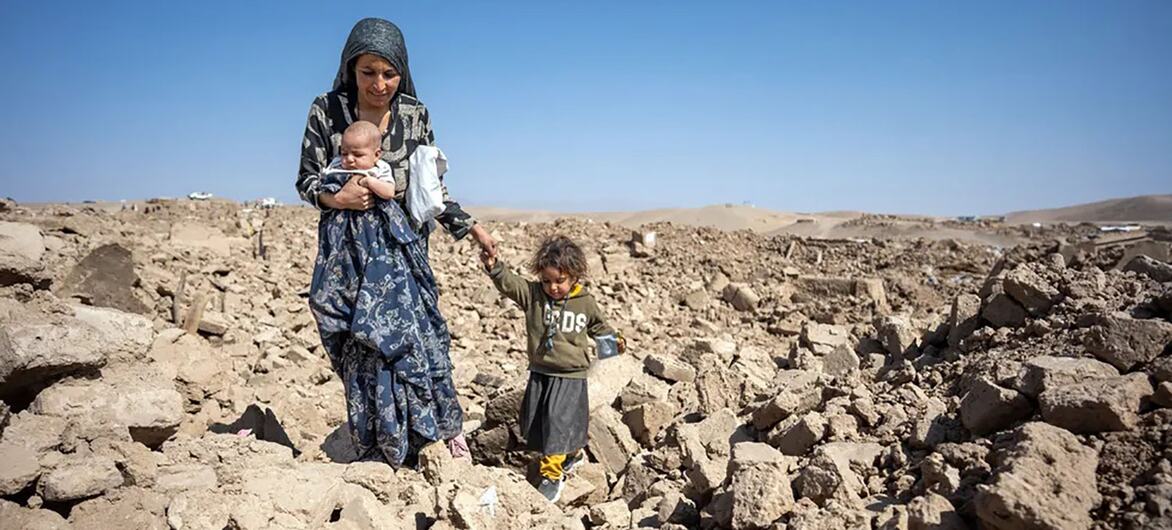
Drought has exacerbated the crisis. Afghanistan has experienced its worst drought in 30 years, with crop failures affecting 1.5 million farmers. In provinces like Badghis and Ghor, where 80% of the population relies on agriculture, families have resorted to selling their livestock for as little as $50—a fraction of their pre-2021 value. This has led to a surge in inter-village disputes and banditry, with reports of armed groups targeting aid workers and merchants along key trade routes.
The Taliban’s own policies have worsened the situation. While they have allowed some economic activity—particularly in mining and opium production—their restrictions on women’s participation in the workforce have reduced the labor force by an estimated 30%. Women made up nearly 22% of Afghanistan’s workforce before 2021; today, that figure has dropped to less than 5%, according to the World Bank. The loss of female breadwinners has deepened poverty, particularly in urban areas where women were traditionally the primary earners in sectors like education and healthcare.
Who Is Affected—and How?
The violence and economic collapse are hitting different groups in distinct ways:
- Urban Youth: With 70% of young Afghans unemployed, many are turning to extremist networks or criminal gangs. A 2023 USIP report found that recruitment by the Islamic State’s affiliate in Afghanistan (ISIS-K) has surged among disaffected youth, particularly in Kabul and Kandahar.
- Rural Farmers: In drought-stricken regions, families are selling their children into forced labor or marrying them off early to reduce household expenses. The Human Rights Watch documented a 40% increase in child marriages since 2021, often as a survival strategy.
- Women and Girls: Beyond education bans, women are increasingly targeted in Taliban-enforced morality raids. The UNFPA reported in 2023 that domestic violence cases rose by 65% in 2022, as economic stress and Taliban restrictions create a “perfect storm” for abuse.
- Humanitarian Workers: Aid agencies operate under extreme constraints. The Taliban have blocked or delayed visas for foreign staff, and local workers face harassment. In 2023, 12 aid workers were killed in targeted attacks, with many more forced to flee the country.
What Happens Next?
The Taliban’s ability to maintain control hinges on whether they can address the economic crisis—or if the population’s desperation will further erode their legitimacy. Analysts point to three potential scenarios:

- Continued Factional Infighting: With the Taliban’s own ranks divided, internal power struggles could escalate. The Haqqani network, which controls key border crossings and opium routes, has clashed with the Taliban’s political leadership in Kabul over revenue sharing. If these disputes turn violent, they could destabilize the entire regime.
- Mass Migration: Afghanistan’s neighbors are already straining under the weight of refugees. Iran and Pakistan have reported a 30% increase in illegal border crossings since 2022, with many Afghans risking smugglers’ routes to reach Europe. The EU’s 2024 migration strategy warns that a full-scale exodus could trigger a regional crisis.
- Humanitarian Collapse: With winter approaching, the UN warns that 14 million Afghans could face famine if aid is not delivered. The Taliban have banned women from working for NGOs, further restricting aid distribution. If food shortages lead to mass starvation, the Taliban may face unprecedented public backlash.
The next critical checkpoint is the UN Security Council’s March 2024 meeting on Afghanistan, where members will decide whether to extend UNAMA’s mandate beyond 2025. The outcome will determine whether the international community engages more deeply with Kabul—or risks abandoning Afghanistan to further chaos.
What do you think? As Afghanistan’s crisis deepens, should the international community prioritize humanitarian aid over political engagement with the Taliban? Share your perspective in the comments below.
For the latest updates on Afghanistan’s humanitarian situation, visit the UN OCHA Afghanistan page or follow @UN_Afghanistan on X.
Key Takeaways
- Afghanistan’s violence is now primarily driven by economic collapse, not insurgency, with 68% of clashes tied to resource disputes.
- 97% of Afghans live below the poverty line, and 19 million need urgent aid, according to the UN.
- Drought and Taliban policies have reduced Afghanistan’s workforce by 30%, deepening poverty.
- Urban youth, rural farmers, women, and aid workers are the hardest-hit groups.
- The next UN Security Council meeting in March 2024 will determine whether humanitarian aid or political engagement takes priority.
Related reading