
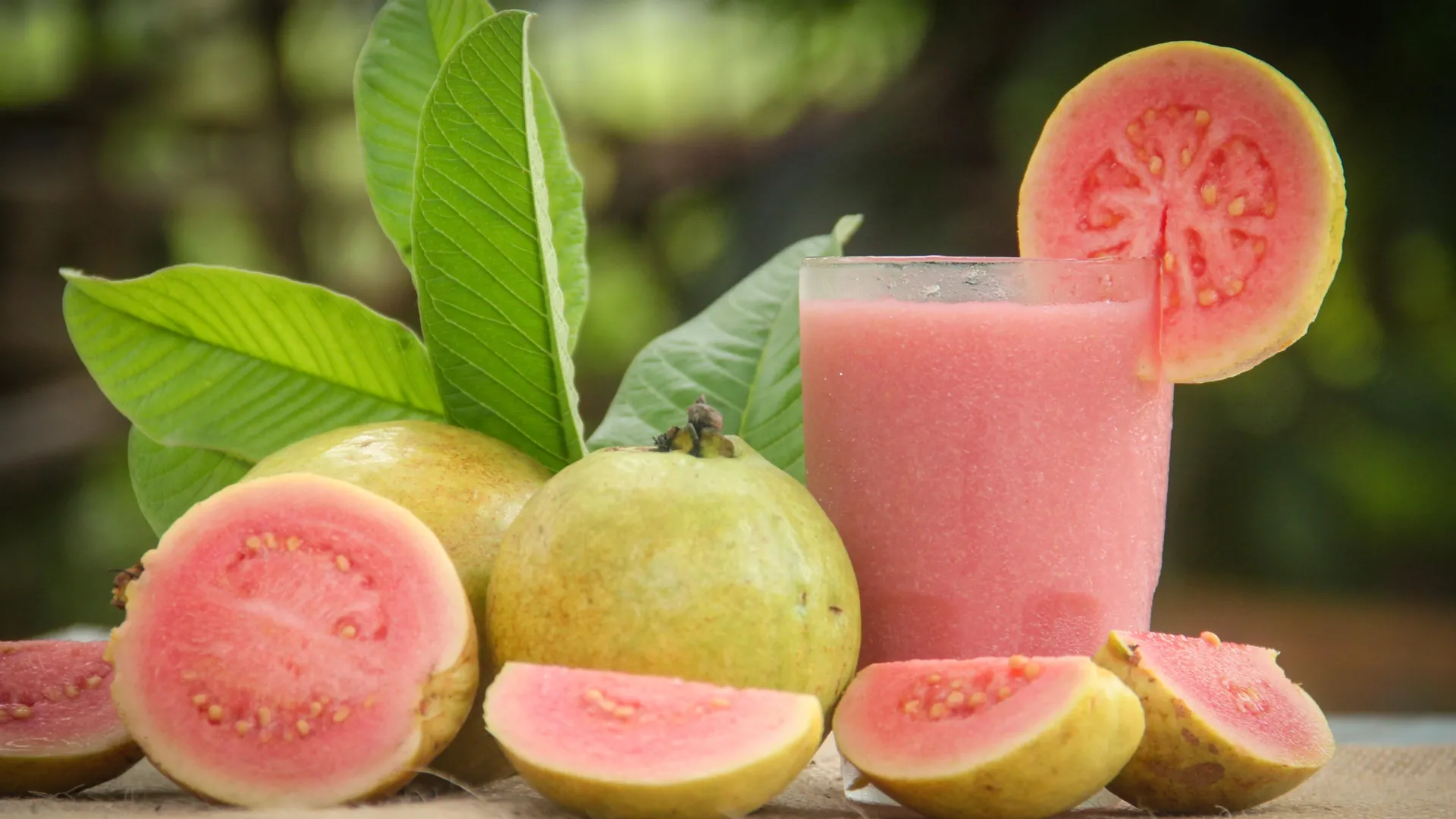
Drinking guava juice may significantly increase the effectiveness of iron supplements in treating anemia, according to a systematic review of 17 studies. The research indicates that women and teenage girls who consume guava juice alongside iron supplements experience a more pronounced increase in hemoglobin levels compared to those who do not use the fruit juice as an aid.
This finding centers on the high concentration of ascorbic acid, or vitamin C, found in guavas. Vitamin C is a known enhancer of non-heme iron absorption, the type of iron found in plant-based foods and many common supplements. Because guavas contain substantially more vitamin C than oranges, researchers suggest the juice could serve as an affordable, scalable nutritional tool in regions where iron-deficiency anemia is most prevalent.
Iron deficiency anemia occurs when the body lacks sufficient iron to produce hemoglobin, the protein in red blood cells that carries oxygen to tissues. According to the World Health Organization, anemia affects a significant portion of the global population, particularly women of reproductive age and adolescent girls, leading to fatigue, impaired cognitive function, and reduced physical productivity.
How does guava juice improve iron absorption?
The primary mechanism is the interaction between ascorbic acid and non-heme iron. Non-heme iron is chemically less soluble and harder for the body to absorb than heme iron (found in meat). Ascorbic acid prevents the formation of insoluble iron compounds and reduces ferric iron to the more absorbable ferrous form in the stomach.

Guavas are particularly potent for this purpose because of their nutrient density. While orange juice is the traditional recommendation for increasing iron uptake, nutritional data shows guavas often provide a higher concentration of vitamin C per serving. This increased dosage of ascorbic acid creates a more favorable environment for the intestinal mucosa to transport iron into the bloodstream.
For those taking oral iron supplements, the timing of juice consumption is critical. Health guidelines generally suggest taking iron with a source of vitamin C and avoiding inhibitors—such as tannins in tea or calcium in dairy—which can block absorption.
Who benefits most from this nutritional intervention?
The reviewed data specifically highlights two high-risk demographics: teenage girls and women. These groups are more susceptible to iron deficiency due to menstrual blood loss and the increased nutritional demands of growth and pregnancy.
In regions where expensive supplements or fortified foods are unavailable, guava juice offers a low-cost alternative. Because guavas grow in many tropical and subtropical climates, the fruit is often more accessible than imported supplements. The systematic review suggests that integrating this local resource into public health strategies could accelerate the recovery of hemoglobin levels in anemic populations.
Medical professionals note that while guava juice aids absorption, it is not a replacement for medical diagnosis. Anemia can stem from various causes, including chronic disease or genetic disorders like thalassemia, which require different treatment protocols than simple iron supplementation.
Comparing guava juice to other vitamin C sources
While many citrus fruits provide the necessary ascorbic acid to aid iron uptake, the concentration varies. The research emphasizes that the superior vitamin C content in guavas makes them more efficient “boosters” for hemoglobin production.
The impact on hemoglobin is measured by the amount of oxygen-carrying protein in the blood. In the 17 studies analyzed, the combination of iron supplements and guava juice led to a more rapid and significant rise in these levels than iron supplements alone. This suggests a synergistic effect where the juice doesn’t just provide a vitamin, but actively optimizes the pharmacological performance of the supplement.
For a detailed understanding of how iron deficiency affects the body, the National Library of Medicine provides comprehensive guides on symptoms and dietary management.
Practical steps for using guava juice with supplements
To maximize the benefits of this interaction, health experts generally recommend the following practices:

- Concurrent Consumption: Drink the juice at the same time the iron supplement is ingested to ensure the ascorbic acid is present during the absorption window.
- Freshness: Use fresh or minimally processed guava juice, as vitamin C can degrade when exposed to heat or prolonged storage.
- Avoid Inhibitors: Do not consume coffee, tea, or milk within two hours of taking the supplement, as these can counteract the benefits provided by the guava juice.
Patients should consult a healthcare provider before starting high-dose iron supplements, as excessive iron (hemochromatosis) can be toxic to the liver and heart.
Further clinical trials are expected to refine the exact dosage of guava juice required to achieve peak absorption across different age groups and ethnicities. Updated dietary guidelines from global health bodies typically follow the publication of large-scale systematic reviews of this nature.
Do you have experience using dietary aids to manage anemia? Share your thoughts or questions in the comments below.