
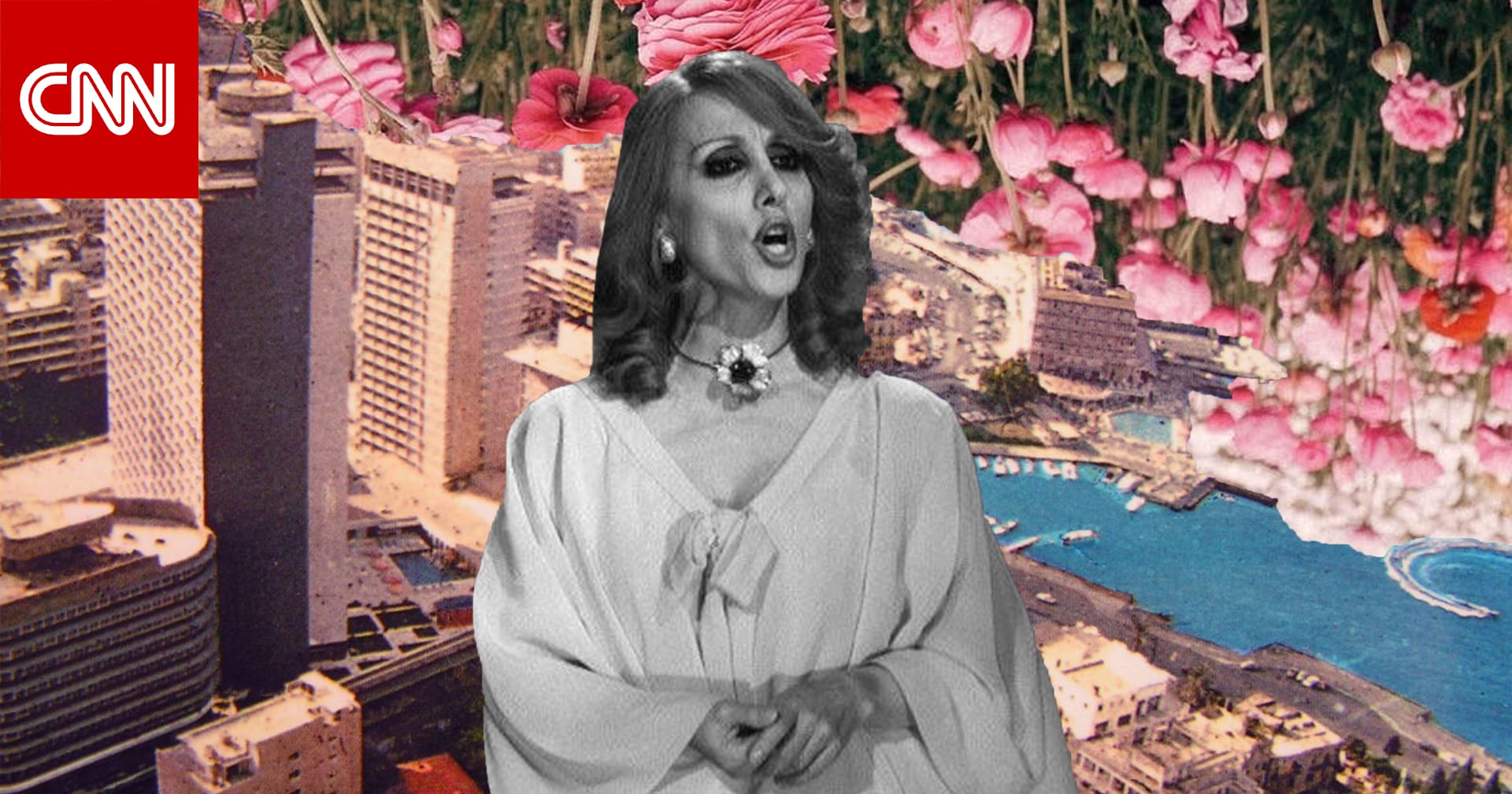
Lebanon’s cultural identity is increasingly being preserved through digital archives that catalog the nation’s fading physical landmarks, from vintage automobiles to the architectural legacy of Beirut’s historic neighborhoods. As the country grapples with economic instability and the physical decay of its urban centers, digital preservationists and local historians are working to ensure that the sights and sounds of the 20th century remain accessible to future generations.
This movement, which bridges the gap between physical heritage and virtual accessibility, focuses on documenting the aesthetic and sonic markers of Lebanese history. Projects are currently underway to digitize everything from the iconic tailfins of 1960s vehicles—once a common fixture on Beirut streets—to the discography of legendary singer Fairuz, whose voice remains a cornerstone of the nation’s collective memory. According to researchers at the American University of Beirut (AUB) Archives and Special Collections, the effort is essential to counter the “rapid erasure” of physical history caused by urban development and regional conflict.
The Role of Vintage Aesthetics in Digital Memory
The fascination with vintage Lebanese automobiles—often referred to as “the golden era” cars—serves as a visual anchor for these digital projects. Many of these vehicles, which populate the streets of cities like Tripoli and Beirut, are being photographed and cataloged by independent archivists. These archives do more than preserve the image of a car; they document the social history of the families and neighborhoods that owned them. The Beirut Heritage Initiative, for instance, has highlighted how these physical objects represent a period of relative prosperity and architectural diversity that is now under threat.

Digital archiving has become a critical tool for resilience. By moving these artifacts into an online space, organizers ensure that even if the physical object is lost to neglect, fire, or urban renewal, the data remains. This shift is part of a broader trend in the Middle East where cultural heritage is increasingly viewed through the lens of digital sovereignty.
Fairuz and the Sonic Landscape of Lebanon
Beyond visual artifacts, the preservation of sound is central to the project of maintaining Lebanese identity. Fairuz, whose musical career spans over six decades, is widely regarded as the most recognizable voice in modern Lebanese culture. Her songs are frequently integrated into digital archives, serving as the soundtrack to the visual history of the region. Experts in intangible cultural heritage note that the preservation of such music is vital, as it carries the emotional and linguistic nuances of a generation that is steadily passing away.
Digitization efforts involve not just high-resolution photography, but also the restoration of rare audio recordings and film reels. These materials are often sourced from private family collections, which are donated to institutions for professional cleaning and cataloging. This crowdsourced approach to history ensures that the archive reflects the lived experience of the people rather than just the official narrative of the state.
Challenges to Digital Preservation
Despite the enthusiasm for these projects, archivists face significant logistical hurdles. The primary issue is the lack of centralized funding for cultural preservation in Lebanon. Most projects are supported by non-governmental organizations or academic institutions that rely on international grants. Furthermore, the technical requirements for maintaining long-term digital servers in an environment with unstable electricity and internet infrastructure present a constant challenge to the sustainability of these archives.
The World Bank has previously noted that the preservation of cultural assets is a key component of long-term economic recovery, as these assets bolster the tourism and creative sectors. However, without a cohesive national strategy, the responsibility remains largely with grassroots organizations and individual volunteers who dedicate their time to scanning, recording, and uploading the remnants of the past.
What Happens Next for Lebanese Digital Archives
As the digital landscape evolves, the next phase for these projects involves the integration of Artificial Intelligence to assist in identifying unlabeled photographs and transcribing oral histories. These tools are expected to accelerate the processing of thousands of uncatalogued items currently held in storage. For those interested in the progress of these digital preservation efforts, official updates are typically published through university research portals and heritage websites.

The preservation of Lebanon’s memory is an ongoing process, one that relies on the participation of the public. Historians encourage families to contribute their personal documents, photographs, and audio recordings to established archives to ensure they are protected for future study. Readers are encouraged to share their thoughts on the importance of digital history or to reach out if they have information regarding local archival events.