
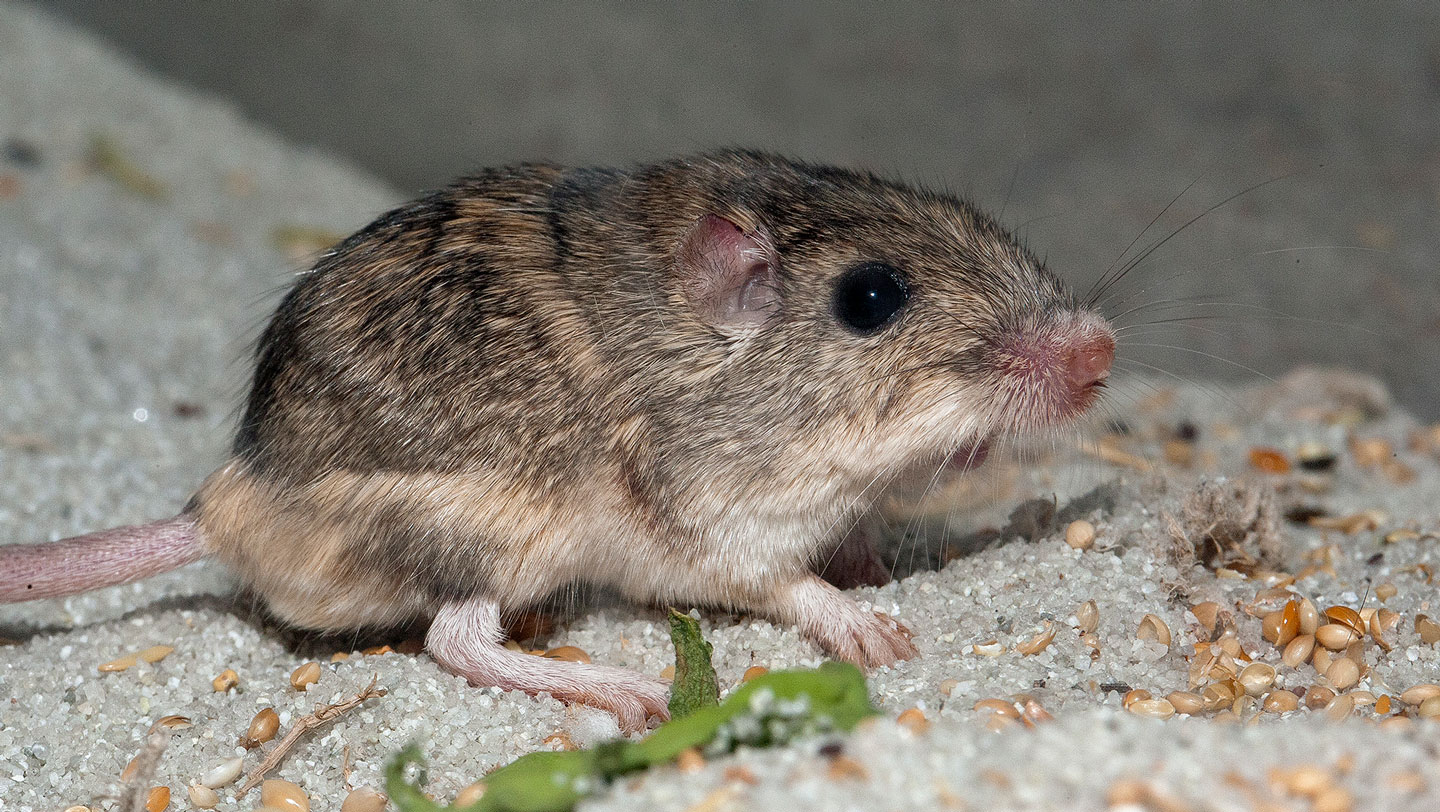
In the coastal dunes of Southern California, a tiny rodent no larger than a thumb is facing an uncertain future. The Pacific pocket mouse (Perognathus longimembris pacificus), once thought extinct, clings to survival in just a handful of isolated populations. As climate change alters temperature patterns and vegetation zones, scientists are asking whether this endangered subspecies can adapt quickly enough—or if it will need human help to survive.
Listed as endangered under the U.S. Endangered Species Act since 1994, the Pacific pocket mouse was rediscovered in 1993 after decades of no sightings. Today, it survives in only four known locations: three populations at Marine Corps Base Camp Pendleton and one at the Dana Point Headlands conservation area. These isolated pockets of habitat make the species particularly vulnerable to local disturbances, from wildfires to coastal development.
Recent genetic research offers a glimmer of hope. A 2024 study published in Conservation Genetics found that despite their geographic isolation, Pacific pocket mice retain surprisingly high levels of genetic diversity—potentially giving them the raw material needed to adapt to changing environmental conditions. This finding challenges earlier assumptions that small, fragmented populations inevitably lose genetic variability over time.
The study, led by researchers at San Diego State University and the U.S. Geological Survey, analyzed DNA samples from mice across all known populations. They found that genetic diversity levels were comparable to those of less-isolated rodent species, suggesting that either the populations were recently connected or that the mice have maintained gene flow through occasional dispersal events.
“We were surprised to see how much genetic variation remains,” said Dr. Lisa Malone, a wildlife geneticist at San Diego State University and co-author of the study. “It means the species may have a better chance to adapt to climate shifts than we previously thought—if we can protect their habitat and reduce other threats.”
Climate change poses multiple risks to the Pacific pocket mouse. Rising temperatures could alter the timing of plant growth, affecting the availability of seeds—the mouse’s primary food source. Increased frequency of droughts may reduce vegetation cover, leaving mice more exposed to predators. Sea-level rise threatens low-lying coastal habitats, particularly at Dana Point, where the mouse lives just meters above the high tide line.
Yet the mouse also shows signs of resilience. It is nocturnal, foraging during cooler nighttime hours, and can enter a state of torpor during extreme heat or food scarcity—traits that may help it buffer against short-term climate fluctuations. Its ability to breed rapidly when conditions are favorable could also support population recovery if threats are managed.
Conservation efforts are already underway. At Camp Pendleton, the U.S. Marine Corps works with the U.S. Fish and Wildlife Service to monitor populations and protect habitat from training activities. At Dana Point, the Laguna Canyon Foundation manages the headlands reserve, removing invasive plants and restoring native vegetation that supports the mouse’s food web.
One innovative approach being explored is assisted gene flow—carefully moving individuals between populations to increase genetic exchange. While this strategy carries risks, such as introducing disease or disrupting local adaptations, proponents argue it may be necessary if natural dispersal remains blocked by urban development and highways.
“We’re not talking about creating designer mice,” explained Dr. Malone. “It’s about giving nature a helping hand by reconnecting what fragmentation has broken apart—using the genetic tools already present in the species.”
Public awareness remains limited. Unlike more charismatic endangered species, the Pacific pocket mouse rarely makes headlines. Yet its survival is tied to the health of California’s coastal ecosystems—a system that supports biodiversity, filters runoff, and provides recreation for millions.
As climate pressures mount, the fate of this small mouse may serve as a test case for how conservation biology adapts to a warming world. Whether through habitat protection, genetic management, or broader climate action, the Pacific pocket mouse’s survival will depend on choices made not just in laboratories or wildlife refuges, but in policy rooms and city planning offices far beyond the dunes where it scurries unseen.
The next official species status review by the U.S. Fish and Wildlife Service is scheduled for 2025, which will assess whether current conservation efforts are sufficient or if additional protections are needed. For updates on the Pacific pocket mouse and other endangered species, the public can consult the U.S. Fish and Wildlife Service’s Environmental Conservation Online System.
If you’ve learned something new about this overlooked survivor of the California coast, consider sharing this article to help raise awareness. Comments and questions are welcome below.