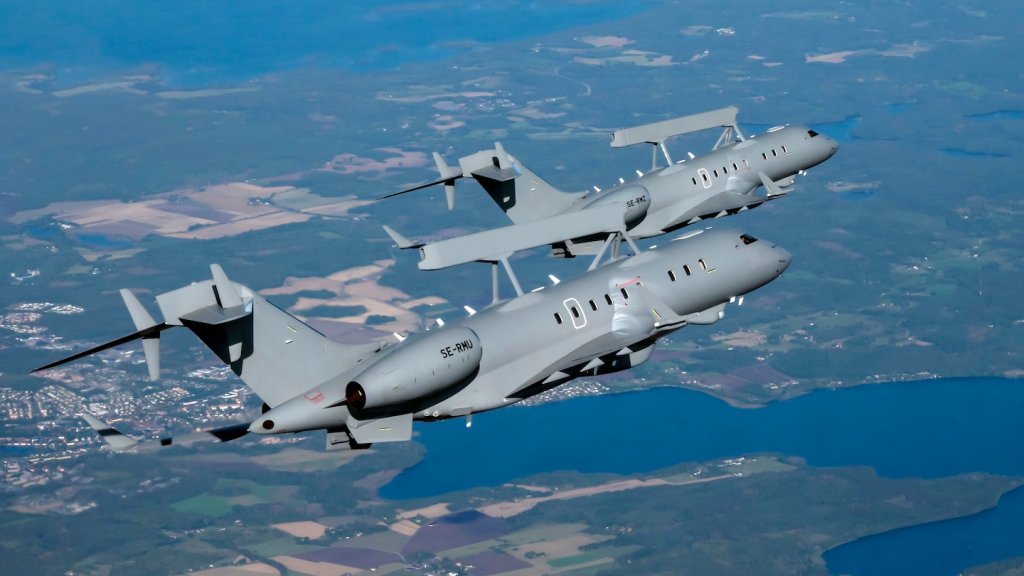
The Canadian government has officially moved to modernize its airborne surveillance capabilities by prioritizing a Swedish-made platform, a decision that marks a notable departure from traditional reliance on American military suppliers. The shift, confirmed through recent procurement updates from the Department of National Defence, highlights a strategic pivot in how Ottawa approaches its long-term defense infrastructure requirements.
This procurement decision, involving the acquisition of advanced surveillance aircraft, centers on the selection of technology from the Swedish aerospace company Saab. By choosing European-manufactured surveillance planes over competing models from the United States, Canada is signaling a diversification of its defense supply chain. The move is part of a broader, multi-year effort to replace aging assets with modern, interoperable systems capable of monitoring northern territories and maritime borders.
For a detailed overview of the government’s current procurement strategy, interested readers may consult the Department of National Defence procurement portal, which provides official documentation regarding the modernization of the Royal Canadian Air Force’s surveillance fleet.
Strategic Rationale for the Saab Acquisition
The decision to favor the Swedish-produced aircraft is rooted in specific technical requirements and the operational needs of the Canadian Armed Forces. Defense analysts suggest that the Saab platform offers specialized sensor suites and mission systems that align with the specific surveillance challenges posed by Canada’s vast Arctic geography. The integration of these systems is intended to enhance maritime domain awareness and search-and-rescue response times, which are critical components of Canada’s defense mandate.
By opting for European technology, the government is also navigating the complexities of international defense partnerships. While the United States remains Canada’s primary defense ally through the North American Aerospace Defense Command (NORAD), the procurement process for this particular fleet underscored a competitive evaluation where technical performance and specific mission capabilities were prioritized over established supplier relationships. This approach reflects a growing trend among NATO allies to seek “best-in-class” technology, regardless of the country of origin, to address emerging geopolitical threats.
Official updates regarding the status of the procurement process can be monitored via the Public Services and Procurement Canada website, which tracks major crown projects and defense contracts.
What So for North American Defense
The introduction of Swedish surveillance technology into the Canadian fleet will necessitate new training protocols and maintenance frameworks for Royal Canadian Air Force personnel. Because these systems differ from the legacy American platforms previously utilized, the transition period will involve significant investment in technical knowledge transfer. This is not merely a change of hardware; it represents a shift in operational doctrine as the military integrates non-traditional platforms into its existing network of sensors and data-sharing capabilities.
The implications for the broader North American defense landscape are significant. As Canada enhances its surveillance footprint, the ability to share data seamlessly with U.S. Counterparts will be a primary focus of the implementation phase. Ensuring that the Swedish-made sensors can “talk” to American command-and-control systems remains a critical technical hurdle, one that defense contractors are currently addressing through secure interoperability testing.
Key Takeaways for Stakeholders
- Diversification: Canada is expanding its defense procurement base beyond traditional American suppliers.
- Arctic Focus: The new fleet is specifically designed to address surveillance gaps in northern and maritime environments.
- Interoperability: Future efforts will prioritize the seamless integration of Swedish systems with existing NORAD and NATO networks.
- Technical Transition: The military is preparing for a multi-year transition involving personnel training and new maintenance infrastructure.
Looking Ahead: Implementation and Delivery
As the project moves from the selection phase to the contract finalization and delivery stages, the government faces the challenge of managing supply chain logistics and integration timelines. While the selection has been made, the full operationalization of the fleet is a multi-stage process that will span the coming years. The Department of National Defence is expected to release further details on the delivery schedule and associated budgetary expenditures as contract negotiations conclude.

The next major checkpoint for this project will be the official signing of the procurement contract and the subsequent announcement of the delivery timeline for the initial batch of aircraft. We will continue to track these developments as they emerge from official government channels. Readers are encouraged to share their thoughts on the implications of this procurement shift in the comments section below.
Worth a look