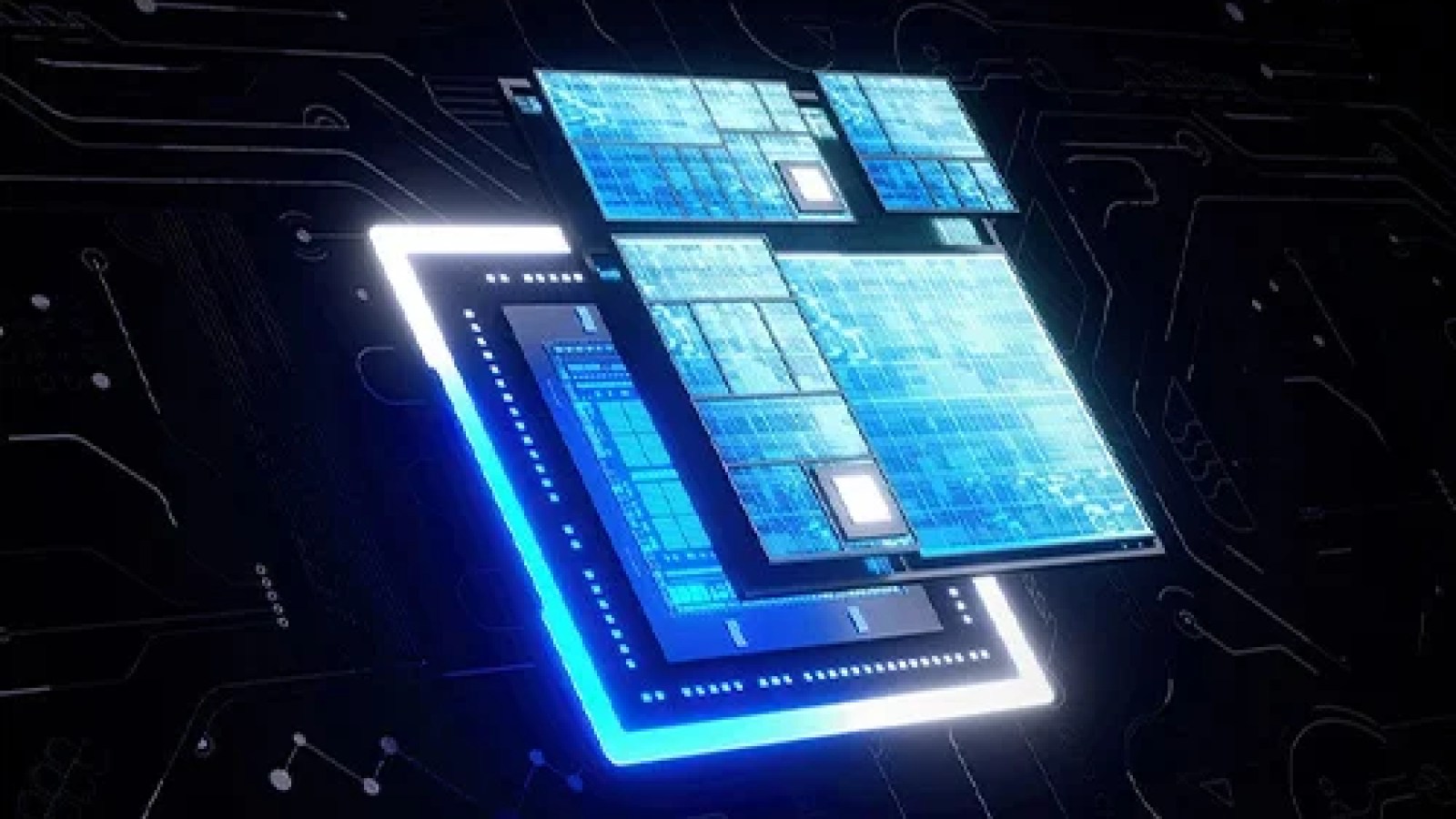
The divide between flagship and mid-range smartphones is rapidly narrowing, not through raw processing speed or camera megapixels, but through the intelligence living inside the silicon. For years, high-level generative AI was a luxury reserved for the most expensive devices, tethered to massive cloud servers. However, a significant shift is underway as MediaTek prepares to bring sophisticated, on-device artificial intelligence to a much broader audience.
Recent industry developments suggest that the upcoming MediaTek Dimensity 8550 is positioned to be a cornerstone of this democratization. By integrating Google’s Gemini Nano V3, MediaTek is signaling a move to bring advanced, on-device large language models (LLMs) to the mid-range market, effectively bringing the “AI phone” era to consumers who aren’t ready to shell out for a premium flagship.
This strategic pivot comes at a critical time for the Taiwanese semiconductor giant. As the industry moves toward “Edge AI”—where data is processed locally on the device rather than in the cloud—the ability to run complex models like Gemini Nano efficiently is becoming the new benchmark for mobile performance. For the average consumer, Which means faster, more private, and more reliable AI features that work even without a stable internet connection.
Bridging the Gap with Gemini Nano V3
The integration of Google’s Gemini Nano V3 into the Dimensity 8550 represents a significant technical milestone. Gemini Nano is specifically designed by Google to be a lightweight, highly efficient LLM capable of running locally on mobile hardware. The “V3” iteration is expected to offer enhanced reasoning, better conversational fluidity, and more sophisticated multimodal capabilities compared to its predecessors.
However, running a large language model on a mid-range chipset is no small feat. It requires a delicate balance of computational power, memory bandwidth, and thermal management. To facilitate this, the Dimensity 8550 is reportedly utilizing a specialized LLM Booster technology. This optimization layer is designed to streamline how the chipset handles the specific mathematical workloads required by generative AI, ensuring that features like real-time text summarization, smart replies, and generative image editing do not cripple the device’s overall responsiveness.
The “strict condition” often discussed in relation to this integration refers to the rigorous hardware requirements Google mandates for its Gemini models. To ensure a seamless user experience, MediaTek must ensure that the Dimensity 8550’s Neural Processing Unit (NPU) and memory architecture meet specific performance thresholds. This isn’t just about raw speed; This proves about the efficiency of the data pipeline from the storage to the NPU, ensuring that the AI doesn’t drain the battery or cause excessive overheating during intensive tasks.
The Technical Engine: NPUs and the Rise of Edge AI
At the heart of this evolution is the Neural Processing Unit (NPU). While the Central Processing Unit (CPU) handles general tasks and the Graphics Processing Unit (GPU) manages visual rendering, the NPU is a specialized circuit designed specifically for the matrix multiplication and high-speed calculations that drive machine learning. MediaTek has been heavily investing in its NPU capabilities to compete in this new landscape, focusing on “Edge AI” to transform how devices interact with their environments.
The transition to on-device AI offers three primary advantages for the global smartphone user:
- Privacy and Security: Because the processing happens locally on the Dimensity 8550, sensitive user data—such as personal messages, emails, and photos used for AI context—never needs to leave the device. This significantly reduces the attack surface for data breaches.
- Reduced Latency: Cloud-based AI is subject to the “round-trip” delay of sending data to a server and waiting for a response. On-device AI provides near-instantaneous feedback, which is crucial for real-time applications like live translation or predictive text.
- Offline Functionality: Users can access intelligent features in remote areas or during flights where connectivity is intermittent, making the smartphone a more reliable tool in all circumstances.
As MediaTek continues to refine its Dimensity series, the focus on NPU-driven performance is clearly intended to challenge the dominance of premium-tier chipsets. By optimizing the silicon for specific AI workloads, MediaTek is enabling a new class of “AI-first” mid-range devices that can perform tasks previously thought impossible outside of the flagship ecosystem.
MediaTek’s Strategic Market Position
This push into AI-integrated mid-range hardware is a logical extension of MediaTek’s massive global footprint. The company has established itself as a powerhouse in the semiconductor industry, providing the foundational technology for a vast array of consumer electronics. As of 2024, MediaTek reported impressive financial strength, with revenue reaching NT$530.59 billion, demonstrating its ability to scale and maintain high-volume production across diverse market segments.
The company’s ability to integrate Google’s software ecosystem directly into its hardware roadmap is a key competitive advantage. While competitors often focus on peak performance for enthusiasts, MediaTek’s strength lies in its ability to deliver high-value, highly optimized solutions for the mass market. This approach is reflected in its recent focus on generative AI, where the goal is to make these transformative technologies accessible to the widest possible user base.

The financial markets have also taken note of MediaTek’s trajectory. As of late May 2026, the company’s stock (TPE: 2454) has shown significant growth, reflecting investor confidence in its long-term strategy to lead in the AI-driven era of mobile computing. This stability provides the R&D capital necessary to continue pushing the boundaries of what a mid-range chipset can achieve.
| Feature Category | Traditional Mid-Range | AI-Enhanced (Dimensity 8550) |
|---|---|---|
| AI Processing | Cloud-dependent / Basic NPU | On-device (Gemini Nano V3) |
| Response Time | Variable (Latency-prone) | Near-instantaneous |
| Data Privacy | Data sent to external servers | Local processing (High privacy) |
| Connectivity | Requires active internet | Works offline |
| Core AI Tech | Standard CPU/GPU tasks | LLM Booster & Dedicated NPU |
What This Means for the Consumer
For the average person looking for a new smartphone, the arrival of chips like the Dimensity 8550 means that the “intelligence gap” is closing. You won’t necessarily need to spend $1,200 to get a phone that can summarize a long article, draft a professional email based on a few notes, or edit a photo with generative precision. These features will become standard expectations in the $400 to $600 price bracket.
However, consumers should remain mindful of the trade-offs. While on-device AI is a massive leap forward, it still places heavy demands on hardware. The quality of the AI experience will depend heavily on how individual smartphone manufacturers implement the MediaTek chipset—specifically regarding how they manage battery life and thermal throttling. A phone might have the capability to run Gemini Nano, but if the manufacturer hasn’t optimized the cooling or the battery management, the AI features might be limited to short bursts of use.
as AI becomes more integrated into the core operating system, the importance of software-hardware synergy will only grow. We are entering an era where the “best” phone is no longer just about the most powerful processor, but about how well the software instructions are translated through the NPU to provide a seamless, intelligent experience.
Key Takeaways
- Democratization of AI: MediaTek is bringing flagship-level generative AI to mid-range devices via the Dimensity 8550.
- Google Integration: The chipset is designed to support Google’s Gemini Nano V3, enabling sophisticated on-device LLM tasks.
- On-Device Advantages: Users will benefit from increased privacy, lower latency, and offline AI functionality.
- Technical Innovation: The use of an “LLM Booster” and specialized NPUs is critical to making mobile AI viable without excessive power drain.
- Market Impact: This move positions MediaTek to capture a massive segment of the global smartphone market that seeks intelligence without flagship prices.
As the industry prepares for the next wave of mobile innovation, all eyes are on the upcoming Computex 2026, held in Taipei from June 2–5. This event is expected to serve as a major platform for MediaTek to provide further technical details and official announcements regarding their AI-driven roadmap and the specific rollout of the Dimensity 8550 in consumer devices.
What do you think about the shift toward on-device AI? Will you prioritize AI capabilities when choosing your next mid-range smartphone? Let us know in the comments below and share this article with your tech-savvy friends!
Keep reading